
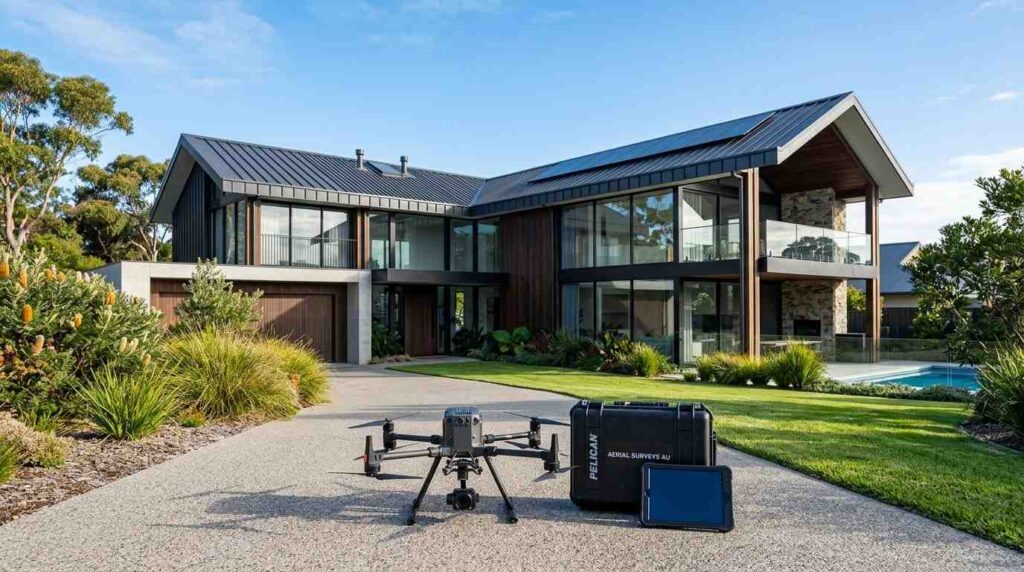
Modern Australian home with a premium roof and professional inspection equipment, illustrating a comprehensive roof condition and structural integrity assessment.
A professional roof inspection is a systematic evaluation of your roof’s condition, materials, structural integrity, and drainage systems , designed to identify existing damage, hidden vulnerabilities, and maintenance needs before they become costly failures. Your roof is your home’s first line of defense against Austin’s heat, hail, and severe weather. Without a professional assessment, damage that starts small can escalate into structural failure, interior water intrusion, and insurance complications that cost far more than the inspection itself. This guide covers everything homeowners need to know: what a roof inspection is and who performs one, the different types of inspections available, what inspectors evaluate, what the process looks like, how much it costs in Austin, when to schedule one, and what to do with your findings once the report is in hand.

What Is a Roof Inspection?

A roof inspection is a professional assessment of a roof’s condition, materials, structure, and drainage systems to identify existing damage, potential vulnerabilities, and maintenance needs. It is not the same as a general home inspection. A general home inspector evaluates dozens of systems throughout a property and typically spends only a few minutes on the roof. A dedicated roof inspection is performed by a licensed roofing contractor or certified roof inspector who focuses exclusively on the roof system , examining every component in detail, from the surface shingles down to the decking and into the attic. The purpose of a roof inspection is threefold: to document the current condition of the roof, to identify any damage or deterioration that requires attention, and to give the homeowner a clear picture of the roof’s remaining service life. This information is valuable whether you are maintaining a home you plan to stay in, preparing to sell, recovering from a storm, or evaluating a property before purchase.

Who Performs a Roof Inspection?

Roof inspections are performed by licensed roofing contractors, certified roof inspectors, and , in insurance contexts , insurance adjusters. Licensed roofing contractors bring hands-on installation and repair experience that allows them to identify failure patterns that a general inspector might miss. Certified inspectors credentialed through organizations like the National Roofing Contractors Association (NRCA) or through manufacturer programs such as GAF’s Master Elite certification have completed specialized training in roof system evaluation. Insurance adjusters perform inspections specifically to assess storm damage for claims purposes. Their evaluation is focused on covered perils rather than overall roof health, which is why homeowners often benefit from having an independent roofing contractor present during an adjuster’s visit. For a deeper look at what roof inspections cover, how they differ from general home inspections, and what qualifies a professional to perform one, our complete roof inspection overview <!–NEW PAGE NEEDED–> walks through every dimension of this foundational assessment.

Types of Roof Inspections

Not all roof inspections use the same method. The type of inspection performed depends on the roof’s age, the nature of suspected damage, the property’s accessibility, and the level of diagnostic detail required.

Visual Inspection

A visual inspection is the most common type. The inspector examines the roof from the ground using binoculars, from the roof surface itself, or from a ladder at the eave line. This method identifies obvious surface damage , missing or damaged shingles, visible sagging, granule accumulation in gutters, and deteriorated flashing. Visual inspections are appropriate for routine maintenance checks and initial damage assessments after minor weather events.

Physical (Hands-On) Inspection

A physical inspection involves the inspector accessing the roof surface directly and manually testing materials for softness, delamination, and structural weakness. This method goes beyond what is visible from a distance and is the standard for pre-purchase evaluations, insurance claim support, and assessments of roofs with suspected underlayment or decking issues.

Infrared / Thermal Inspection

Infrared inspections use thermal imaging cameras to detect moisture trapped beneath the roof surface , moisture that is invisible to the naked eye but that causes decking rot, mold growth, and insulation failure over time. This method is particularly valuable for flat or low-slope roofs, for roofs with a history of leaks, and for post-storm assessments where hidden water intrusion is suspected. Infrared inspections are typically more expensive than visual or physical inspections but provide a level of diagnostic detail that no other method can match. Each inspection method serves a different diagnostic purpose depending on roof age, damage type, and property conditions , our guide to types of roof inspections <!–NEW PAGE NEEDED–> explains when each method is appropriate, what it reveals, and how Austin homeowners can determine which assessment their roof actually needs.

What Does a Roof Inspector Look For?

A professional roof inspection covers four primary evaluation areas: the surface materials, the water management systems, the structural components, and the interior indicators visible from the attic. Each area reveals a different dimension of roof health, and findings in one area often point to problems in another.

Shingles and Surface Materials

The inspector examines shingles for granule loss, curling, cracking, blistering, and missing sections. Granule loss , visible as bare patches on shingles or heavy granule accumulation in gutters , indicates UV degradation and signals that the shingle’s protective layer is failing. Curling at the edges or corners suggests moisture damage or improper installation. Cracking and blistering are signs of thermal stress and age-related material breakdown. The inspector also notes the shingle type, approximate age, and any areas where previous repairs have been made.

Flashing, Gutters, and Drainage

Flashing , the metal strips that seal transitions between the roof surface and vertical structures like chimneys, skylights, and walls , is one of the most common sources of roof leaks. Inspectors check flashing for separation, corrosion, improper sealing, and gaps that allow water infiltration. Gutters and downspouts are evaluated for proper attachment, slope, blockage, and signs of overflow that could cause fascia rot or foundation moisture issues. Ponding water on flat or low-slope sections is also documented, as standing water accelerates membrane deterioration.

Decking, Underlayment, and Structural Integrity

Where accessible, inspectors evaluate the roof decking , the plywood or OSB substrate beneath the shingles , for soft spots, rot, and delamination. Underlayment condition is assessed where visible at edges or penetrations. The inspector examines the ridge line, rafters, and overall roof plane for sagging, unevenness, or structural deflection that indicates load-bearing concerns. According to the Insurance Information Institute, water damage and freezing account for nearly 24% of all homeowner insurance claims , much of which originates from roof system failures that a professional inspection could have identified earlier.

Attic and Interior Indicators

The attic provides critical evidence of roof system performance. Inspectors look for daylight penetrating through the decking, moisture staining on rafters and sheathing, mold or mildew growth, inadequate ventilation, and insulation that has been compromised by water intrusion. Proper attic ventilation is essential to roof longevity , inadequate airflow causes heat and moisture buildup that accelerates shingle degradation from the inside out. Understanding what inspectors evaluate at each area of your roof helps you interpret findings and prioritize repairs , our detailed breakdown of what roof inspectors assess during an evaluation <!–NEW PAGE NEEDED–> covers every inspection point, common defect patterns, and what each finding means for your roof’s remaining service life.

The Roof Inspection Process: What to Expect

A professional roof inspection follows a consistent process that typically takes between one and three hours depending on roof size, complexity, and access conditions. Knowing what to expect at each stage helps homeowners prepare and ensures the inspection captures everything it should.

Before the Inspector Arrives

Clear access to the attic before the inspector arrives , move stored items away from the hatch and ensure the space is accessible. Walk through your home and note any interior signs of concern: water stains on ceilings, damp spots on walls near the roofline, or areas where you have noticed drafts or temperature irregularities. These observations give the inspector valuable starting points. If you have previous inspection reports, repair invoices, or insurance claim documentation, have those available as well.

During the Inspection

The inspector will examine the exterior of the roof , typically beginning at the ground level for an initial visual assessment, then accessing the roof surface for a hands-on evaluation. They will work systematically across the roof plane, examining each component area. Expect the inspector to photograph findings as they go; photo documentation is a standard part of any professional inspection. You are welcome to ask questions during the process , a qualified inspector will explain what they are observing and why it matters.

The Inspection Report

After the inspection, you will receive a written report documenting all findings. A professional inspection report includes a description of each area evaluated, photographs of identified issues, a severity classification for each finding (typically minor, moderate, or significant), and repair or replacement recommendations. The report should also note the estimated remaining service life of the roof based on current condition and material type. This document becomes your roadmap for next steps , and, when storm damage is involved, a critical piece of your insurance claim. Knowing exactly what happens at each stage of the inspection , and how to prepare your home beforehand , helps the process go smoothly and ensures nothing is missed; our step-by-step guide to the roof inspection process for Austin homeowners <!–NEW PAGE NEEDED–> covers every phase from scheduling through final report review.

How Much Does a Roof Inspection Cost in Austin, TX?

The cost of a professional roof inspection in Austin varies based on inspection type, roof size, pitch, and whether you are working with a roofing contractor or an independent certified inspector.

Free vs. Paid Inspections

Many licensed roofing contractors in Austin offer free inspections, particularly following storm events or as part of an initial consultation before a repair or replacement estimate. These inspections are performed by experienced professionals and are often thorough , but it is worth understanding that a contractor offering a free inspection has a business interest in the outcome. For situations where an objective, third-party assessment is important , such as a pre-purchase evaluation or a dispute with an insurance company , a paid inspection from an independent certified inspector is the better choice. Independent roof inspections in Austin typically range from $150 to $400 for a standard residential roof. Infrared or thermal inspections carry a higher cost, generally ranging from $400 to $600 or more depending on roof size and the equipment required.

Factors That Affect Inspection Cost

Several variables influence what you will pay for a roof inspection in Austin. Roof size is the most significant factor , larger roofs require more time and more thorough documentation. Roof pitch affects both the time required and the safety equipment needed for access. Inspection type matters significantly: a visual inspection costs less than a physical inspection, which costs less than an infrared assessment. The inspector’s credentials and experience level also affect pricing, with manufacturer-certified and NRCA-credentialed inspectors typically commanding higher fees that reflect their specialized training. Pricing varies significantly based on roof complexity, inspection method, and whether you are working with a roofing contractor or an independent inspector , our full breakdown of roof inspection costs in Austin, TX <!–NEW PAGE NEEDED–> covers current market rates, what is included at each price point, and how to evaluate whether a free inspection is genuinely in your interest.

When Should You Schedule a Roof Inspection?

Roof inspections are not only for emergencies. Knowing when to schedule one , and why timing matters , helps homeowners stay ahead of damage rather than reacting to it.

After a Storm or Severe Weather Event

Austin’s climate makes storm-related inspections particularly important. The city sits in one of the most hail-active regions in the United States, and severe hail events can cause significant shingle damage that is not visible from the ground. Wind-driven rain, falling debris, and temperature extremes compound the risk. After any storm that produces hail larger than one inch in diameter, sustained winds above 60 mph, or visible damage to surrounding properties, scheduling a professional inspection within 30 days is strongly advisable. Insurance policies often have time limits on storm damage claims, and delayed documentation can result in denied coverage.

Before Buying or Selling a Home

A roof inspection is a standard part of due diligence for any real estate transaction. Buyers benefit from knowing the roof’s current condition and remaining service life before closing , findings can support price negotiations or require the seller to address repairs. Sellers benefit from a pre-listing inspection that identifies issues they can resolve proactively, avoiding last-minute surprises that delay or derail a sale. In Austin’s competitive real estate market, a documented clean inspection report is a meaningful selling point.

Routine Annual or Biannual Inspections

For roofs older than 10 years, annual inspections are a sound investment. For newer roofs in good condition, a biannual schedule is generally sufficient. Routine inspections catch minor issues , small flashing gaps, early granule loss, isolated soft spots , before they develop into major repairs. The cost of a routine inspection is a fraction of what deferred maintenance typically costs when problems are finally discovered. Timing your inspection correctly , especially after Austin’s hail seasons or before a real estate transaction , can be the difference between catching a problem early and facing a costly emergency; our guide on when to schedule a roof inspection <!–NEW PAGE NEEDED–> covers every trigger scenario, recommended inspection intervals by roof age, and how Austin’s climate affects inspection urgency.

What Happens After a Roof Inspection?

The inspection report is not the end of the process , it is the beginning of a decision. Once you have your findings in hand, the path forward depends on what the inspector identified and how severe the issues are.

Minor Repairs vs. Major Repairs

Minor findings , a few missing shingles, minor flashing separation, isolated granule loss , are typically addressed with targeted repairs that cost a few hundred dollars and extend the roof’s service life without requiring a full replacement. Major findings , widespread shingle deterioration, significant flashing failures, decking damage, or structural concerns , require more extensive repair work and may signal that the roof is approaching the end of its useful life. The inspection report should clearly categorize findings by severity and provide repair recommendations for each.

Roof Replacement Considerations

When inspection findings indicate that a roof has reached or exceeded its expected service life, or when repair costs approach or exceed 30–40% of replacement cost, a full roof replacement becomes the more economical long-term choice. The inspector’s report should include an estimate of remaining service life based on material type and current condition. Asphalt shingle roofs in Austin typically last 20–30 years depending on material quality, installation standards, and maintenance history. Metal roofs and tile roofs carry longer lifespans but require their own specific inspection criteria.

Insurance Claims and Documentation

When storm damage is identified, the inspection report becomes the foundation of your insurance claim. A professional report with photo documentation, a written description of damage, and the inspector’s credentials gives your insurer the evidence needed to process the claim accurately. Without this documentation, claims are frequently underpaid or denied. If your insurer sends their own adjuster, having your inspection report available , and ideally having your roofing contractor present during the adjuster’s visit , ensures that all damage is properly identified and documented. Navigating the decision between repairing and replacing your roof , and understanding how to use your inspection report to support an insurance claim , requires a clear framework; our complete guide to next steps after a roof inspection <!–NEW PAGE NEEDED–> walks through every post-inspection scenario, repair vs. replacement decision criteria, and how to work with your insurer using documented findings.

Roof Inspection and Insurance: What Homeowners Need to Know

The connection between roof inspections and homeowner insurance is one of the most misunderstood aspects of roof ownership. Understanding how your insurer uses inspection findings , and what documentation you need , can be the difference between a successful claim and a denied one.

How Insurers Use Inspection Reports

Homeowner insurance policies generally cover sudden, accidental damage caused by covered perils , hail, wind, falling objects, and similar events. They do not cover damage resulting from deferred maintenance, normal wear and tear, or pre-existing conditions. When you file a claim, your insurer will send an adjuster to assess the damage. The adjuster’s role is to determine whether the damage is covered under your policy and to estimate the cost of repair or replacement. A professional inspection report from a licensed roofing contractor provides independent documentation of the damage , its nature, extent, and likely cause. This documentation supports your claim and gives you a basis for comparison if the adjuster’s assessment differs from your contractor’s findings. According to the National Association of Insurance Commissioners, homeowners who provide independent contractor documentation during the claims process are more likely to receive full claim settlements than those who rely solely on the insurer’s adjuster assessment.

Storm Damage Documentation

After a storm, time matters. Most homeowner insurance policies require that claims be filed within a specific window , often one year from the date of the storm event, though this varies by policy and state. In Texas, the statute of limitations for weather-related property damage claims is two years, but filing promptly with thorough documentation gives your claim the strongest possible foundation. Your inspection report should include the date of inspection, the inspector’s credentials, a description of each damaged area, photographs, and a written assessment of whether the damage is consistent with the reported storm event. The relationship between your inspection report and your insurance claim can determine whether damage is covered or denied , our detailed guide to roof inspection and insurance claims <!–NEW PAGE NEEDED–> explains how insurers evaluate inspection findings, what documentation strengthens your claim, and how to work with an adjuster after storm damage in Austin.

DIY Roof Check vs. Professional Roof Inspection

Many homeowners wonder whether they can assess their own roof rather than paying for a professional inspection. The honest answer is that homeowners can observe certain things safely from the ground , but a DIY check is not a substitute for a professional assessment.

What Homeowners Can Safely Assess

From the ground, using binoculars if needed, homeowners can observe obvious surface damage: missing or visibly damaged shingles, sagging areas along the ridge line or roof plane, granule accumulation in gutters after rain, and visible debris or damage to flashing around chimneys or skylights. These ground-level observations are useful for identifying obvious problems and for deciding whether to call a professional , but they represent only a fraction of what a thorough inspection covers.

Why Professional Inspections Are Non-Negotiable

The most consequential roof problems are often the least visible. Underlayment failures, decking rot, flashing separation at concealed transitions, attic moisture intrusion, and early-stage structural deflection are not detectable from the ground. Identifying these issues requires roof access, hands-on material testing, and , in some cases , thermal imaging equipment. Beyond diagnostic capability, there is a safety dimension: residential roofs are a leading cause of fall injuries among homeowners, and accessing a roof without proper equipment and training carries significant risk. A professional inspector carries liability insurance and uses appropriate safety equipment , a homeowner climbing their own roof does not. While a ground-level check gives homeowners a starting point, it cannot replace the diagnostic depth of a professional assessment , our comparison of DIY roof checks vs. professional roof inspections <!–NEW PAGE NEEDED–> outlines exactly what homeowners can safely evaluate themselves, where the limits of self-assessment begin, and why certain roof conditions require a trained inspector to identify.

Choosing a Qualified Roof Inspector in Austin, TX

Not all roof inspectors are equally qualified. In a market like Austin , where storm activity is frequent and roofing contractors range from highly credentialed to fly-by-night operations , knowing what to look for when selecting an inspector protects both your home and your investment.

Credentials and Certifications to Look For

Start with licensing. In Texas, roofing contractors are not required to hold a state-issued roofing license, but they are required to carry general liability insurance and workers’ compensation coverage. Verify that any contractor you hire can provide current certificates of insurance. Beyond basic licensing, look for manufacturer certifications , GAF’s Master Elite designation, Owens Corning’s Preferred Contractor status, or CertainTeed’s SELECT ShingleMaster program indicate that a contractor has met training and quality standards set by leading roofing manufacturers. NRCA membership and certification signals commitment to industry standards and ongoing professional development. Local reputation matters as well. Look for contractors with verifiable Austin-area references, a documented history of completed projects in your neighborhood, and a strong standing with the Better Business Bureau. A contractor who has been operating in Austin for multiple years has experience with the specific weather patterns, building codes, and material performance characteristics that affect roofs in this market.

Questions to Ask Before Hiring

Before scheduling an inspection, ask the contractor whether the inspection includes a written report with photographs. Ask what areas of the roof the inspection covers , a thorough inspection should include the exterior surface, all penetrations and transitions, gutters and drainage, and the attic. Ask whether the inspector carries errors and omissions insurance in addition to general liability. And ask for references from recent inspections in your area , a qualified contractor will provide them without hesitation. Tarrytown Roofing’s team of licensed, certified inspectors brings deep experience with Austin’s roofing conditions and storm damage patterns , our Austin roofing services [URL TBD] page outlines our inspection process, certifications, and what homeowners can expect when they schedule an assessment with our team.

Conclusion

A professional roof inspection gives homeowners the information they need to protect their property, manage maintenance costs, and navigate insurance claims with confidence. From understanding what inspectors evaluate and what the process involves, to knowing when to schedule and what to do with your findings, a thorough inspection is the foundation of sound roof ownership. The spoke resources linked throughout this guide go deeper into each dimension of the inspection process , from cost breakdowns and inspection types to post-inspection decisions and insurance documentation , giving you a complete resource for every stage of your roofing journey. When you are ready to schedule a professional roof assessment in Austin, Tarrytown Roofing is here to help , contact us today for a thorough, documented inspection that gives you a clear picture of your roof’s condition and a confident path forward.

Frequently Asked Questions

How long does a professional roof inspection take?

A professional roof inspection typically takes one to three hours for a standard residential property. Larger roofs, complex designs, or inspections that include attic access and infrared scanning may take longer.

What is included in a roof inspection report?

A professional inspection report includes a written description of each area evaluated, photographs of identified issues, a severity classification for each finding, repair or replacement recommendations, and an estimate of the roof’s remaining service life.

How often should a roof be professionally inspected?

Roofs older than 10 years should be inspected annually. Newer roofs in good condition can be inspected every two years. Any roof should be inspected after a significant storm event, regardless of its age or last inspection date.

Does a roof inspection affect my homeowner insurance?

A routine inspection does not directly affect your insurance premiums. However, an inspection report documenting storm damage is often required to support a successful insurance claim, and some insurers may require an inspection before renewing coverage on older roofs.

What is the difference between a roof inspection and a home inspection?

A home inspection covers all major systems of a property and typically spends only a few minutes on the roof. A dedicated roof inspection is performed by a roofing specialist who evaluates every component of the roof system in detail, including the attic, and delivers a written report specific to roof condition.

Can a roof inspection be done in the rain?

Most professional roof inspections are performed in dry conditions, as wet surfaces create safety hazards and can obscure certain types of damage. However, inspectors may perform ground-level assessments or attic evaluations during light rain when exterior access is not safe.

What should I do if my roof inspection reveals significant damage?

If your inspection report identifies significant damage, obtain written repair or replacement estimates from at least two licensed roofing contractors. If the damage is storm-related, file an insurance claim promptly using the inspection report as documentation. Prioritize repairs that affect structural integrity or water management before addressing cosmetic issues.

WHY WAIT! GET A FREE ESTIMATE & CONSULTATION