Exterior Siding Services: Complete Guide to Residential and Commercial Cladding

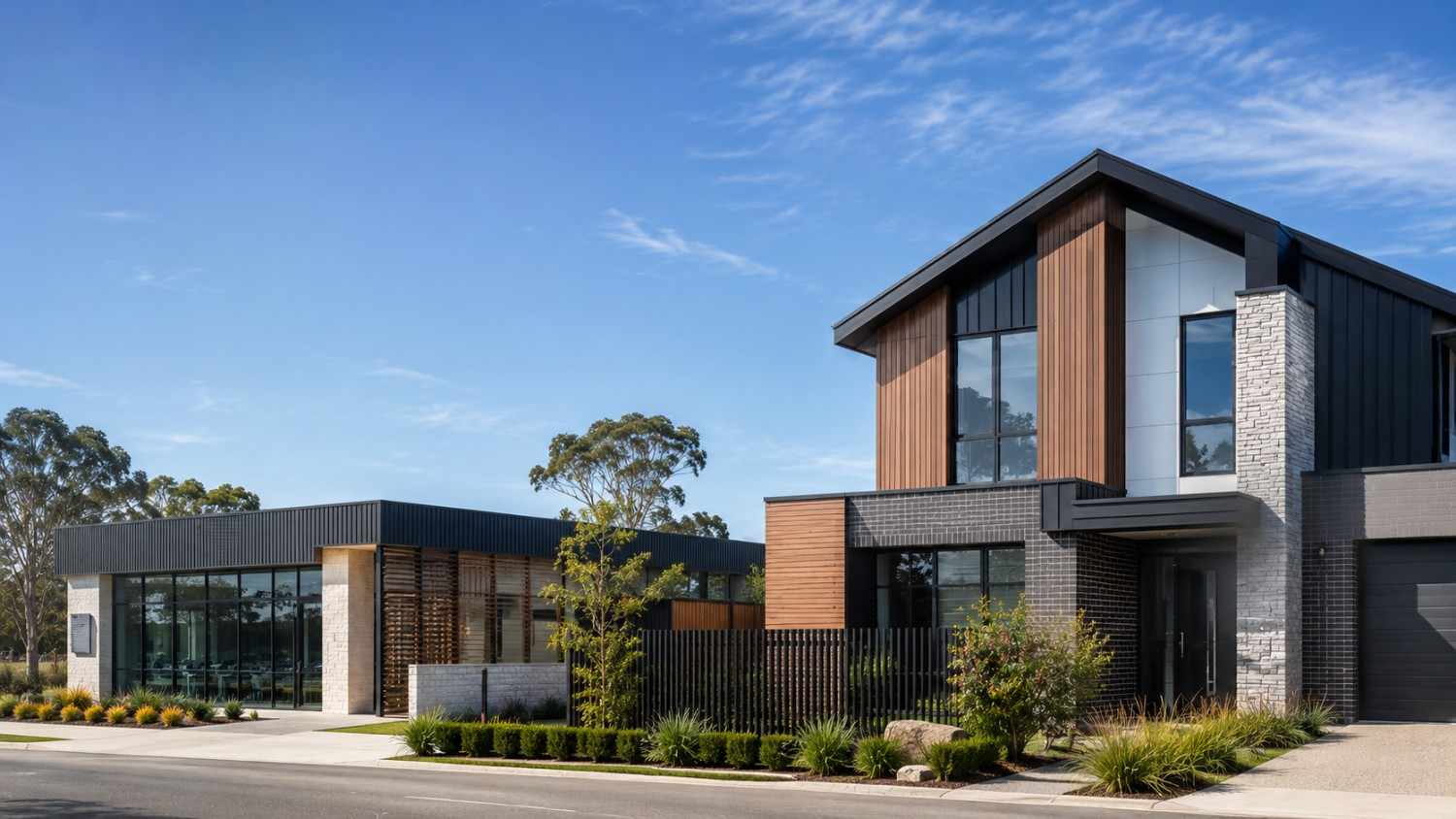
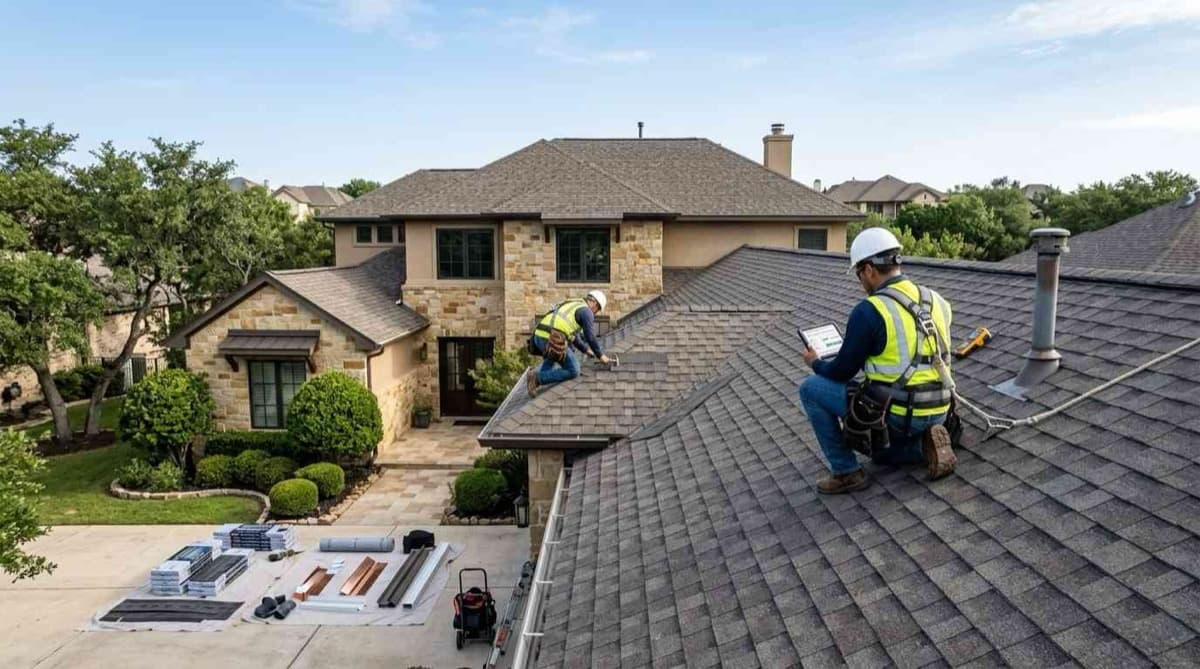
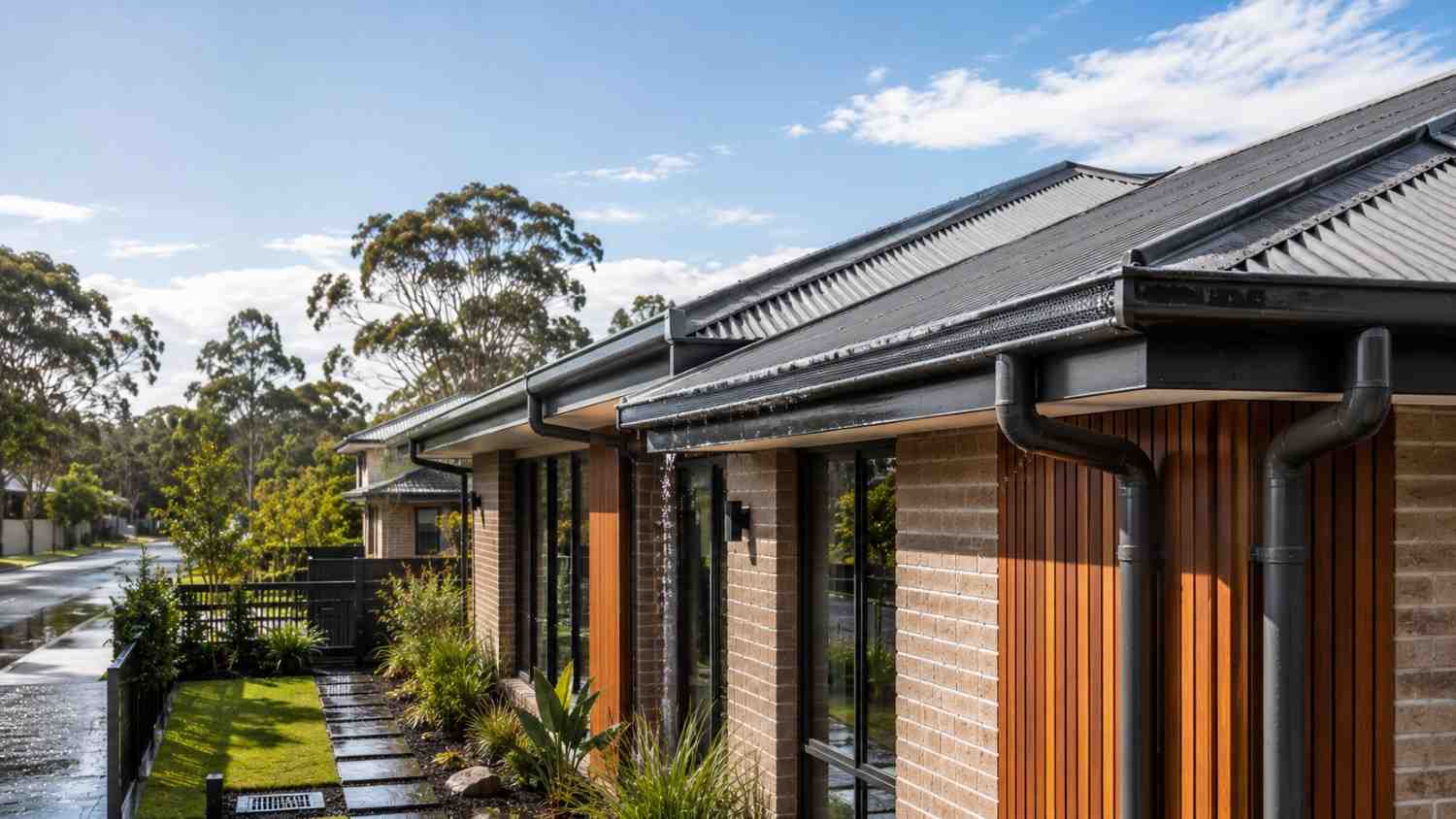
Modern Australian residential and commercial buildings featuring premium exterior cladding with timber, fibre cement, metal, and stone finishes showcasing professional siding installation.
Exterior siding is the outer protective layer applied to a building’s walls a system that shields your home or commercial property from weather, moisture, and temperature extremes while defining its visual character and long-term structural integrity. For Austin homeowners and property owners, choosing the right siding material, understanding installation costs, and working with a qualified contractor are decisions that directly affect property value, energy performance, and the durability of the building envelope for decades. Poor siding decisions wrong material for the climate, deferred maintenance, or an unqualified contractor cost Austin homeowners thousands in avoidable repairs and premature replacement. This guide covers every dimension of exterior siding: material types, Austin-area costs, the installation process, maintenance requirements, damage warning signs, commercial cladding, energy efficiency, and how to choose a contractor you can trust.

What Is Exterior Siding and Why Does It Matter?

Exterior siding is a building system the outermost layer of material applied to a structure’s exterior walls. It is not decorative trim or a cosmetic finish. It is a functional component of the building envelope, working alongside insulation, sheathing, and moisture barriers to protect the structure from the elements. In Austin’s climate, that protection is tested constantly. Intense summer heat, UV radiation, periodic hail storms, and seasonal humidity cycles put significant stress on exterior wall systems. Siding that is poorly chosen, improperly installed, or neglected deteriorates faster, allows moisture to penetrate the wall assembly, and drives up energy costs as the building envelope loses its thermal performance. For homeowners and property owners, siding is also one of the most visible investments in a property. It shapes curb appeal, affects resale value, and signals to buyers and neighbors whether a property is well-maintained. According to Remodeling Magazine’s Cost vs. Value Report, fiber cement siding replacement consistently ranks among the top home improvement projects for return on investment nationally, with average cost recoupment rates above 75%.

The Role of Cladding in Protecting Your Home or Building

Exterior cladding serves three core functions. First, it acts as a weather barrier deflecting rain, wind, and hail away from the structural wall assembly. Second, it manages moisture by directing water away from the sheathing and framing, preventing rot, mold, and structural damage. Third, it contributes to the building’s thermal performance by reducing heat transfer through the exterior walls, which is especially important in Austin where summer cooling loads are substantial. When all three functions are working correctly, siding extends the life of the structure beneath it. When any one fails through material degradation, installation defects, or deferred maintenance the consequences reach far deeper than the siding itself.

Types of Exterior Siding Materials

The siding material you choose determines your home’s durability, maintenance demands, energy performance, and long-term cost of ownership. No single material is right for every property the best choice depends on your budget, aesthetic preferences, neighborhood context, and the specific performance demands of Austin’s climate. The six most common exterior siding materials used in residential and commercial construction are vinyl, fiber cement, wood, metal, stucco, and stone veneer. Each has a distinct performance profile.

Vinyl Siding

Vinyl siding is manufactured from polyvinyl chloride (PVC) and is the most widely installed siding material in the United States. It is lightweight, available in a broad range of colors and profiles, and requires minimal maintenance no painting, no staining, and no sealing. In Austin, vinyl performs well in moderate conditions but can become brittle under extreme UV exposure and may warp or crack in severe hail events. It is typically the most affordable option per square foot, making it a practical choice for budget-conscious homeowners who prioritize low maintenance over maximum durability. Vinyl siding remains one of the most affordable and widely installed options in Austin our vinyl siding services in Austin  covers the full range of vinyl profiles, color options, and installation considerations for Central Texas homes.

Fiber Cement Siding

Fiber cement siding is composed of cement, sand, and cellulose fibers a combination that produces a material with exceptional resistance to moisture, fire, impact, and UV degradation. Products like James Hardie’s HardiePlank are engineered specifically for regional climate conditions, and the company’s ColorPlus Technology provides a factory-applied finish that resists fading significantly longer than field-painted alternatives. Fiber cement is heavier than vinyl and requires professional installation, but its durability and low long-term maintenance cost make it one of the most popular choices among Austin homeowners replacing aging siding systems.

Wood Siding

Wood siding including cedar, pine, and engineered wood products like LP SmartSide offers natural warmth and character that many homeowners prefer over manufactured alternatives. Traditional wood siding requires regular painting or staining and is more susceptible to moisture damage and insect activity than fiber cement or vinyl. Engineered wood products address many of these vulnerabilities through factory treatment and composite construction, offering improved dimensional stability and moisture resistance while retaining the appearance of natural wood. In Austin’s climate, wood siding requires diligent maintenance to perform well over the long term. Natural and engineered wood siding offer distinctive warmth and character that many Austin homeowners prefer our wood siding options for Austin homes explains the differences between cedar, pine, and engineered wood products, their maintenance requirements in Texas’s climate, and what installation typically involves.

Metal Siding

Metal siding including steel and aluminum panel systems offers one of the longest service lives of any cladding material, with properly coated steel siding lasting 40 to 70 years in residential applications. Metal is highly resistant to fire, impact, and moisture, and modern coating systems provide strong UV resistance. In Austin, metal siding is increasingly popular for both residential and commercial applications, particularly in contemporary architectural styles. It is typically more expensive than vinyl or wood but significantly less expensive than stone veneer over a full lifecycle cost analysis. Metal siding is gaining popularity among Austin homeowners and commercial property owners for its exceptional longevity and low maintenance profile our metal siding installation Austin covers steel and aluminum panel options, standing seam profiles, coating systems, and what makes metal cladding a strong long-term investment in Texas.

Stucco and EIFS

Traditional stucco is a cement-based plaster system applied in multiple coats over a wire lath substrate. It is common throughout Austin’s residential neighborhoods particularly in Spanish Colonial, Mediterranean, and contemporary architectural styles and provides excellent thermal mass that helps moderate interior temperatures. EIFS (Exterior Insulation and Finish Systems), sometimes called synthetic stucco, adds a layer of rigid foam insulation beneath the finish coat, improving the wall assembly’s thermal performance. Both systems require skilled installation and periodic inspection to prevent moisture intrusion at penetrations and transitions. Stucco and EIFS systems are common throughout Austin’s residential neighborhoods and offer excellent thermal mass properties suited to Texas’s climate our stucco siding installation in Austin explains the difference between traditional three-coat stucco and synthetic EIFS, common application methods, and the maintenance considerations specific to Central Texas conditions.

Stone Veneer and Composite Cladding

Stone veneer including manufactured stone and natural thin-cut stone provides the visual weight and permanence of full masonry at a fraction of the cost and structural load. It is commonly used as an accent material alongside primary siding systems rather than as a full-coverage cladding solution. Composite cladding products combine multiple materials to achieve specific performance characteristics such as the appearance of wood with the moisture resistance of fiber cement. Both categories are at the premium end of the residential siding market and are typically chosen for their aesthetic impact and long-term durability. Fiber cement siding is one of the most popular choices for Austin homeowners because of its resistance to heat, moisture, and impact our fiber cement siding installation guide covers everything from material grades and panel profiles to installation timelines and cost expectations for Central Texas properties.

Siding Material Comparison

Material Avg. Installed Cost/sq ft Typical Lifespan Maintenance Level Austin Climate Suitability
Vinyl $3–$8 20–40 years Low Moderate UV and hail vulnerability
Fiber Cement $6–$13 25–50 years Low–Medium Excellent engineered for regional climates
Wood / Engineered Wood $5–$12 20–30 years Medium–High Moderate requires diligent maintenance
Metal (Steel/Aluminum) $7–$15 40–70 years Low Excellent strong UV and impact resistance
Stucco / EIFS $6–$12 20–50 years Medium Good thermal mass benefit; moisture management critical
Stone Veneer $12–$25+ 50+ years Low Excellent highly durable in Texas conditions

How Much Does Exterior Siding Cost in Austin, TX?

Exterior siding in Austin typically costs between $5 and $25 per square foot installed, depending on the material chosen, the size and complexity of the home, and current local labor rates. For a 2,000-square-foot home with approximately 1,500 square feet of exterior wall surface, total project costs commonly range from $7,500 to $37,500 with vinyl projects at the lower end and fiber cement or stone veneer projects at the higher end. These are orientation-level benchmarks. Actual project costs vary considerably based on the specific factors described below.
Material Low Cost/sq ft High Cost/sq ft Avg. Total Project Cost (1,500 sq ft wall area)
Vinyl $3 $8 $4,500–$12,000
Fiber Cement $6 $13 $9,000–$19,500
Wood / Engineered Wood $5 $12 $7,500–$18,000
Metal $7 $15 $10,500–$22,500
Stucco / EIFS $6 $12 $9,000–$18,000
Stone Veneer $12 $25+ $18,000–$37,500+

Key Factors That Affect Siding Costs

Siding project costs are driven by more than just the material price per square foot. Five factors consistently have the greatest impact on total project cost in Austin: Home size and wall complexity. Larger homes require more material and more labor hours. Homes with multiple stories, complex rooflines, dormers, or significant trim work take longer to side and cost more per square foot than simple single-story structures. Old siding removal. If existing siding must be removed before new siding can be installed, disposal and labor costs add to the total. Some projects allow new siding to be installed over existing material but this approach has limitations and is not always appropriate. Wall preparation and repairs. Damaged sheathing, rotted framing, or deteriorated moisture barriers discovered during removal add material and labor costs that are difficult to predict before the project begins. Material grade and profile. Within each material category, product grades vary significantly in price. Premium fiber cement profiles, insulated vinyl, or custom metal panel systems cost more than standard entry-level products. Labor rates and project timing. Austin’s construction labor market is competitive. Labor rates fluctuate with demand, and projects scheduled during peak seasons may carry premium pricing. Because siding costs vary significantly based on material grade, home size, existing wall condition, and local labor rates, our complete siding cost guide for Austin homeowners breaks down pricing by material type, explains every cost factor in detail, and provides a project budgeting framework so you can plan your siding investment with confidence.

The Exterior Siding Installation Process

A professional siding installation follows a defined sequence of steps from initial assessment through final inspection. Understanding this process helps homeowners set realistic expectations for timeline, site conditions, and what the contractor will need from them during the project. Most residential siding projects in Austin take between 3 and 10 days from start to finish, depending on home size, material type, and whether old siding removal is required. Larger or more complex projects particularly those involving stucco or stone veneer may take longer.

What to Expect During a Siding Project

The project begins with a site assessment and material selection confirmation, followed by any required permit applications with the City of Austin. Once permits are in hand, the crew removes existing siding if required, inspects the sheathing and framing for damage, and installs or repairs the moisture barrier and house wrap. Siding panels are then installed from the bottom of the wall upward, with trim, corners, and window and door surrounds completed as the panels progress. The project concludes with a final inspection, cleanup, and a walkthrough with the homeowner to confirm the work meets specifications. Homeowners should expect some noise and limited access to exterior areas of the home during the project. A professional contractor will communicate the daily schedule, flag any unexpected conditions discovered during wall preparation, and provide a clear timeline for completion. For homeowners who want to understand exactly what happens from the first site visit to the final walkthrough, our siding installation process guide walks through every phase of a professional siding project including wall preparation, moisture barrier installation, panel sequencing, trim work, and the final inspection checklist used by Austin contractors.

Siding Maintenance and How Long Siding Lasts

Siding is a long-term investment, and like any building system, it performs best when it receives consistent attention. Regular maintenance extends siding life, preserves the warranty, and prevents minor issues a small crack, a loose panel, a failing caulk joint from becoming major structural problems that cost far more to repair. Austin’s climate creates specific maintenance demands. Intense UV exposure accelerates paint and coating degradation. Seasonal temperature swings cause expansion and contraction that stress joints and fasteners. Hail events can cause impact damage that is not always immediately visible. And the region’s periodic heavy rainfall tests every penetration, joint, and transition in the siding system.

Lifespan Expectations by Material

Material Avg. Lifespan Typical Warranty Range Primary Failure Mode
Vinyl 20–40 years 25–lifetime (limited) UV brittleness, impact cracking
Fiber Cement 25–50 years 30–50 years Paint failure, moisture at cut edges
Wood / Engineered Wood 20–30 years 5–50 years (varies) Rot, paint failure, insect damage
Metal 40–70 years 25–40 years Coating failure, corrosion at fasteners
Stucco / EIFS 20–50 years Varies by system Moisture intrusion at penetrations
Stone Veneer 50+ years Varies Mortar joint failure, moisture behind veneer
Protecting your siding investment over the long term requires a consistent maintenance routine tailored to your material type and Austin’s climate our siding maintenance guide for Austin homeowners covers annual inspection checklists, cleaning methods, painting schedules, and the warning signs that indicate your siding needs professional attention before minor issues become costly repairs.

Signs You Need Siding Repair or Replacement

Identifying siding problems early is one of the most cost-effective things a homeowner can do. Damage that is caught and addressed quickly a cracked panel, a failing caulk joint, a small area of moisture intrusion is typically inexpensive to repair. The same damage left unaddressed for a season or two can penetrate the wall assembly, damage sheathing and framing, and turn a minor repair into a major remediation project. Austin homeowners should watch for these warning signs:
  • Visible cracking, warping, or buckling panels indicates material failure, impact damage, or improper installation
  • Rotting or soft spots, particularly in wood siding; signals moisture has penetrated the wall assembly
  • Persistent mold or mildew growth, especially in the same location after cleaning; indicates moisture is trapped behind the siding
  • Faded, peeling, or chalking paint or finish, accelerated by Austin’s UV intensity; signals coating failure and reduced protection
  • Gaps at joints, corners, or around windows and doors, allows water and air infiltration
  • Rising energy bills without other explanation, may indicate the building envelope has been compromised
  • Hail damage, dents, cracks, or punctures that may not be immediately visible from the ground
  • Siding age beyond its expected lifespan, even well-maintained siding eventually reaches the end of its service life

Repair vs. Replacement: How to Decide

The decision between repairing and replacing siding comes down to three factors: the extent of the damage, the age of the existing siding, and the relative cost of each option. Localized damage to a small number of panels on siding that is otherwise in good condition and within its expected lifespan is typically a strong candidate for repair. Widespread damage, siding that has exceeded its expected lifespan, or situations where the underlying wall assembly has been compromised generally point toward full replacement as the more cost-effective long-term solution. Whether you are dealing with hail damage, moisture intrusion, or siding that has simply reached the end of its service life, our siding repair and replacement guide for Austin homeowners explains how professional contractors assess siding damage, when repair is the right call versus full replacement, and what the repair process looks like from inspection through completion.

Commercial Exterior Cladding in Austin, TX

Commercial cladding is a distinct category from residential siding different in scale, material specifications, performance requirements, and regulatory context. Property owners, developers, and building managers overseeing commercial or multi-family projects in Austin face a different set of decisions than homeowners replacing residential siding. Commercial buildings are subject to more stringent fire resistance, wind load, and energy code requirements than single-family residential structures. The materials used reflect these demands commercial cladding systems are engineered for durability at scale, low maintenance over long service cycles, and compliance with Austin’s commercial building codes.

Cladding Options for Commercial and Multi-Family Properties

Metal panel systems including steel and aluminum composite material (ACM) panels are among the most widely used commercial cladding materials. They offer high durability, design flexibility, and relatively low maintenance, and they are available in a broad range of profiles and finishes suited to contemporary commercial architecture. Fiber cement panels, larger-format versions of the residential fiber cement products are used extensively on multi-family residential and mixed-use commercial buildings. They provide excellent moisture and fire resistance and can be finished to mimic wood, stone, or smooth contemporary surfaces. Brick and stone veneer while more expensive than panel systems are common on institutional and retail commercial buildings where permanence and visual weight are priorities. They require minimal maintenance and carry long service lives. Glass curtain wall systems used primarily on larger commercial and office buildings are beyond the scope of standard siding contractor services but are part of the broader commercial building envelope category. Commercial cladding projects involve different material specifications, performance standards, and code requirements than residential siding our commercial exterior cladding services in Austin covers the full range of commercial panel systems, installation methods, and project management considerations for Austin property owners, developers, and building managers.

Siding and Energy Efficiency in Texas

Exterior siding is part of the building envelope the system of materials that separates conditioned interior space from the outdoor environment. How well that envelope performs thermally has a direct impact on heating and cooling costs, and in Austin, where summer cooling loads are among the highest in the country, even modest improvements in envelope performance translate to meaningful energy savings. Standard siding materials contribute minimally to wall assembly R-value on their own. But insulated siding products which incorporate a layer of rigid foam insulation bonded to the back of the siding panel add continuous insulation to the wall assembly without requiring changes to the framing or interior finish. This continuous insulation layer eliminates thermal bridging through wall studs, which is one of the primary sources of heat gain in standard wood-framed walls.

Insulated Siding and R-Value Basics

R-value is a measure of thermal resistance how effectively a material resists heat flow. Higher R-values indicate better insulating performance. Standard vinyl siding has an R-value near zero on its own. Insulated vinyl siding products typically add R-2 to R-5 of continuous insulation to the wall assembly, depending on the foam thickness. While this may seem modest, continuous insulation is more effective per R-value unit than cavity insulation because it covers the full wall surface without interruption at framing members. For Austin homeowners looking to reduce cooling costs and improve whole-home comfort, choosing the right insulated siding system can make a measurable difference our energy-efficient siding guide for Texas homes  explains how insulated siding works, which materials offer the best thermal performance in hot climates, and how to evaluate the long-term energy savings against the upfront cost of insulated cladding systems.

How to Choose the Right Siding Contractor in Austin

The quality of a siding installation depends as much on the contractor as it does on the material. Even the best fiber cement panels or premium vinyl profiles will underperform if they are improperly installed with inadequate moisture barriers, incorrect fastening patterns, or poorly sealed penetrations. Choosing a qualified, accountable siding contractor is one of the most important decisions in any siding project.

What to Look for in a Siding Company

Licensing and insurance. Any contractor performing siding work in Austin should hold a valid Texas contractor license and carry both general liability insurance and workers’ compensation coverage. Ask for certificates of insurance before signing any contract. Manufacturer certifications. Leading siding manufacturers  including James Hardie, LP Building Products, and others offer contractor certification programs that require training, installation quality standards, and ongoing performance accountability. Certified contractors can often offer enhanced warranty coverage that uncertified installers cannot. Verifiable local references. Ask for references from recent Austin-area projects and follow up on them. A contractor with a strong local track record will have no hesitation providing references. Written warranty on materials and labor. Understand what is covered, for how long, and what voids the warranty. A contractor who is unwilling to provide a written labor warranty is a significant red flag. Clear written estimate. A professional contractor provides a detailed written estimate that specifies materials, quantities, scope of work, timeline, and payment terms before any work begins. Verbal estimates and vague scopes of work create disputes. Local presence and accountability. A contractor with a physical local presence not just a phone number is more accountable for the quality of their work and easier to reach if issues arise after the project is complete. Red flags to avoid: contractors who demand large upfront cash payments, cannot provide proof of insurance, pressure you to sign immediately, or offer prices significantly below all other estimates without a clear explanation. Homeowners in Austin who want a contractor with deep local experience, manufacturer certifications, and a proven track record of residential and commercial siding projects can request a free siding estimate from Tarrytown Roofing a full-service exterior contractor serving the Austin area with transparent pricing and written project guarantees. Choosing the right siding contractor is one of the most important decisions in any siding project our guide to hiring a siding contractor in Austin  walks through every vetting step, from verifying licenses and insurance to evaluating written estimates, understanding warranty terms, and identifying the red flags that signal an unreliable contractor.

Conclusion

Exterior siding is a foundational building system one that protects structural integrity, manages moisture, contributes to energy performance, and defines a property’s visual character across decades of service. Understanding the material options, cost factors, installation process, and maintenance requirements gives Austin homeowners and property owners the foundation to make confident, well-informed decisions. The cluster resources linked throughout this guide go deeper into every dimension covered here from material-specific installation guides to cost breakdowns, maintenance protocols, and contractor selection frameworks tailored to Austin’s market. When you are ready to move from research to action, Tarrytown Roofing is here to help contact our team for a free siding estimate and straightforward guidance on the right material and approach for your property.

Frequently Asked Questions

What is the best siding material for Austin, TX homes?

Fiber cement siding is widely considered the best overall choice for Austin homes because of its resistance to heat, UV exposure, moisture, and hail. Vinyl is a strong budget-friendly alternative, while metal siding offers the longest service life for homeowners prioritizing durability above all else.

How long does exterior siding installation take in Austin?

Most residential siding projects in Austin take between 3 and 10 days from start to finish. Timeline depends on home size, material type, whether old siding removal is required, and the complexity of the wall surfaces being sided.

Does new siding increase home value?

Yes new siding consistently delivers strong return on investment. Remodeling Magazine’s Cost vs. Value Report shows fiber cement siding replacement recouping more than 75% of project cost at resale, while also improving curb appeal and buyer perception of overall property condition.

How do I know if my siding needs to be replaced rather than repaired?

Widespread damage, siding that has exceeded its expected lifespan, or situations where moisture has penetrated the wall assembly and damaged sheathing or framing typically indicate replacement is the more cost-effective solution. Localized damage on otherwise sound siding is usually a repair candidate.

What permits are required for siding installation in Austin?

Most exterior siding replacement projects in Austin require a building permit from the City of Austin Development Services Department. Your contractor should handle permit applications as part of the project scope always confirm this before signing a contract.

Can I install new siding over my existing siding?

In some cases, yes new siding can be installed over existing material if the existing siding is structurally sound, flat, and does not add excessive weight or thickness to the wall assembly. However, this approach is not always appropriate and should be evaluated by a qualified contractor who can inspect the existing wall condition.

How does Austin’s climate affect siding material choice?

Austin’s combination of intense UV radiation, extreme summer heat, periodic hail, and seasonal humidity cycles favors siding materials with strong UV resistance, impact resistance, and moisture management performance. Fiber cement, metal, and stucco are particularly well-suited to these conditions, while standard vinyl requires careful product selection to perform well in Austin’s climate extremes.

WHY WAIT! GET A FREE ESTIMATE & CONSULTATION