What Services Do Roofers Provide?

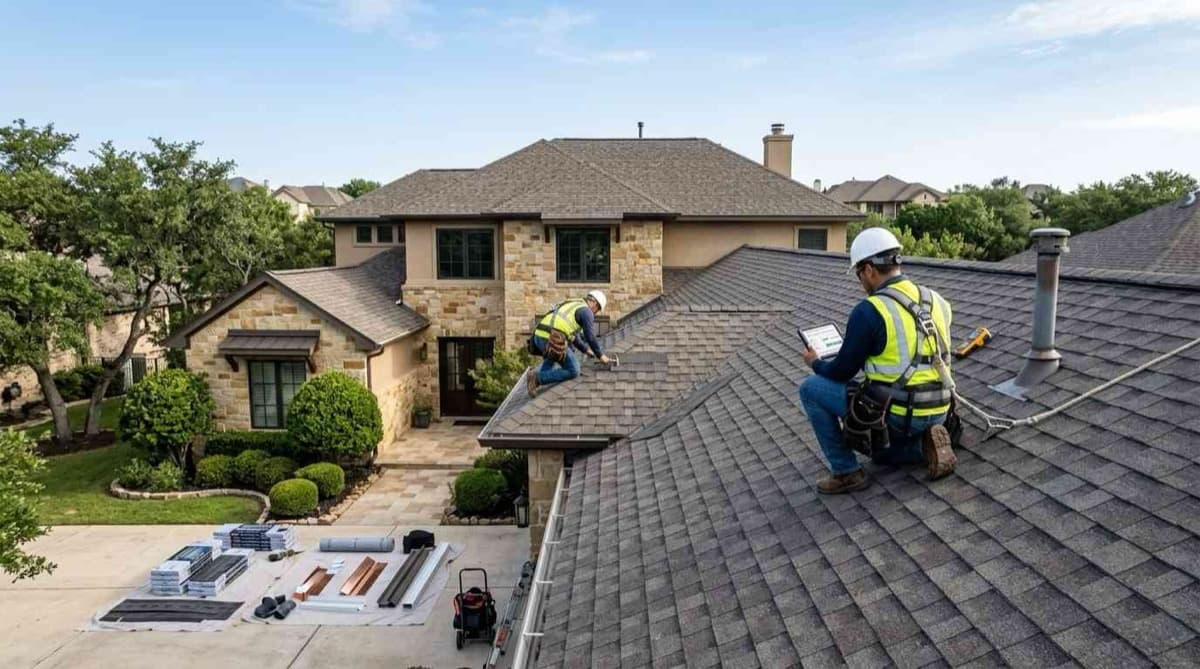
Professional roofing contractor inspecting and repairing a residential roof in Austin, illustrating the range of roofing services including inspections, repairs, maintenance, replacements, gutters, and storm damage restoration.Roofers provide far more than shingle replacement. A full-service roofing contractor handles everything from routine inspections and minor repairs to complete roof replacements, storm damage restoration, gutter services, ventilation work, and long-term maintenance  all designed to protect your home from the top down.

Understanding what roofing services exist helps you make smarter decisions about your property. Knowing the full scope means you never overpay for work you don’t need or skip something that quietly costs you thousands later.

We cover every major roofing service available to Austin homeowners, what each one involves, when you need it, and how to choose the right contractor for the job.

Roof Inspections

A roof inspection is the starting point for almost every roofing decision. Before a roofer recommends repairs, a replacement, or any other service, they need to know exactly what they’re working with.

Inspections are not just for obvious problems. They catch issues that aren’t visible from the ground  damaged flashing, deteriorating underlayment, early-stage leaks, and ventilation problems that quietly shorten a roof’s lifespan.

What a Roof Inspection Covers

A thorough roof inspection examines the shingles, flashing, gutters, fascia, soffit, ridge line, valleys, and any penetrations like vents, chimneys, and skylights. The roofer also checks the attic for signs of moisture intrusion, inadequate ventilation, and structural concerns.

Most inspections include a written report with photos. That documentation matters  it gives you a clear picture of your roof’s condition and serves as a baseline for future comparisons.

A professional inspection typically takes 45 minutes to two hours depending on roof size and complexity.

When to Schedule a Roof Inspection

Schedule an inspection once a year as a baseline. Beyond that, get one after any major storm, before buying or selling a home, and any time you notice water stains on ceilings, missing shingles, or granules collecting in your gutters.

Austin’s storm season runs from spring through early fall, and hail events are common. A post-storm inspection is one of the smartest investments a homeowner makes  it documents damage before it worsens and before insurance deadlines pass.

Don’t wait for a visible leak. By the time water shows up inside, the damage has usually been building for months.

Roof Repairs

Roof repair is the most common service roofers provide, and it covers a wide range of issues  from a single missing shingle to a failing flashing system around a chimney.

The goal of a repair is to fix a specific problem without replacing the entire roof. Done correctly and at the right time, repairs extend a roof’s life significantly and cost a fraction of full replacement.

Common Roof Repair Types

The most frequent repairs include replacing missing or cracked shingles, resealing or replacing flashing around chimneys, vents, and skylights, patching areas of damaged decking, and repairing soffit and fascia damage. Leak repairs are also common, though finding the true source of a leak often requires more investigation than homeowners expect  water travels before it drips.

Valley repairs, where two roof planes meet, are another frequent need. Valleys collect more water than any other part of the roof, and their protective materials wear faster as a result.

Emergency tarping after storm damage is also a repair service  it’s temporary protection that prevents further water intrusion while a permanent fix is scheduled.

Repair vs. Replacement  How to Know the Difference

The decision between repair and replacement comes down to three factors: the age of the roof, the extent of the damage, and the cost comparison. A roof under 15 years old with isolated damage is almost always a repair candidate. A roof over 20 years old with widespread issues is usually better served by full replacement.

The general rule of thumb: when repair costs exceed 30% of replacement cost, replacement becomes the smarter long-term investment. A roofer who gives you an honest assessment of both options  with numbers  is one worth trusting.

We always walk homeowners through both scenarios before recommending a direction.

Roof Replacement

A full roof replacement means removing the existing roofing system down to the decking, inspecting and repairing the decking as needed, and installing a completely new roofing system. It’s a significant investment, but it’s also the most comprehensive solution for a roof that has reached the end of its serviceable life.

In Austin, most asphalt shingle roofs last 20 to 30 years depending on material quality, installation, and maintenance history. Metal roofs and tile roofs last considerably longer.

Signs Your Roof Needs Full Replacement

The clearest signs include a roof age over 20 years, widespread granule loss visible in gutters and downspouts, multiple areas of sagging or soft decking, persistent leaks that repairs haven’t resolved, and significant storm damage affecting a large portion of the roof surface.

High energy bills are also a signal. A failing roof loses its insulating properties, and your HVAC system works harder to compensate. That cost shows up on your utility bill long before the roof visibly fails.

Curling, buckling, or cracking shingles across large sections of the roof are another clear indicator. Isolated curling is a repair. Widespread curling is a replacement conversation.

What the Replacement Process Looks Like

A standard residential roof replacement starts with a full tear-off of the existing roofing materials. The crew inspects the decking for rot, soft spots, or structural damage and replaces any compromised sections before anything else goes on.

Next comes the underlayment  a water-resistant barrier that protects the decking if any moisture gets past the outer layer. Then the new shingles, flashing, ridge cap, and any other components are installed. A quality replacement crew also installs proper drip edge and ensures all penetrations are sealed correctly.

Most residential replacements in Austin take one to three days depending on roof size and complexity.

Roof Installation for New Construction

New construction roofing is a distinct service from replacement. The process starts from bare framing rather than an existing structure, which means the roofer works closely with the general contractor and construction timeline.

Material selection happens early in the process, and it has long-term consequences for durability, energy efficiency, and maintenance requirements.

Roofing Materials Used in New Builds

Asphalt shingles remain the most common choice for residential new construction in Austin because of their cost-effectiveness, availability, and proven performance in Texas heat. Architectural shingles  a thicker, dimensional version of standard asphalt  are the most popular upgrade within that category.

Metal roofing is growing in popularity for new builds, particularly standing seam metal, because of its longevity (40 to 70 years), energy efficiency, and low maintenance requirements. Concrete and clay tile are common in certain Austin neighborhoods and offer excellent durability in hot climates. TPO and modified bitumen are used for low-slope or flat roof sections.

The right material depends on budget, architectural style, HOA requirements, and long-term ownership plans.

Storm Damage Repair and Emergency Roofing

Austin sits in a region that sees significant hail, high winds, and severe thunderstorms  particularly from March through October. Storm damage is one of the most common reasons homeowners call a roofer, and it’s also one of the most time-sensitive.

Unaddressed storm damage worsens quickly. Water intrusion leads to mold, structural damage, and insulation failure. Acting fast protects both the home and the insurance claim.

What Counts as Storm Damage

Storm damage on a roof includes hail impacts that crack, dent, or bruise shingles and knock granules loose, wind damage that lifts or removes shingles entirely, and debris impact that punctures or tears roofing materials. Flashing damage from wind is also common and often overlooked.

Granule loss from hail is particularly important to document. Granules protect the asphalt layer from UV degradation. Once they’re gone, the shingle’s lifespan drops sharply. The damage isn’t always visible from the ground, which is why a professional inspection after any significant storm is essential.

Working with Insurance After Storm Damage

Most homeowners insurance policies cover storm damage to roofs, but the claim process requires documentation and timing. The first step is getting a professional inspection to document the damage with photos and a written report before anything is repaired or disturbed.

Contact your insurance company to open a claim, and request that an adjuster come out to assess the damage. A reputable roofer can meet the adjuster on-site and walk through the damage together  this often results in a more complete claim settlement.

Keep records of everything: inspection reports, photos, adjuster notes, and all correspondence. Most policies have a filing deadline after a storm event, so don’t delay.

Roof Maintenance and Preventive Care

Preventive maintenance is the most underused roofing service, and it’s the one that delivers the highest return over time. A well-maintained roof lasts years longer than a neglected one, and the cost of maintenance is a fraction of what deferred problems eventually cost.

Most roofing issues that lead to expensive repairs or premature replacement start small. Maintenance catches them early.

What Routine Roof Maintenance Includes

Routine maintenance typically includes clearing debris from the roof surface and valleys, cleaning gutters and downspouts, inspecting and resealing flashing around all penetrations, checking for cracked or missing shingles, and looking for signs of moss, algae, or lichen growth.

A maintenance visit also includes an attic check for moisture, ventilation performance, and insulation condition. These interior indicators often reveal problems that aren’t visible from the roof surface.

Sealant around vents, pipes, and chimneys degrades over time and needs periodic reapplication. Catching a failing sealant during maintenance costs almost nothing. Catching it after it’s leaked into the attic costs considerably more.

How Often Roofs Need Maintenance in Austin, TX

In Austin, twice-yearly maintenance is the standard recommendation  once in spring before storm season and once in fall after it ends. The combination of intense summer heat, UV exposure, and periodic severe storms creates more wear than many homeowners realize.

Austin’s live oak trees also drop significant debris year-round, and organic material sitting on a roof accelerates moisture retention and algae growth. Regular clearing is not optional in this climate  it’s part of protecting the investment.

A professional maintenance visit once or twice a year costs far less than a single emergency repair call.

Gutter Services

Gutters are part of the roofing system, not a separate home feature. A roofer who provides gutter services understands how the two systems work together  and how failure in one affects the other.

Full-service roofing contractors handle gutter cleaning, repair, replacement, and installation of gutter guards.

How Gutters Connect to Roof Health

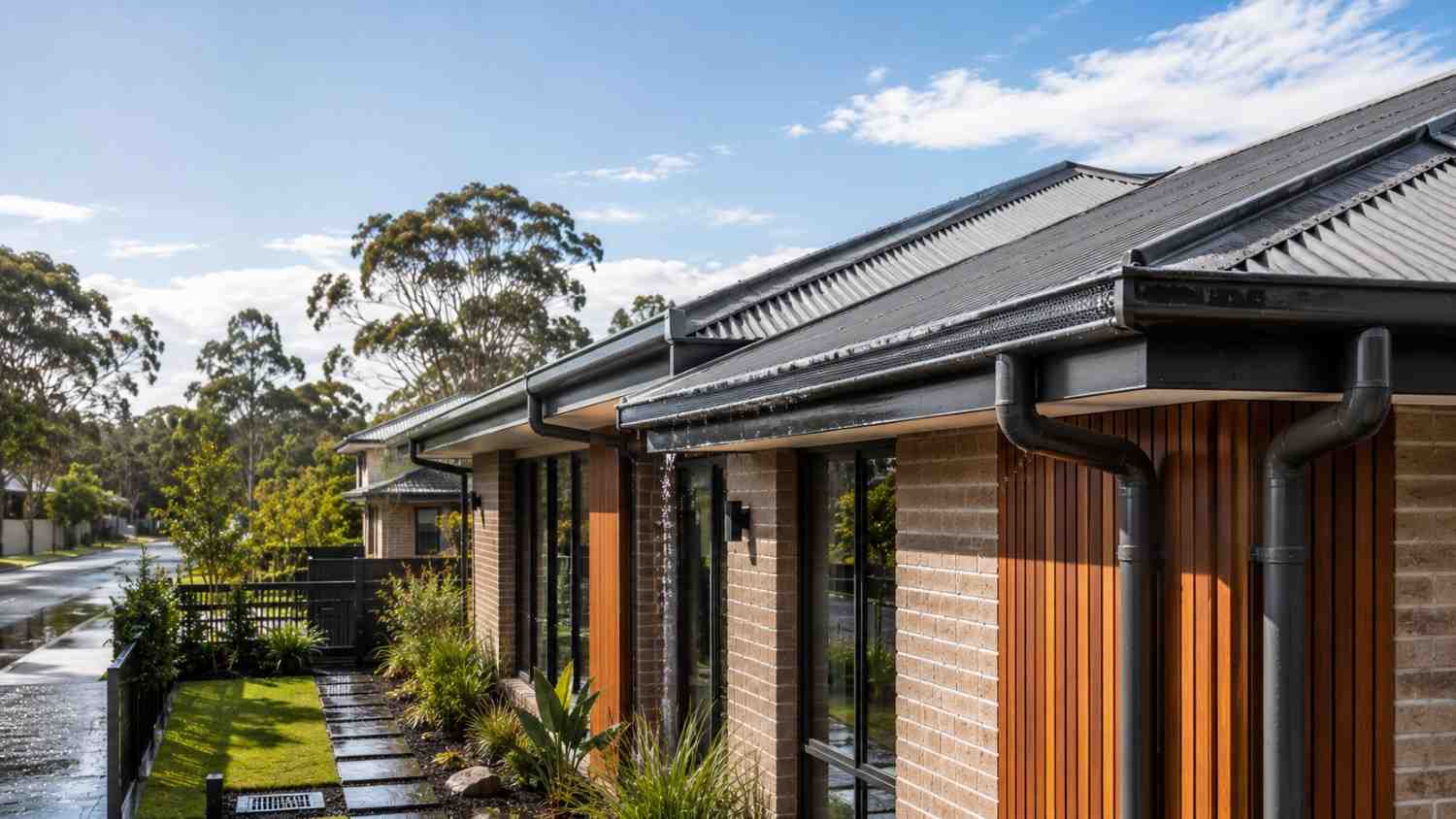
Gutters direct water away from the roof edge, fascia, soffit, and foundation. When they’re clogged, damaged, or improperly pitched, water backs up under the roofing materials, saturates the fascia, and creates conditions for rot and mold.

Ice dams  less common in Austin but not unheard of during winter freezes  form when gutters are blocked and water refreezes at the roof edge. The damage from a single ice event can be significant.

Clean, properly functioning gutters extend the life of the roof edge and protect the home’s structure below the roofline. They’re a small maintenance item with an outsized impact on overall roof health.

Ventilation and Insulation Services

Attic ventilation is one of the most overlooked factors in roof longevity. Poor ventilation traps heat and moisture in the attic space, and both are destructive to roofing materials from the inside out.

A roofer who understands ventilation provides a service that goes beyond the visible roof surface.

Why Attic Ventilation Matters for Your Roof

In Austin’s climate, attic temperatures without proper ventilation can exceed 150°F in summer. That heat degrades shingles from below, shortening their lifespan by years. It also drives up cooling costs as the heat radiates into living spaces.

Moisture is the other problem. Without adequate airflow, condensation builds in the attic during cooler months, leading to mold growth, insulation damage, and wood rot in the decking and rafters. Proper ridge vents, soffit vents, and attic fans work together to keep air moving and temperatures regulated.

According to the U.S. Department of Energy, proper attic insulation and ventilation can reduce cooling costs by up to 15% in hot climates. In Austin, that’s a meaningful number on a summer utility bill.

Skylight Installation and Repair

Skylights add natural light and visual appeal, but they’re also one of the most common sources of roof leaks when improperly installed or maintained. A qualified roofer handles both new skylight installation and repair of existing units.

Proper skylight installation requires precise flashing work around the curb and frame. The flashing is what keeps water out  not the skylight itself. When a skylight leaks, the flashing is almost always the culprit.

Skylight repair often involves resealing or replacing the flashing rather than replacing the skylight unit. A roofer who diagnoses the actual source of the leak  rather than defaulting to full replacement  saves the homeowner significant money.

Roof Coatings and Waterproofing

Roof coatings are applied to existing roofing surfaces to extend their life, improve waterproofing, and in some cases increase energy efficiency through reflective properties. They’re most commonly used on flat or low-slope roofs, though some products are designed for sloped surfaces as well.

Elastomeric coatings are the most common type  they’re flexible, waterproof, and can seal minor cracks and seams. Reflective coatings reduce heat absorption, which matters significantly in Austin’s summer climate.

Coatings are not a substitute for a failing roof. They work best as a preventive measure or as a way to extend the life of a roof that’s in reasonably good condition but showing early signs of wear.

How to Choose the Right Roofing Contractor in Austin, TX

The quality of the contractor matters as much as the quality of the materials. A poor installation with premium shingles still fails early. A skilled installation with standard materials performs well for decades.

Austin has no shortage of roofing companies, and the range in quality is significant. Knowing what to look for protects your investment.

Questions to Ask Before Hiring a Roofer

Ask for proof of licensing and insurance before any work begins. In Texas, roofing contractors are not required to hold a state license, but reputable companies carry general liability insurance and workers’ compensation coverage. Ask for certificates, not just verbal confirmation.

Ask about the warranty  both the manufacturer’s material warranty and the contractor’s workmanship warranty. A quality contractor stands behind their work with a written workmanship warranty of at least two years, and many offer five or more.

Ask for a written, itemized estimate. A vague quote is a red flag. You should know exactly what materials are being used, what work is being done, and what the total cost covers before signing anything.

What Sets a Trustworthy Roofing Company Apart

Trustworthy roofers are transparent about what they find, honest about what you need, and clear about what things cost. They don’t pressure you into a replacement when a repair will do, and they don’t minimize a problem to win a lower-cost job.

Local reputation matters. A company with years of work in Austin has a track record you can verify through reviews, references, and visible projects in the community. Storm chasers  contractors who follow severe weather events and solicit work aggressively  often disappear after the job is done, leaving homeowners with no recourse for warranty claims.

At Tarrytown Roofing, we provide written estimates, clear timelines, and honest assessments every time. We’re here before the storm and after it.

Frequently Asked Questions

How long does a roof inspection take?

A professional roof inspection typically takes 45 minutes to two hours. Larger or more complex roofs take longer, and any areas requiring closer examination  like the attic or damaged sections  add time to the process.

How much does roof repair cost in Austin, TX?

Roof repair costs in Austin generally range from $300 to $1,500 for minor repairs and $1,500 to $5,000 or more for more extensive work. The final cost depends on the type of repair, materials needed, and the extent of the damage.

What is the most common roofing material in Texas?

Asphalt shingles are the most common roofing material in Texas and across the United States. Architectural asphalt shingles are the most popular upgrade, offering better durability and aesthetics than standard three-tab shingles at a moderate price increase.

Does homeowners insurance cover roof replacement?

Most homeowners insurance policies cover roof replacement when the damage results from a covered peril  typically storm, hail, wind, or fire. Damage from age, neglect, or lack of maintenance is generally not covered. Review your policy and contact your insurer promptly after any storm event.

How long does a full roof replacement take?

Most residential roof replacements in Austin take one to three days. Larger homes, complex roof designs, or roofs requiring significant decking repair may take longer. Weather delays are also a factor during storm season.

Can a roofer repair just one section of a roof?

Yes. Roofers repair specific sections of a roof regularly. The key consideration is whether the repaired section will match the existing materials and whether the surrounding areas are in good enough condition to justify a partial repair rather than full replacement.

How do I know if my roof has storm damage?

Signs of storm damage include missing or displaced shingles, granules collecting in gutters or downspouts, dents or bruising on shingles or metal components, damaged flashing, and water stains on interior ceilings. A professional inspection after any significant storm is the most reliable way to assess damage accurately.

What is the lifespan of a typical residential roof?

Standard asphalt shingles last 20 to 30 years. Architectural shingles typically last 25 to 30 years. Metal roofs last 40 to 70 years. Concrete and clay tile roofs can last 50 years or more with proper maintenance. Austin’s heat and storm exposure can shorten these ranges without regular upkeep.

WHY WAIT! GET A FREE ESTIMATE & CONSULTATION