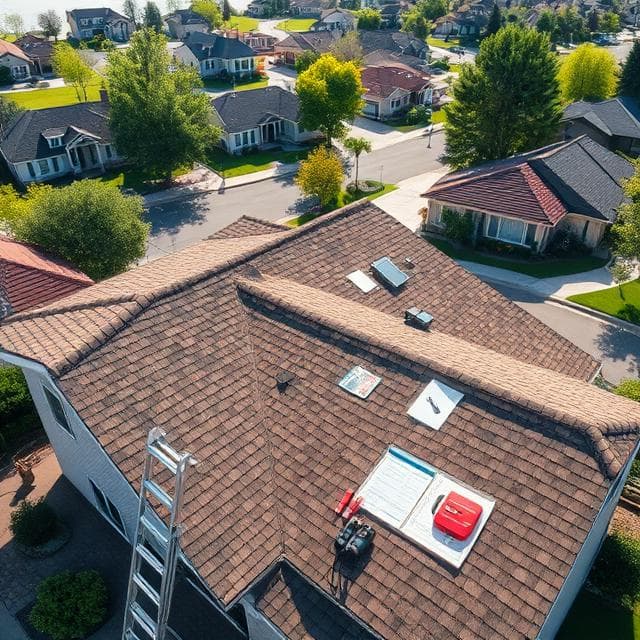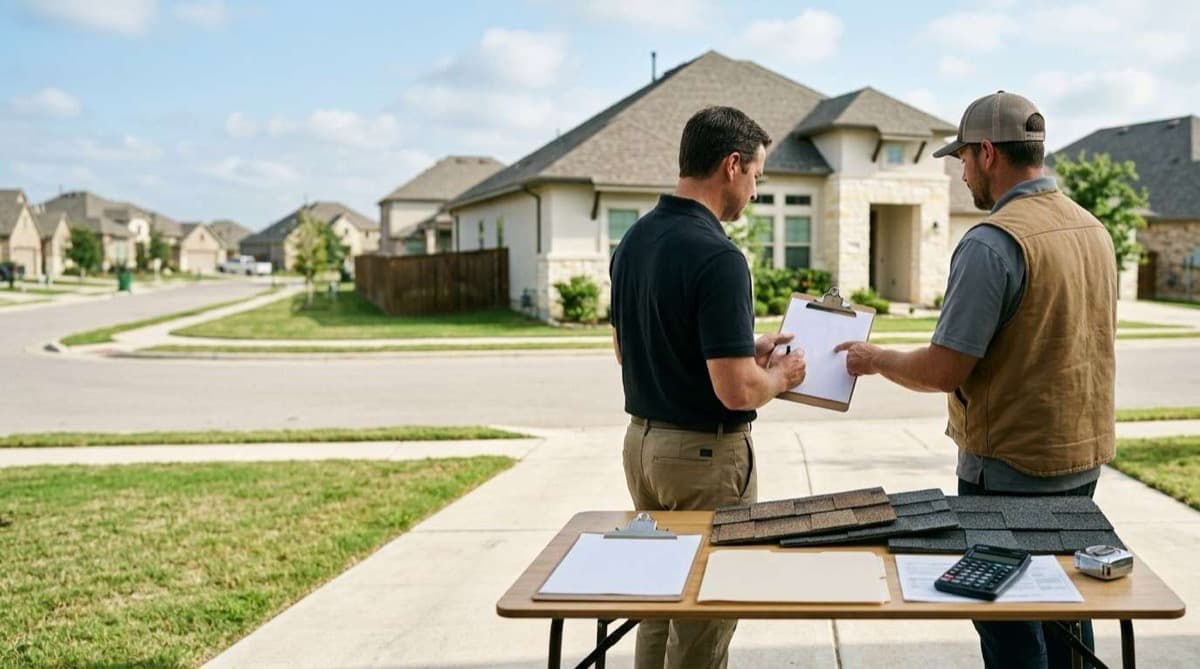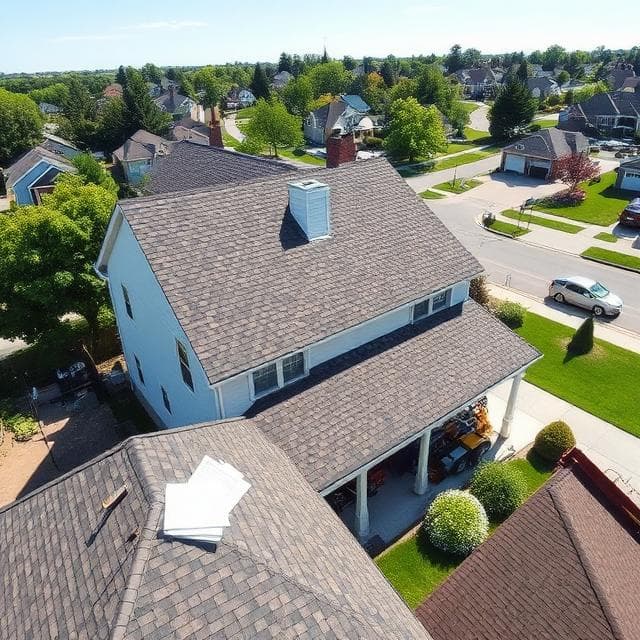
The most expensive part of replacing a roof is the materials, which typically account for 40% to 60% of the total project cost. Shingles, underlayment, flashing, and ventilation components quickly add up, especially on larger or steeper roofs. For homeowners in Austin, understanding how each cost factor works helps you budget accurately, compare contractor quotes fairly, and avoid surprises once the tear-off begins and the true scope of the project comes into view.

Materials Are the Most Expensive Part of a Roof Replacement

Roofing materials are the single largest expense in a roof replacement, usually consuming 40% to 60% of the total budget. This includes shingles or panels, underlayment, drip edge, flashing, ridge vents, and fasteners. Premium options like standing-seam metal or clay tile can push material costs even higher, often doubling what a basic asphalt system would cost.

Why Roofing Materials Dominate the Total Cost

Materials cost more because every layer of a modern roof has a job. The shingles shed water, the underlayment blocks moisture intrusion, the flashing seals vulnerable joints, and the ventilation system protects the deck from heat and humidity. Asphalt remains the most affordable option for Austin homes, while metal, tile, and synthetic slate carry significantly higher per-square pricing. Quality also varies within each category, and choosing builder-grade products to save money often leads to shorter lifespans and earlier replacement.

How Material Choice Shapes Long-Term Value

A cheaper material is not always a cheaper roof. Asphalt shingles last 15 to 25 years, while metal roofing can last 40 to 70 years with minimal maintenance. Spending more upfront on a durable system often costs less per year of service. Texas weather, including hail, UV exposure, and high winds, also rewards stronger materials with fewer repairs and better insurance outcomes over time.

Materials set the foundation of your budget, but the next decision shapes the result. Choosing the right roofing material determines how the rest of the project unfolds, from labor requirements to long-term performance.

Labor, Tear-Off, and Hidden Costs That Add Up Fast

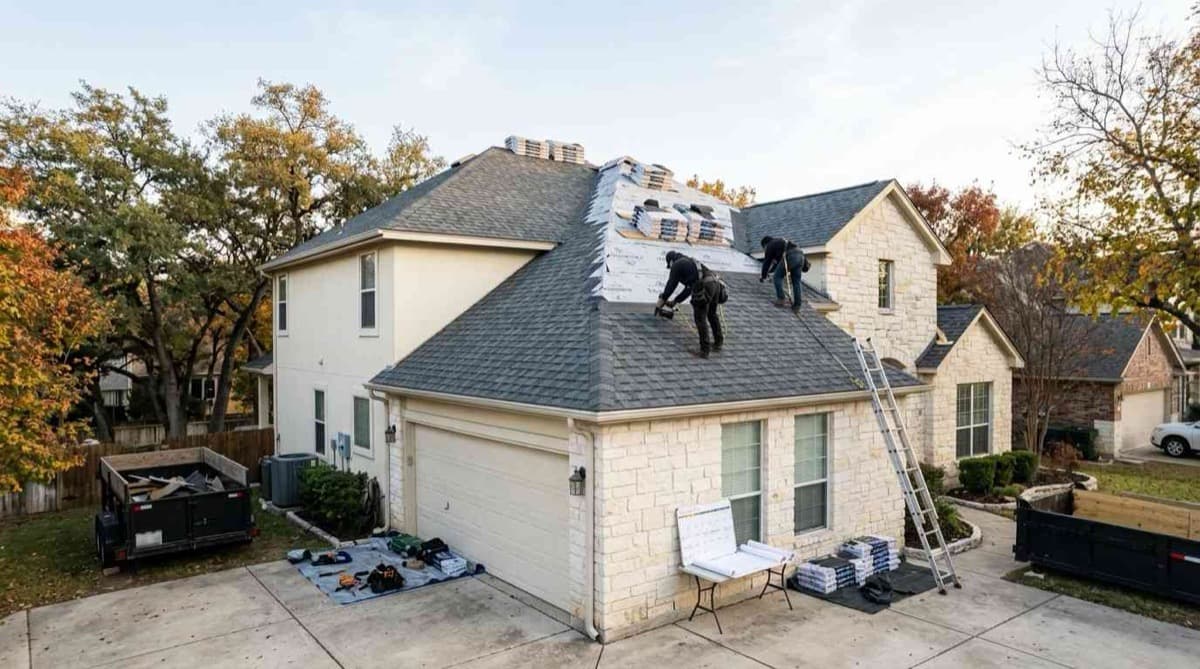
Labor is the second-largest expense, generally 25% to 40% of the total cost. This covers tear-off of the old roof, disposal, deck inspection, installation, and cleanup. Hidden costs often emerge once the old roof comes off, including rotted decking, damaged rafters, or outdated flashing that must be replaced to meet code. Permits, dumpster fees, and warranty registration add smaller but meaningful line items to the invoice.

Why Austin Labor Rates Influence Your Final Bill

Austin’s strong construction demand, steep summer heat, and licensing standards all push labor rates higher than the national average. Experienced crews work safer, faster, and cleaner, which protects your property and your warranty. When comparing quotes, look closely at what is included in full roof replacement pricing in Austin, since unusually low bids often skip critical steps like deck replacement, proper underlayment, or code-compliant ventilation.

How Roof Size, Pitch, and Complexity Change the Price

Beyond materials and labor, the shape of your roof matters. Larger roofs require more squares of material and more hours on-site. Steep pitches demand safety equipment and slower work, raising labor costs. Complex rooflines with multiple valleys, dormers, skylights, and chimneys add flashing work and waste material. A simple gable roof on a single-story home costs far less per square foot than a multi-faceted roof on a two-story Austin property.

Conclusion

Materials lead roof replacement costs, followed closely by labor, with size, pitch, and unexpected repairs shaping the final price every homeowner pays.

Understanding these cost drivers helps you plan confidently, compare quotes accurately, and recognize when repair is no longer enough to protect your home.

At Tarrytown Roofing, we deliver transparent pricing, premium materials, and skilled craftsmanship. Request your free roof replacement estimate today.

Frequently Asked Questions

How much does a full roof replacement cost in Austin?

Most Austin homeowners spend between $8,000 and $25,000 for a full replacement, depending on roof size, material choice, pitch, and any underlying damage discovered during tear-off.

Are roofing materials more expensive than labor?

Yes. Materials typically cost more than labor, accounting for 40% to 60% of the project, while labor covers 25% to 40%, with the remainder going to permits and disposal fees.

What roofing material offers the best long-term value?

Metal roofing offers strong long-term value, lasting 40 to 70 years with minimal maintenance, though asphalt shingles remain the most affordable upfront option for most Austin homes.

Can hidden damage increase my roof replacement cost?

Yes. Rotted decking, damaged rafters, or outdated flashing discovered during tear-off can add $1,000 to $5,000 or more to the original estimate.

Does roof pitch affect replacement pricing?

Yes. Steeper roofs require safety equipment, slower installation, and more skilled labor, which can raise total labor costs by 20% to 50% compared to standard pitches.

Read
More

WHY WAIT! GET A FREE ESTIMATE & CONSULTATION