
Why You Shouldn’t Let a Roofer Mark Your Roof Before the Adjuster Arrives
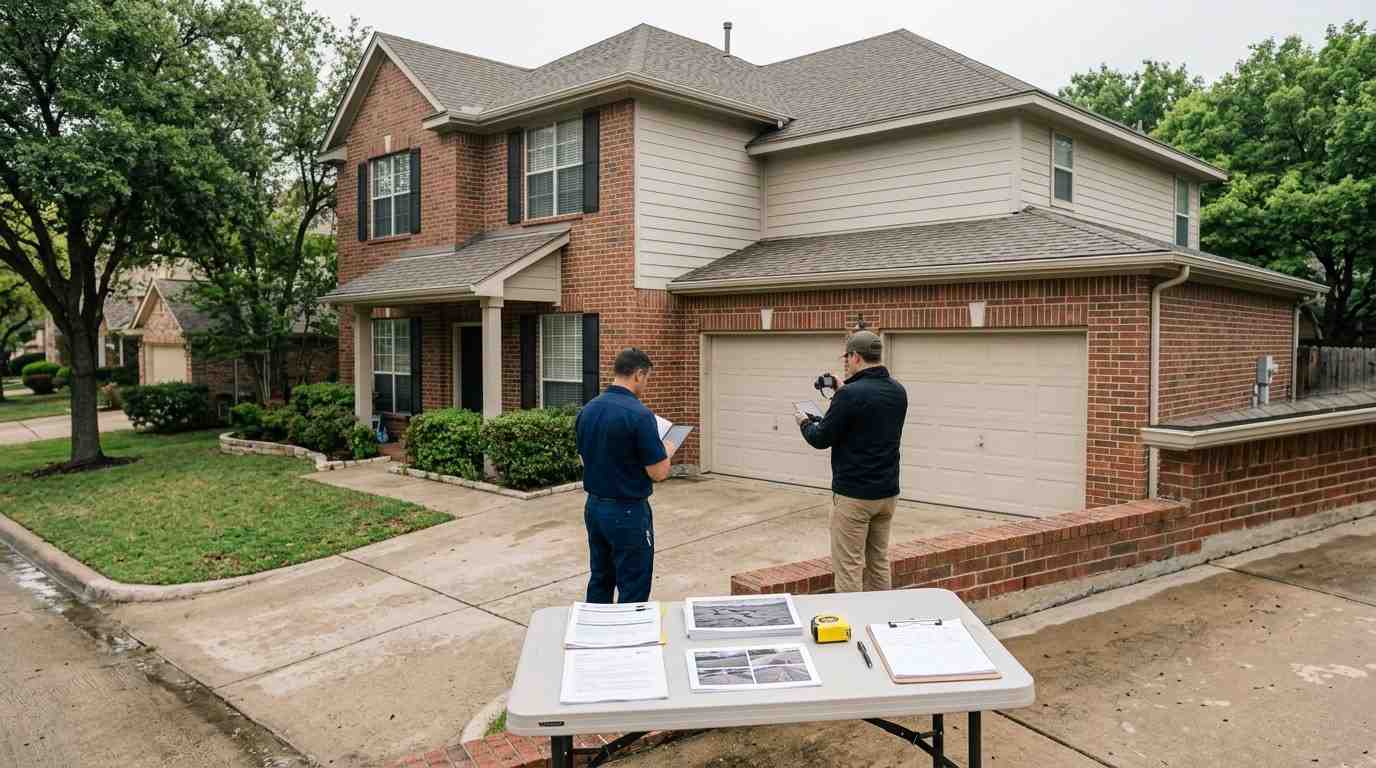 Letting a roofer mark your roof before the insurance adjuster arrives is one of the fastest ways to damage your own claim and most homeowners have no idea it’s happening.
The moment chalk lines, spray paint, or tape appear on your shingles, your roof is no longer in its original post-storm condition. That matters more than most contractors will tell you.
I want to walk you through exactly what roof marking is, why it creates serious problems, and what the right process actually looks like after a storm.
What “Marking the Roof” Actually Means
Most homeowners picture a roofer walking the roof, taking photos, and writing up an estimate. That is not always what happens.
Some contractors especially those who show up unsolicited after a storm physically mark the roof before anyone from the insurance company has seen it. They are altering the evidence before the official inspection even begins.
How Roofers Mark Damage
The most common methods are chalk lines drawn around damaged shingles, spray paint circling hail strikes or impact points, and colored tape or flags placed near cracked or lifted areas.
Some contractors go further and physically lift shingles, remove granules, or probe soft spots to “demonstrate” damage. Each of these actions changes what the adjuster will see.
The roof is no longer in the condition it was in immediately after the storm.
Why Contractors Do It Their Stated Reasons
The justification I hear most often is documentation. A contractor will tell you they are marking damage so nothing gets missed during the adjuster’s visit.
That sounds reasonable. It is not. The adjuster’s job is to find and document damage independently that is the entire point of their visit. A roofer guiding that process before it starts is not helping you. They are steering the outcome.
Why the Adjuster Has to See the Roof First
The insurance adjuster is not there to rubber-stamp a contractor’s findings. They are there to make an independent assessment of what the storm actually did to your roof.
That independence only exists if the roof is unaltered. Once a roofer has been up there marking things, the adjuster is no longer looking at storm damage they are looking at storm damage plus whatever the contractor decided to highlight, probe, or flag.
The Adjuster’s Role in the Claims Process
The adjuster works on behalf of the insurance company to determine the scope and cause of damage. Their findings directly determine your payout.
They are trained to identify storm-caused damage versus pre-existing wear, improper installation, or age-related deterioration. That distinction is critical to your claim.
An adjuster who arrives at a pre-marked roof cannot make that distinction cleanly. The integrity of their assessment is already compromised.
What an Unmarked Roof Tells the Insurance Company
An unaltered roof tells the insurance company one thing: what the storm actually did. Nothing more, nothing less.
That is the strongest position you can be in as a homeowner filing a claim. The damage speaks for itself, the adjuster documents it independently, and the scope of work flows from that honest assessment.
Pre-marking removes that clarity. And when clarity disappears, so does your leverage.
How Pre-Marking Can Hurt Your Claim
This is where the real risk lives and it goes well beyond a minor procedural issue.
Scope Inflation and Fraud Flags
When a roofer marks damage before the adjuster arrives, they are often marking more than what the storm caused. Pre-existing wear, normal aging, and minor cosmetic issues get circled alongside legitimate storm damage.
The adjuster sees a roof that looks heavily damaged. The claim scope grows. And when the insurance company reviews the file, a pre-marked roof is one of the clearest signals that something is off.
Insurers flag these situations for closer review. Some refer them to their Special Investigations Unit the fraud investigation arm of the insurance industry. Even if you had nothing to do with the marking, your claim is now under scrutiny.
Claim Denial and Reduced Payouts
A flagged claim does not always get approved. Insurers have the right to deny claims where the evidence has been tampered with or where the scope cannot be independently verified.
I have seen homeowners end up with significantly reduced settlements or outright denials because a contractor marked the roof before the adjuster arrived. The homeowner did not commit fraud. They just trusted the wrong contractor at the wrong time.
That trust cost them thousands of dollars.
Legal and Policy Consequences for the Homeowner
Most homeowners do not realize that their insurance policy contains a cooperation clause. That clause requires you to preserve evidence and allow the insurer to conduct an independent investigation.
Allowing a contractor to alter your roof before the adjuster arrives can be interpreted as a violation of that clause. In serious cases particularly where the marking was clearly designed to inflate the claim homeowners have faced policy cancellation and civil liability alongside the contractor.
You do not have to intend fraud to face consequences from it.
Red Flags That a Roofer Is Pushing to Mark First
The contractors most likely to push for pre-marking are storm chasers out-of-town crews who follow severe weather events and canvass neighborhoods immediately after a storm.
They move fast because their business model depends on volume. Getting on your roof and marking it before the adjuster arrives locks in their involvement and shapes the claim in their favor.
Watch for these specific behaviors. A contractor who shows up unsolicited within 24 hours of a storm and immediately asks to get on your roof is a red flag. So is any contractor who tells you the adjuster “needs” their markings to find the damage, or who pressures you to sign a contract before the adjuster has visited.
Legitimate contractors do not need to mark your roof to protect your claim. They need to do good work after the claim is settled.
What Legitimate Roofers Do Instead
A trustworthy roofing contractor will inspect your roof after the adjuster has completed their visit. They will review the adjuster’s scope of loss, identify anything that may have been missed, and advocate for a supplement if the original scope is incomplete.
That is the correct process. It protects you, it protects the integrity of the claim, and it keeps the contractor’s role where it belongs in the repair and replacement work, not in the evidence-gathering phase.
At Tarrytown Roofing, we never ask to mark a roof before the adjuster arrives. We work with the adjuster’s findings and advocate for our customers through the proper supplementing process.
The Right Order of Events After a Storm
Getting this sequence right protects your claim from the start. The order matters more than most homeowners realize.
Step 1 File the Claim and Schedule the Adjuster
Contact your insurance company as soon as it is safe to do so after the storm. File the claim, document the date and time, and get the adjuster visit scheduled.
Do not let a contractor pressure you into skipping this step or delaying it. The adjuster visit is the foundation of your entire claim.
Step 2 Get a Roofing Inspection (After the Adjuster)
Once the adjuster has completed their inspection and you have a copy of the scope of loss, bring in a reputable roofing contractor for their own assessment.
A good contractor will compare their findings to the adjuster’s scope and flag any legitimate damage that was missed. This is called a supplement, and it is a normal, accepted part of the claims process.
Step 3 Choose Your Contractor Based on the Scope
With the adjuster’s scope in hand and a contractor’s assessment complete, you are in the strongest possible position to make a decision. You know what the insurance company approved. You know what the work actually requires.
Choose a contractor based on their reputation, their workmanship, and their willingness to work transparently within the approved scope not based on who got to your roof first after the storm.
Conclusion
Roof marking before the adjuster arrives is not a contractor doing you a favor. It is a contractor putting their interests ahead of yours at the most critical moment in the claims process.
The adjuster’s independent assessment is the foundation of your payout. Anything that compromises that assessment compromises your claim and the consequences fall on you, not the contractor who marked the roof.
We are here to help Austin homeowners navigate storm damage the right way. Reach out to Tarrytown Roofing before you let anyone on your roof, and we will walk you through every step of the process.
Frequently Asked Questions
Can a roofer inspect my roof before the adjuster comes?
A roofer can look at your roof, but they should not mark, probe, or alter it in any way before the adjuster’s visit. Visual observation is fine. Physical alteration of the surface is not.
What happens if a roofer marks my roof and the adjuster sees it?
The adjuster will note that the roof has been altered prior to their inspection. This can trigger a closer review of the claim, reduce the credibility of the damage assessment, and in some cases lead to a reduced payout or denial.
Is it illegal for a roofer to mark a roof before an adjuster visit?
It depends on the intent and the outcome. Marking that is designed to inflate a claim can constitute insurance fraud, which is a criminal offense. Even without criminal intent, it can violate your policy’s cooperation clause and expose you to civil consequences.
How do I know if a roofer is trying to commit insurance fraud?
The clearest signs are unsolicited door-knocking immediately after a storm, pressure to sign a contract before the adjuster visits, and requests to get on the roof and mark damage before any official inspection. Legitimate contractors do not operate this way.
Should I get multiple roofing estimates before the adjuster arrives?
You can gather information and talk to contractors before the adjuster comes. Just do not allow any contractor to physically mark or alter your roof. Get estimates after the adjuster has completed their inspection and you have a scope of loss in hand.
What should I tell a roofer who wants to mark my roof before the adjuster comes?
Tell them no, clearly and directly. A contractor who respects your interests will understand and wait. A contractor who pushes back or insists they need to mark the roof first is showing you exactly who they are and that is not someone you want working on your home.