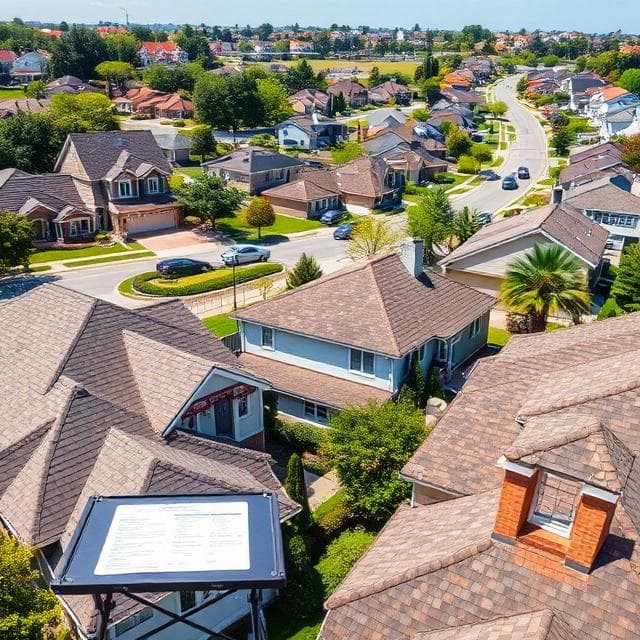
Modern Australian home with a professionally maintained roof, clean gutters, leaf guards, and premium roofing materials illustrating preventive roof maintenance and long-term durability.
Roof maintenance is the scheduled practice of inspecting, cleaning, and addressing minor issues across your roofing system before they develop into structural damage , and it is the single most effective strategy for extending the life of your roof. Skipping routine maintenance does not just shorten your roof’s lifespan. It turns a $300 repair into a $15,000 replacement, often with no warning. This guide covers what roof maintenance involves, how often to schedule it, the core components of a preventive plan, seasonal considerations for Austin homeowners, common problems caught through routine care, how to decide between maintenance and repair, what to look for in a roofing contractor, and what preventive care actually costs compared to the alternative.

What Is Roof Maintenance and Why Does It Matter?

Roof maintenance is a scheduled, proactive approach to keeping your roofing system in sound condition. Rather than waiting for a leak to appear or a shingle to blow off in a storm, preventive maintenance identifies vulnerabilities early , when they are still inexpensive to address. The distinction between preventive and reactive maintenance is not just semantic. It is financial.

The Difference Between Preventive and Reactive Maintenance

Preventive maintenance happens on a schedule. A roofing professional inspects your roof at regular intervals, clears debris, checks flashing integrity, evaluates shingle condition, and documents anything that needs attention. Problems are caught in their early stages. Reactive maintenance happens after something fails. A leak appears in the ceiling. A shingle is missing after a storm. Water stains show up on the attic insulation. By the time reactive maintenance is triggered, the damage has already progressed , and the repair cost reflects that. The National Roofing Contractors Association consistently recommends preventive maintenance as the most cost-effective approach to residential roof management, noting that most roof failures are the result of deferred care rather than material defects.

How Preventive Care Extends Roof Lifespan

A standard asphalt shingle roof carries a manufacturer lifespan of 20 to 30 years. With consistent preventive maintenance, many roofs reach or exceed that range. Without it, the same roof may require replacement in 15 years or fewer. The mechanism is straightforward. Small failures , a cracked sealant bead around a pipe boot, a slightly lifted flashing edge, a clogged gutter section , allow water to penetrate the roofing system. Water infiltration accelerates deterioration of the roof deck, insulation, and structural framing. What begins as a $200 sealant repair becomes a $4,000 deck replacement if left unaddressed for two or three seasons. Preventive maintenance interrupts that cycle before it starts. A professional roof inspection is the foundation of any preventive maintenance plan , our roof inspection services walk through every component of your roofing system, from shingles and flashing to gutters and attic ventilation, so you know exactly what your roof needs before small issues become costly repairs.

How Often Should You Inspect and Maintain Your Roof?

The general professional standard is a minimum of one roof inspection per year. For roofs over 15 years old, or for homes in areas with significant weather exposure, twice-yearly inspections are the more appropriate baseline. In Austin, where spring hail events and summer heat cycles create consistent stress on roofing materials, adhering to that schedule is not optional , it is the difference between catching damage early and discovering it through a ceiling stain.

Recommended Inspection Frequency by Roof Type

Different roofing materials age at different rates and respond differently to environmental stress. Asphalt shingles benefit from annual inspections starting around year 10, with biannual checks after year 15. Metal roofing systems are more durable but still require annual inspections to check fastener integrity, sealant condition, and panel seams. Tile roofing , common in Central Texas , needs inspection for cracked or slipped tiles, particularly after hail events, since individual tile failures can compromise the underlayment beneath. Regardless of material, the inspection frequency rule is consistent: once a year minimum, twice a year for aging roofs, and immediately after any significant storm event.

When to Schedule an Unplanned Inspection

Certain events should trigger an immediate inspection regardless of where you are in your annual maintenance schedule. A hailstorm with stones larger than one inch in diameter. Straight-line winds above 60 mph. A fallen tree limb or large debris impact. Visible granule accumulation in gutters after a storm. Any of these warrants a professional assessment within 48 to 72 hours of the event. Waiting weeks after a storm to schedule an inspection increases the risk that moisture has already begun infiltrating the roof deck , and that the window for a straightforward repair has closed. Knowing how often to inspect is only half the equation , our roof inspection checklist covers every item a professional evaluates during a maintenance visit, from surface granule loss and flashing gaps to gutter condition and attic moisture signs, giving you a complete picture of what each inspection should include.

Core Components of a Preventive Roof Maintenance Plan

A complete preventive maintenance plan addresses three interconnected systems: the roof surface, the drainage system, and the attic environment. Each system affects the others. A failure in one accelerates deterioration in the remaining two. Understanding what each system involves helps homeowners know what to expect from a professional maintenance visit and what to watch for between scheduled inspections.

Shingles, Flashing, and Surface Integrity

The roof surface is the first line of defense against weather. Shingles protect the roof deck from UV radiation, rain, and impact. Flashing , the metal strips installed at joints, valleys, chimneys, and penetrations , seals the transitions where water is most likely to find a path inward. During a maintenance inspection, a professional checks shingles for cracking, curling, blistering, and granule loss. They examine flashing for gaps, rust, lifted edges, and failed sealant. Pipe boots and vent collars are checked for cracking and separation. Any sealant that has dried, cracked, or pulled away from the surface is reapplied. These are small, inexpensive interventions. A tube of roofing sealant and 20 minutes of labor can prevent a leak that would otherwise require deck replacement and interior remediation.

Gutters, Drainage, and Water Management

Gutters are a roofing component, not just a cosmetic feature. When gutters are clogged with debris, water backs up under the roof edge, saturating the fascia board and eventually the roof deck. Ice dams , less common in Austin but not unheard of during winter freezes , form when water cannot drain properly and refreezes at the eave. A maintenance visit includes clearing gutters and downspouts, checking for proper slope and secure attachment, and inspecting the drip edge for rust or separation. Downspout extensions are checked to ensure water is directed away from the foundation. Drainage failure is one of the most common causes of premature roof deterioration, and it is entirely preventable with routine maintenance.

Attic Ventilation and Insulation

The attic environment directly affects roof longevity in ways that are not visible from the exterior. In Austin’s climate, where summer temperatures regularly exceed 100 degrees Fahrenheit, an inadequately ventilated attic can reach 150 to 160 degrees. That heat accelerates the breakdown of asphalt shingles from the underside , a failure mode that no amount of exterior inspection can prevent if the ventilation system is not functioning correctly. A maintenance inspection includes checking ridge vents, soffit vents, and any powered attic fans for blockage or malfunction. Insulation depth and condition are noted. Signs of moisture condensation on the underside of the roof deck , an early indicator of ventilation failure , are flagged for immediate attention. Each of these systems requires specific attention at different points in the year , our complete roof maintenance checklist  breaks down every task across all three systems, with seasonal timing guidance and professional vs. DIY recommendations for Austin homeowners.

Seasonal Roof Maintenance in Austin, TX

Austin’s climate creates a specific set of roofing challenges that national maintenance guides do not fully address. The combination of intense UV exposure, extreme summer heat, a defined spring hail season, and periodic winter freeze events means that seasonal timing matters for maintenance tasks in ways that differ from milder climates. A maintenance schedule built for Austin accounts for these patterns rather than applying a generic annual checklist.

Spring and Summer: Heat, UV, and Storm Preparation

Spring is the highest-risk season for Austin roofs. The combination of late-season cold fronts and Gulf moisture creates the conditions for severe thunderstorms and hail events that can cause significant shingle damage in a single afternoon. A spring maintenance visit , ideally scheduled in March or early April before peak storm season , focuses on identifying any winter damage, clearing debris accumulated over the cooler months, checking flashing and sealant condition, and ensuring gutters are clear before heavy spring rains arrive. This visit also serves as a pre-storm-season baseline: if a hail event occurs in May, you have a documented pre-storm condition report that supports an insurance claim. Summer maintenance shifts focus to heat and UV management. Asphalt shingles in Austin experience thermal expansion and contraction cycles that accelerate granule loss and surface cracking. A mid-summer check of shingle condition, attic ventilation performance, and any areas showing accelerated wear helps catch heat-related deterioration before it compounds over multiple seasons.

Fall and Winter: Post-Storm Checks and Debris Removal

Fall maintenance in Austin centers on clearing debris from summer storms, checking for any hail damage that may have been missed or underestimated in spring assessments, and preparing the drainage system for winter rainfall. Austin’s periodic winter freeze events , while less frequent than in northern climates , can cause significant damage when they occur. Water trapped in clogged gutters or in small roof penetrations can freeze and expand, widening gaps and lifting flashing. A pre-winter inspection that addresses drainage and sealant integrity reduces that risk substantially. When Austin’s hail season delivers significant storm activity, the damage to shingles, flashing, and gutters can be subtle but serious , our guide to Austin roof storm damage assessment explains exactly what to look for after a major weather event and when to call a professional for a post-storm inspection.

Common Roof Problems Caught Through Preventive Maintenance

The value of a preventive maintenance program is most visible in the problems it catches before they become emergencies. Most major roof failures do not happen suddenly. They develop over months or years through a progression of small failures that compound if left unaddressed. Routine inspections interrupt that progression at the point where intervention is still straightforward and affordable.

Leaks, Flashing Failures, and Moisture Intrusion

Flashing failures are the leading cause of preventable roof leaks. The metal strips that seal transitions at chimneys, skylights, pipe penetrations, and roof valleys are subject to thermal movement, sealant degradation, and physical displacement from wind and impact. A flashing edge that has lifted two millimeters allows water to wick under the surface during rain events , and that water reaches the roof deck, insulation, and eventually the ceiling below. A maintenance inspection catches lifted, rusted, or improperly sealed flashing before it causes interior damage. Resealing or replacing a flashing section costs a fraction of what water damage remediation costs once moisture has reached the interior. Moisture intrusion from inadequate attic ventilation is a related problem that inspections identify through signs of condensation, staining, or mold growth on the underside of the roof deck. Caught early, ventilation corrections are straightforward. Caught late, they involve deck replacement and mold remediation.

Granule Loss, Cracking, and Shingle Deterioration

Asphalt shingles are coated with mineral granules that protect the underlying asphalt layer from UV degradation. As shingles age, granules loosen and wash into gutters. Significant granule loss is a reliable indicator that shingles are approaching the end of their functional life , and that UV exposure is now accelerating the deterioration of the asphalt layer beneath. A maintenance inspection documents granule loss patterns, identifies sections of the roof showing accelerated wear, and flags areas where shingle cracking or curling has begun. This documentation supports both repair planning and insurance assessments. Research from the Insurance Institute for Business and Home Safety indicates that roofs with documented maintenance histories perform significantly better in insurance claim assessments and are less likely to have claims disputed on the basis of pre-existing deterioration. When a maintenance inspection reveals damage that goes beyond routine upkeep, understanding your repair options is the critical next step , our roof repair services in Austin covers every type of residential roof repair we handle, from flashing replacement and shingle patching to full section re-roofing, with transparent pricing and same-week scheduling. When does routine maintenance become a repair or replacement decision? That question marks the point where preventive care transitions into a more consequential evaluation of your roof’s overall condition and remaining lifespan.

Roof Maintenance vs. Roof Repair vs. Roof Replacement

These three service categories are related but distinct, and confusing them leads to either under-investing in a roof that needs more than maintenance or over-investing in a replacement when targeted repairs would extend the roof’s life by another decade. Understanding the difference is one of the most practically valuable things a homeowner can take from this guide.

How to Decide Which Service You Need

Roof maintenance is appropriate when the roof is structurally sound, within its expected lifespan, and showing only the normal wear that routine care addresses. The goal is preservation and early problem detection. Roof repair is appropriate when a specific area of damage has been identified , a failed flashing section, a section of missing or cracked shingles, a damaged pipe boot , and the surrounding roof is otherwise in good condition. Repair addresses the specific failure without disturbing the rest of the system. Roof replacement is appropriate when damage is widespread, when the roof has exceeded its expected lifespan, or when the cost of repairing existing damage approaches or exceeds 50% of the cost of a full replacement. At that threshold, replacement delivers better long-term value than continued repair investment.

The Cost of Waiting: Deferred Maintenance Risks

The financial case for preventive maintenance is most clearly illustrated by what happens when it is deferred. A $300 flashing repair left unaddressed for two seasons becomes a $1,500 deck repair. Left unaddressed for four seasons, it becomes a $4,000 interior remediation project. Left unaddressed until the roof fails structurally, it becomes a $15,000 to $20,000 replacement , plus the cost of interior damage. Each year of deferred maintenance does not simply delay the cost. It multiplies it. Making the right call between repair and replacement is one of the most consequential decisions a homeowner faces , our roof repair vs. replacement guide walks through every factor that influences this decision, including roof age, damage extent, material costs, and the long-term financial case for each option.

How to Choose a Roofing Contractor for Maintenance in Austin

Not every roofing contractor approaches maintenance the same way. Some specialize in replacement and treat maintenance as a secondary service. Others have built their practice around preventive care, recurring maintenance programs, and the kind of detailed documentation that protects homeowners during insurance claims and warranty disputes. For ongoing maintenance, the contractor you choose matters as much as the maintenance schedule itself.

What to Look for in a Maintenance-Focused Roofing Company

A contractor qualified for ongoing maintenance work should be licensed and insured in Texas, with verifiable local references from Austin-area homeowners. They should provide written inspection reports after every visit , not just a verbal summary , that document the condition of each roofing system component, note any areas of concern, and recommend specific actions with associated costs. A contractor who offers a recurring maintenance plan is preferable to one who only handles emergency calls. Recurring plans ensure consistent scheduling, build a documented maintenance history for your roof, and typically include priority scheduling for post-storm assessments.

Questions to Ask Before Hiring

Before committing to a roofing contractor for maintenance, ask these questions directly: Are you licensed and insured in Texas? Can you provide proof of both? Do you provide a written inspection report after every visit? Do you offer a recurring annual or biannual maintenance plan? Can you document your work in a format that supports insurance claims or warranty verification? Do you have local Austin references I can contact? A contractor who answers these questions confidently and provides documentation to support their answers is a contractor who takes maintenance seriously. For Austin homeowners looking for a roofing contractor who specializes in preventive maintenance and long-term roof care, Tarrytown Roofing’s maintenance and inspection services offer scheduled maintenance plans, detailed written inspection reports, and same-week availability for post-storm assessments across the Austin metro area.

Roof Maintenance Costs and Long-Term Value in Austin, TX

One of the most common reasons homeowners defer roof maintenance is the assumption that it is an unnecessary expense when the roof appears to be functioning normally. That assumption is the most expensive mistake a homeowner can make in residential property management. The cost of preventive maintenance is not a cost. It is a return on investment.

Average Maintenance Costs in Austin, TX

Professional roof maintenance in Austin typically costs between $150 and $500 per visit, depending on roof size, pitch, material type, and the scope of work performed. For a standard 2,000-square-foot residential roof, an annual maintenance visit with minor sealant work and gutter clearing generally falls in the $200 to $350 range. A biannual maintenance program , two visits per year, which is appropriate for roofs over 15 years old or homes in high-hail-exposure areas , runs approximately $400 to $700 annually for most Austin residential properties. These figures reflect routine maintenance. Repairs identified during a maintenance visit are priced separately, but catching them during a scheduled visit rather than after a failure event consistently results in lower repair costs.

ROI of Preventive Maintenance vs. Emergency Repairs

The financial comparison between preventive maintenance and deferred maintenance is not close. A homeowner who invests $400 per year in professional maintenance over a 20-year roof lifespan spends approximately $8,000 in total maintenance costs. A homeowner who defers maintenance and replaces the same roof at year 15 due to accelerated deterioration spends $12,000 to $20,000 on replacement , plus whatever interior damage costs accumulated in the years before the roof failed. According to the National Association of Home Builders, regular preventive maintenance is among the highest-ROI investments available to residential property owners, with documented maintenance histories also contributing to higher resale valuations. The math is straightforward. Preventive maintenance costs less, extends the roof’s life, protects the home’s interior, and preserves resale value. The only variable is whether the homeowner acts before or after the damage occurs. For homeowners weighing the full financial picture of roof care, understanding replacement costs alongside maintenance costs is essential , our roof replacement cost guide for Austin homeowners breaks down material costs, labor rates, and total project pricing by roof size and material type, so you can make a fully informed decision about your roofing investment.

Conclusion

Preventive roof maintenance is the most reliable strategy for protecting your home’s structural integrity, extending your roof’s functional lifespan, and avoiding the compounding costs of deferred care. The core components , surface integrity, drainage management, and attic ventilation , work together as a system, and maintaining all three is what separates a roof that lasts 30 years from one that fails at 15. Austin’s climate makes consistent maintenance more important, not less. Heat, UV exposure, hail season, and periodic freeze events create conditions that accelerate deterioration when maintenance is skipped and reward homeowners who stay ahead of the damage cycle. When you are ready to schedule a professional inspection or establish a recurring maintenance plan for your Austin home, contact Tarrytown Roofing , our team provides detailed written inspection reports, transparent repair recommendations, and the local expertise your roof deserves.

Frequently Asked Questions

How long does a roof last with proper maintenance?

A well-maintained asphalt shingle roof typically lasts 25 to 30 years, often reaching the upper end of its manufacturer warranty. Without consistent maintenance, the same roof may require replacement in 15 to 18 years due to accelerated deterioration from unaddressed minor failures.

Can I do roof maintenance myself?

Homeowners can safely handle ground-level tasks like clearing gutters and removing visible debris. However, walking on a roof without proper equipment and training creates fall risks and can damage shingles. Professional inspections are recommended for any task that requires accessing the roof surface.

Does roof maintenance affect homeowners insurance?

Yes. Insurers may reduce or deny claims for damage attributed to deferred maintenance rather than sudden events. A documented maintenance history demonstrates that the homeowner exercised reasonable care, which supports claim approval and can prevent disputes over pre-existing deterioration.

What is the most important part of a roof maintenance plan?

Flashing integrity and drainage management are the two most critical components. Flashing failures cause the majority of preventable roof leaks, and clogged gutters accelerate deterioration at the roof edge and fascia. Addressing both consistently prevents the most common and costly failure modes.

How do I know if my roof needs maintenance or repair?

If your roof is within its expected lifespan and showing only normal wear, scheduled maintenance is appropriate. If a specific area of damage has been identified , missing shingles, a failed flashing section, visible leaking , targeted repair is needed. A professional inspection clarifies which category applies to your roof’s current condition.

How does Austin’s climate affect roof maintenance needs?

Austin’s combination of extreme summer heat, UV intensity, spring hail season, and periodic winter freeze events creates more stress on roofing materials than milder climates. This makes biannual inspections more appropriate than annual-only schedules for most Austin homeowners, particularly for roofs over 10 years old.

What should I expect from a professional roof maintenance visit?

A professional maintenance visit includes a full inspection of shingles, flashing, gutters, downspouts, pipe boots, ridge vents, and attic ventilation. The contractor should provide a written report documenting the condition of each component, any areas of concern, and specific repair recommendations with associated costs.

WHY WAIT! GET A FREE ESTIMATE & CONSULTATION