SHINGLE Rx Asphalt Shingle Roof Coating: Restoring and Protecting Aging Asphalt Roofs
Asphalt shingle roof coating is a professionally applied protective system that restores oxidized, granule-depleted, and UV-damaged shingles extending the functional life of an aging roof without the cost of full replacement.
Ignoring the early signs of shingle deterioration in Austin’s intense heat and storm-prone climate accelerates structural damage, raises energy bills, and forces premature replacement decisions that cost homeowners thousands of dollars more than a timely coating project would have.
This guide covers what asphalt shingle roof coating is, how to recognize when your roof needs it, how the application process works, which coating types perform best, what it costs in Austin, and how to choose the right contractor for the job.
What Is Asphalt Shingle Roof Coating?
Asphalt shingle roof coating is a liquid-applied protective membrane designed specifically for aged or weathered asphalt shingles. Unlike paint or basic sealants, a purpose-formulated shingle coating penetrates the existing asphalt substrate, replenishes lost oils and binders, and forms a flexible, weather-resistant surface layer that restores both the structural integrity and the protective performance of the shingle. The distinction matters because asphalt shingles are not simply flat surfaces they are composite systems made of a fiberglass or organic mat core, an asphalt layer, and a granule surface. Over time, UV radiation breaks down the asphalt binder, granules detach, and the shingle loses its ability to shed water effectively. A properly formulated coating addresses this degradation at the material level rather than simply covering it.How Roof Coatings Differ from Roof Sealants and Primers
Roof sealants are designed to fill cracks and seal penetrations at specific points. Primers prepare a surface for adhesion. Coatings, by contrast, are full-coverage restorative systems applied across the entire shingle field. They are formulated to flex with thermal expansion and contraction, resist ponding water, and reflect UV radiation functions that sealants and primers are not engineered to perform at scale.The Active Chemistry Behind Asphalt Shingle Coatings
Most modern asphalt shingle coatings are built on acrylic, elastomeric, or asphalt emulsion chemistry. Acrylic formulations cure to a flexible film that bonds to the shingle surface and resists cracking under thermal stress. Elastomeric coatings stretch and recover, making them particularly effective on shingles that have already begun to curl or crack. Asphalt emulsion products reintroduce asphalt-based compounds directly into the shingle substrate, restoring the original material composition more closely than film-forming alternatives. Asphalt shingle roof coating is a topic that goes well beyond a simple product definition our complete guide to asphalt shingle roof coating explained covers the full chemistry, formulation types, and how these products interact with aged shingle surfaces at a molecular level.Signs Your Asphalt Shingles Need Coating or Restoration
Recognizing deterioration before it becomes structural damage is the most cost-effective position a homeowner can be in. Asphalt shingles communicate their condition through a predictable set of visual and physical indicators, and most of them are visible from the ground or during a routine roof inspection. The challenge is that shingle degradation is gradual. Homeowners often adapt to the slow change in their roof’s appearance without recognizing that the cumulative effect has crossed a threshold where coating is both possible and financially justified.Granule Loss and Surface Oxidation
Granule loss is one of the earliest and most reliable indicators that shingles are approaching the end of their protective capacity. When granules accumulate in gutters or at downspout outlets, the underlying asphalt layer is being exposed to direct UV radiation. Oxidation follows the asphalt surface turns gray, chalky, or brittle, and the shingle’s ability to shed water diminishes measurably. At this stage, a coating application can halt further oxidation, reintroduce surface protection, and extend the shingle’s functional life by five to ten years depending on the product used and the extent of existing damage.Cracking, Curling, and UV Degradation
Cracking along shingle edges and curling at corners are signs of advanced UV degradation and thermal cycling stress. These conditions indicate that the asphalt binder has lost significant flexibility. Coating at this stage requires more thorough surface preparation and may require a heavier-bodied elastomeric product to bridge existing cracks and restore surface continuity.When Coating Is No Longer Enough
Coating is not a solution for every aging roof. Shingles with widespread delamination, missing sections, active leaks caused by structural deck damage, or more than 30 percent surface failure are typically beyond the threshold where coating provides reliable long-term protection. In these cases, replacement is the more responsible recommendation and a qualified contractor will tell you so during the assessment. Identifying deterioration early is the difference between a cost-effective coating project and a full replacement our dedicated resource on signs your shingles need coating walks through every visual and structural indicator homeowners should inspect before scheduling a contractor assessment.How Asphalt Shingle Roof Coating Works
The application of an asphalt shingle roof coating is a multi-stage process that requires careful preparation, appropriate product selection, and favorable weather conditions. The quality of the outcome depends as much on what happens before the coating is applied as on the coating product itself. Skipping or shortcutting preparation steps is the most common reason coating projects fail prematurely. Coating applied over dirty, wet, or structurally compromised shingles will not bond correctly, will peel within months, and will void most manufacturer warranties.Surface Preparation and Cleaning Requirements
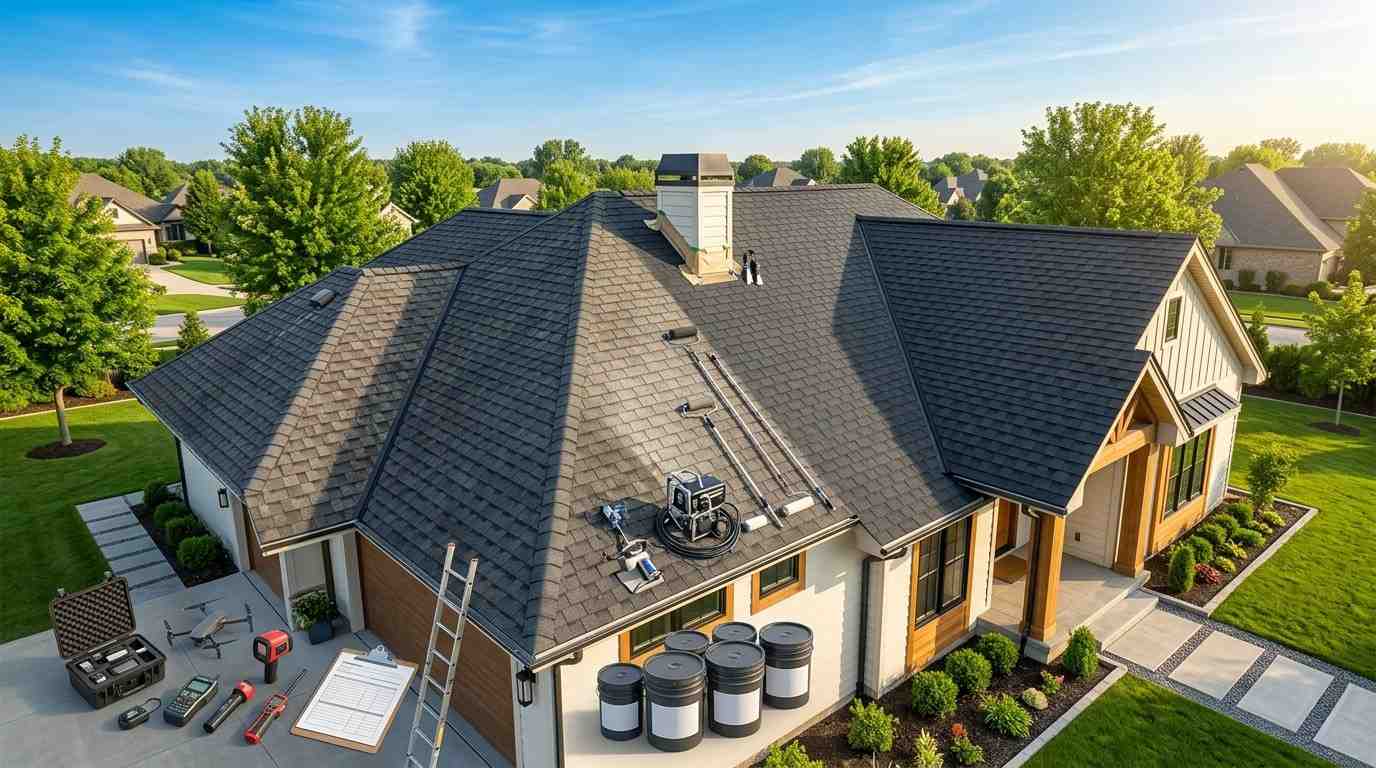
Preparation begins with a thorough roof inspection to identify any shingles that need to be replaced or repaired before coating. The entire roof surface is then cleaned typically with a low-pressure wash or chemical cleaning solution to remove algae, moss, dirt, and oxidation residue. Any loose granules are removed, and damaged shingles are replaced or spot-repaired before the coating process begins. Proper surface preparation typically adds time and cost to a project, but it is the single most important factor in coating adhesion and long-term performance.Application Methods: Spray, Roll, and Brush
Asphalt shingle coatings can be applied by airless sprayer, roller, or brush depending on the product viscosity, roof pitch, and project scope. Spray application is the most efficient method for large, low-pitch roofs and produces the most uniform coverage. Roller application is common on steeper pitches where spray overspray is a concern. Brush application is typically reserved for detail work around penetrations, valleys, and edges. Most professional applications use a combination of methods spray or roll for the field area and brush for perimeter and detail work.Cure Time, Bonding, and Weather Windows
Most acrylic and elastomeric coatings require a minimum of 24 to 48 hours of dry weather after application to cure properly. Temperature also matters most products specify application temperatures between 50 and 90 degrees Fahrenheit, which in Austin means avoiding the peak summer heat of July and August for optimal results. Rain within the cure window can wash uncured coating off the surface entirely. Understanding the application process at a surface level helps homeowners ask better questions and set realistic expectations our in-depth guide on how roof coating is applied covers every stage from surface prep and priming through final cure, including weather windows and contractor best practices.Types of Asphalt Shingle Roof Coatings
Not all roof coatings are formulated for asphalt shingles, and not all asphalt shingle coatings perform equally across different climate conditions and shingle deterioration profiles. Understanding the major coating categories helps homeowners evaluate contractor recommendations and make informed product decisions. The three primary categories used on residential asphalt shingle roofs are acrylic elastomeric coatings, reflective and cool roof coatings, and asphalt emulsion coatings. Each has distinct performance characteristics, application requirements, and cost profiles.Acrylic Elastomeric Coatings
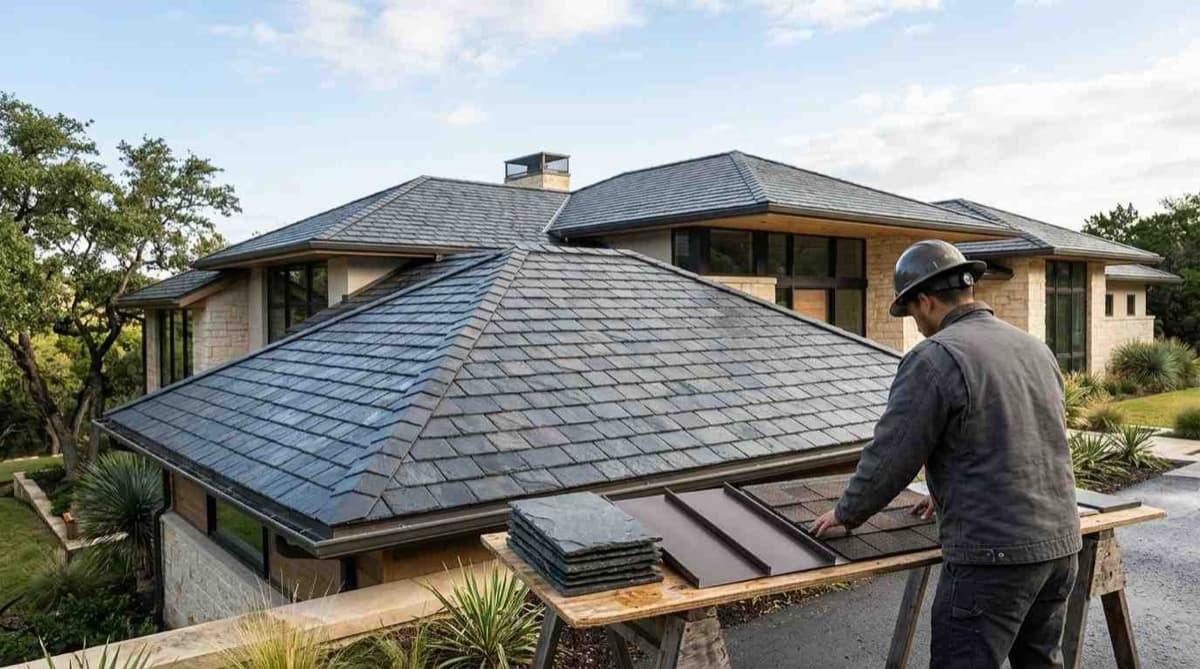
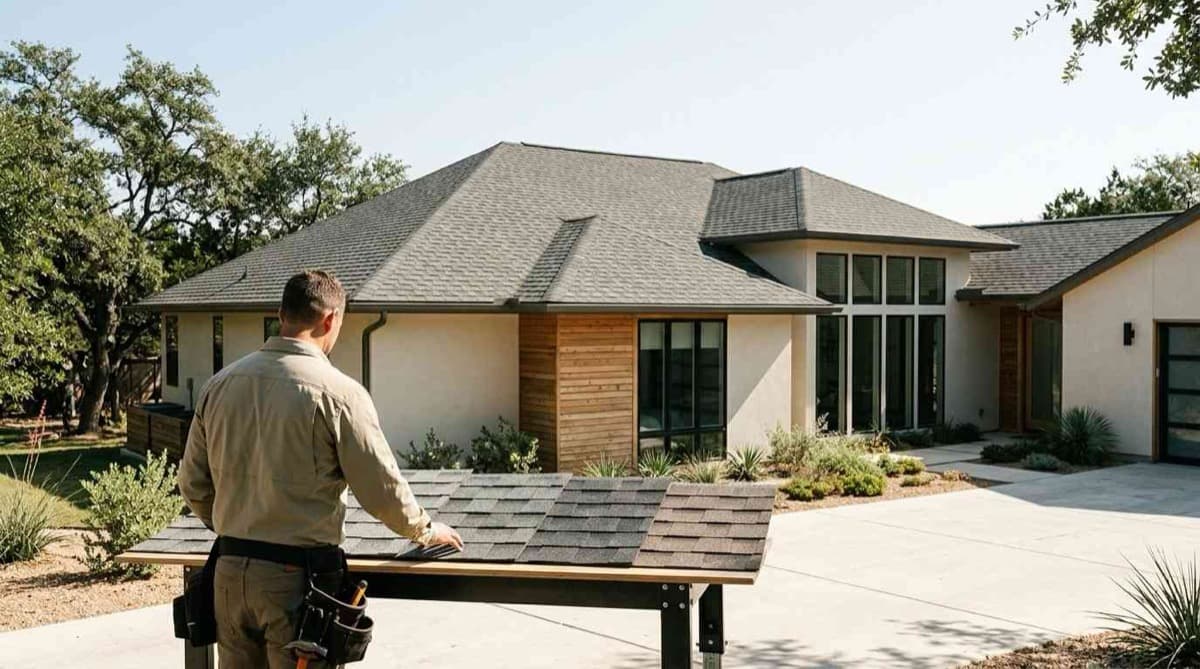
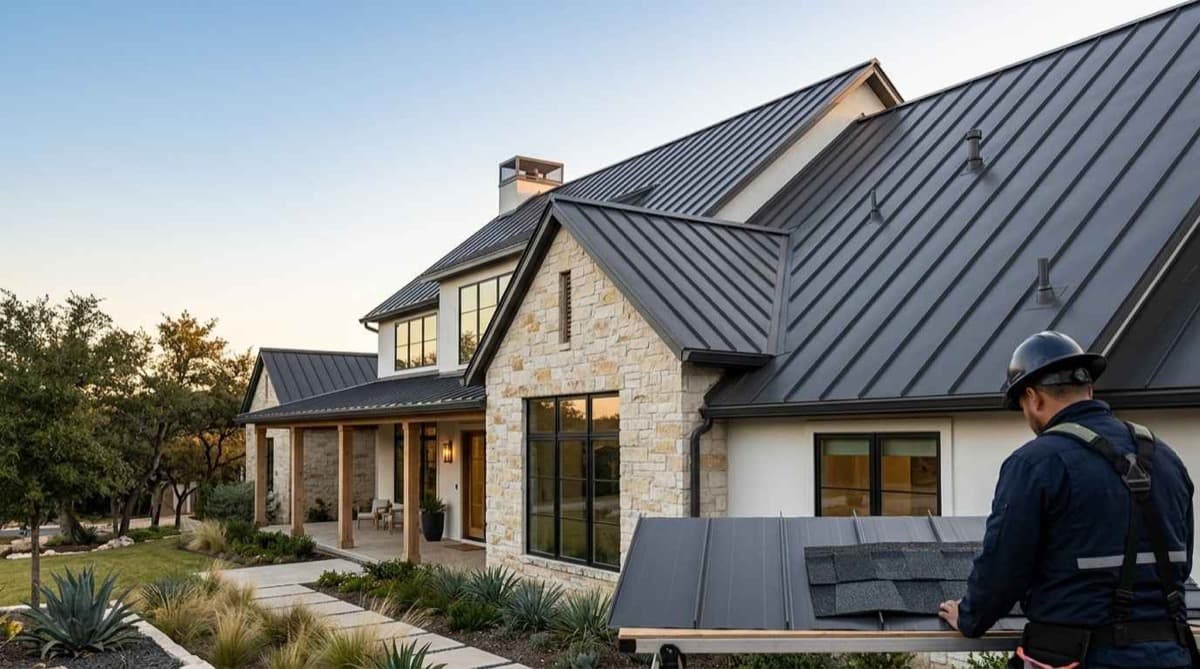
Acrylic elastomeric coatings are the most widely used category for residential asphalt shingle restoration. They cure to a flexible, rubber-like film that stretches and recovers with thermal movement, making them well-suited to climates with significant temperature swings. They are water-based, low-VOC, and available in a range of colors including white and light gray, which provide meaningful solar reflectance benefits in hot climates like Austin. Acrylic elastomeric products typically offer the best balance of performance, cost, and ease of application for most residential shingle coating projects. They are compatible with most asphalt shingle types and adhere well to properly prepared surfaces.Reflective and Cool Roof Coatings
Reflective coatings are specifically formulated to maximize solar reflectance and thermal emittance the two properties measured by the Cool Roof Rating Council (CRRC) to quantify a coating’s energy performance. White and light-colored reflective coatings can reflect 65 to 85 percent of solar radiation, reducing roof surface temperatures by as much as 50 to 60 degrees Fahrenheit compared to uncoated dark shingles. In Austin’s climate, where summer cooling loads are substantial, a reflective coating can produce measurable reductions in air conditioning energy consumption. The U.S. Department of Energy estimates that cool roofs can reduce cooling energy use by 10 to 15 percent in hot climates, though actual savings depend on insulation levels, HVAC efficiency, and building orientation.Asphalt Emulsion and Fibered Coatings
Asphalt emulsion coatings are water-based products that reintroduce asphalt compounds directly into the shingle surface, restoring the original material composition more closely than film-forming acrylics. Fibered versions incorporate chopped fiberglass or polyester fibers that add tensile strength and bridging capability over minor cracks and surface voids. Asphalt emulsion products are typically black or dark gray, which limits their reflectance value but makes them a practical choice for homeowners prioritizing material compatibility and crack-bridging performance over energy efficiency. They are generally lower in cost than acrylic elastomeric products but may require more frequent reapplication. Choosing the right coating product for your specific roof condition and climate is one of the most consequential decisions in any restoration project our full breakdown of types of asphalt shingle coatings compares every major formulation category, including performance data, ideal use cases, and compatibility with Austin’s heat and UV exposure levels.Benefits of Coating an Aging Asphalt Shingle Roof
The decision to coat rather than replace an aging asphalt shingle roof is fundamentally a value calculation. When the roof structure is sound and the shingles are deteriorating at the surface level rather than failing structurally, coating delivers a compelling combination of cost savings, performance restoration, and extended service life. The benefits operate across three dimensions: structural longevity, energy performance, and weather resilience.Extended Roof Lifespan and Deferred Replacement
A professionally applied coating system can extend the functional life of an aging asphalt shingle roof by five to fifteen years depending on the product used, the quality of surface preparation, and the maintenance schedule followed after application. For a homeowner facing a roof that has five to eight years of remaining life under normal conditions, a coating project can defer a full replacement by a decade or more at a fraction of the replacement cost. The financial logic is straightforward: a coating project typically costs 20 to 30 percent of what a full replacement would cost on the same roof. Deferring replacement by ten years while maintaining the roof’s protective function represents significant capital preservation.Energy Efficiency and Reduced Cooling Costs in Austin, TX
Austin’s climate places exceptional thermal stress on roofing systems. Summer temperatures regularly exceed 100 degrees Fahrenheit, and dark asphalt shingles can reach surface temperatures of 150 to 170 degrees Fahrenheit under direct sun exposure. A reflective coating reduces that surface temperature substantially, which reduces heat transfer into the attic and living space below. The Lawrence Berkeley National Laboratory has documented that cool roof coatings in hot climates produce measurable reductions in peak cooling demand a particularly relevant benefit for Austin homeowners whose summer utility bills are among the highest in the state.Waterproofing, UV Protection, and Storm Resilience
A properly applied coating creates a continuous, seamless membrane over the shingle surface that improves water shedding, seals minor surface voids, and provides a UV-resistant barrier that slows the ongoing degradation of the underlying asphalt. In a region where hailstorms, heavy rain events, and high winds are seasonal realities, that added surface resilience has practical protective value beyond energy performance. The full value of a coating project extends well beyond surface protection our detailed resource on the benefits of roof coating for aging shingles quantifies the energy savings, lifespan extension, and storm resilience gains that Austin homeowners can realistically expect from a professionally applied coating system.Asphalt Shingle Roof Coating Cost in Austin, TX
Understanding what a roof coating project costs in Austin requires separating the variables that drive price from the baseline ranges that give homeowners a realistic starting point. Coating costs are influenced by roof size, pitch, condition, product selection, and local labor rates and Austin’s roofing labor market has its own pricing dynamics shaped by demand, climate, and contractor availability. The good news for homeowners is that coating is consistently less expensive than replacement, and the cost-per-year-of-protection calculation almost always favors coating when the roof structure is sound.Cost Per Square Foot and Total Project Ranges
Asphalt shingle roof coating in Austin typically ranges from $0.75 to $2.50 per square foot for materials and labor combined, depending on product type and project complexity. For a standard 2,000-square-foot home with a moderately pitched roof, total project costs generally fall between $1,500 and $5,000. Premium elastomeric or reflective coating systems on larger or more complex roofs can reach $6,000 to $8,000 or more. These ranges reflect professionally applied systems with proper surface preparation included. DIY coating kits are available at lower material costs, but the labor savings are often offset by inferior surface preparation, inconsistent application, and voided manufacturer warranties.Factors That Affect Coating Cost
Several variables move a project toward the higher or lower end of the cost range:- Roof size and pitch: Steeper roofs require more labor time and safety equipment, increasing cost per square foot.
- Surface condition: Roofs requiring extensive cleaning, spot repairs, or primer application before coating add preparation costs.
- Product selection: Premium elastomeric and reflective coatings carry higher material costs than standard acrylic or asphalt emulsion products.
- Number of coats: Most professional applications specify two coats for full coverage and warranty compliance, which affects both material and labor costs.
- Contractor experience and warranty terms: Established contractors with manufacturer certifications typically charge more but provide stronger warranty coverage and more reliable application quality.
Coating Cost vs. Full Roof Replacement Cost
A full asphalt shingle roof replacement in Austin typically costs between $8,000 and $20,000 or more depending on roof size, pitch, material grade, and tear-off requirements. At those price points, a coating project that extends the roof’s life by ten years at a cost of $2,000 to $5,000 represents a compelling financial alternative particularly for homeowners who are not yet ready to commit to a full replacement investment. Budgeting accurately for a coating project requires understanding how local labor rates, roof size, pitch, and product selection interact our complete pricing guide for roof coating cost in Austin breaks down every cost variable with current Austin-area pricing ranges so homeowners can plan with confidence before requesting a quote.Roof Coating vs. Roof Replacement: How to Decide
The coating-versus-replacement decision is one of the most consequential choices an Austin homeowner faces when dealing with an aging roof. It is also one of the most frequently misunderstood because the right answer depends on a specific set of structural, financial, and practical factors that vary from roof to roof. Neither option is universally correct. The goal is to match the intervention to the actual condition of the roof and the homeowner’s long-term objectives.Age and Structural Integrity Thresholds
Asphalt shingle roofs have a typical service life of 20 to 30 years depending on material grade, installation quality, and climate exposure. A roof in the 10-to-18-year range with surface-level deterioration but sound structural integrity is generally a strong candidate for coating. A roof approaching or exceeding 25 years with multiple layers of shingles, compromised decking, or widespread shingle failure is typically a replacement candidate regardless of surface condition. The structural integrity of the roof deck the plywood or OSB substrate beneath the shingles is the most important factor in this assessment. Coating cannot address deck rot, sagging, or moisture intrusion at the structural level.Damage Type and Extent Assessment
The type and extent of damage determines whether coating is a viable solution. Surface oxidation, minor granule loss, and early-stage cracking are conditions that coating addresses effectively. Active leaks, missing shingles, hail damage that has compromised the shingle mat, and widespread delamination are conditions that require repair or replacement before coating can be considered and in many cases, they indicate that replacement is the more appropriate solution. A professional roof inspection is the only reliable way to make this determination. Visual assessment from the ground is insufficient for evaluating deck condition, underlayment integrity, or the extent of subsurface damage.Long-Term Value Comparison
When the structural conditions support coating, the long-term value comparison almost always favors coating as the first intervention. Coating at year 15 of a 25-year roof life, then replacing at year 25 or 28, produces a better total cost of ownership than replacing at year 15 and absorbing the full replacement cost a decade earlier than necessary. The decision between coating and replacing a roof is one of the most financially significant choices a homeowner faces our side-by-side analysis of roof coating vs full replacement walks through every decision factor, from structural integrity thresholds and damage type to long-term ROI and insurance implications.How Long Does Asphalt Shingle Roof Coating Last?
Lifespan is one of the first questions homeowners ask about roof coating, and the honest answer is that it depends on three interacting variables: the coating product used, the quality of the application, and the climate conditions the coating is exposed to after installation. In Austin’s climate characterized by intense UV radiation, high summer temperatures, periodic hailstorms, and significant thermal cycling coating durability is at the lower end of manufacturer-stated ranges compared to milder climates. That is not a reason to avoid coating; it is a reason to select the right product and plan for appropriate maintenance intervals.Lifespan by Coating Type
Acrylic elastomeric coatings applied professionally to properly prepared surfaces typically last 7 to 12 years before recoating is recommended. Reflective coatings in the same category perform similarly, though their reflectance value may degrade somewhat faster in high-UV environments. Asphalt emulsion coatings generally have shorter effective lifespans of 3 to 7 years and require more frequent reapplication to maintain protective performance. These ranges assume two-coat professional application, proper surface preparation, and routine maintenance inspections every two to three years.Austin Climate Factors That Affect Coating Durability
Austin’s climate accelerates coating wear in specific ways. UV intensity at this latitude is high year-round, which degrades acrylic binders and reduces reflectance values over time. Thermal cycling the daily and seasonal temperature swings between cool nights and hot days stresses the coating film and can cause micro-cracking in products with insufficient elastomeric flexibility. Hailstorms, which are a regular seasonal occurrence in Central Texas, can mechanically damage coating surfaces and create entry points for moisture. Selecting a coating product with high elastomeric flexibility and strong UV resistance is particularly important for Austin homeowners compared to those in cooler or less UV-intense climates.Recoating Schedules and Maintenance Intervals
Most coating manufacturers recommend a professional inspection every two to three years and recoating when the coating film shows signs of chalking, cracking, or loss of adhesion. In Austin’s climate, a proactive recoating schedule at the seven-to-ten-year mark is a reasonable planning assumption for acrylic elastomeric systems. Lifespan expectations vary significantly by product type, application quality, and local climate conditions our dedicated guide on how long roof coating lasts covers realistic durability ranges for every major coating category, recoating schedules, and the specific Austin weather factors that accelerate or extend coating performance.Roof Coating and Your Homeowner’s Insurance in Texas
Insurance coverage for roof coating and restoration work in Texas is a nuanced topic that many homeowners do not fully understand until they are in the middle of a claim or a contractor conversation. The relationship between roof coating, insurance coverage, and claims outcomes is worth understanding before a project begins not after. Texas homeowners insurance policies vary significantly in how they treat roof age, condition, and restoration work, and the decisions you make about your roof can affect your coverage options and premium costs.Does Insurance Cover Roof Coating?
Standard homeowners insurance policies in Texas do not typically cover elective roof coating or restoration projects. Insurance is designed to cover sudden, accidental damage not gradual deterioration or preventive maintenance. A coating project undertaken to restore an aging roof is generally considered a maintenance expense and is not reimbursable under most policies. However, if a roof coating is applied as part of a repair following a covered storm damage event for example, if hail damage requires partial shingle replacement and the contractor recommends coating the repaired area to restore surface continuity that work may be covered as part of the broader claim. The specifics depend on your policy language and your insurer’s claims handling practices.How Coating Affects Claims and Roof Condition Ratings
Some Texas insurers have begun using roof condition ratings and age-based depreciation schedules that affect coverage terms and premium pricing. A well-maintained roof with documented coating and inspection history may be viewed more favorably during underwriting or claims assessment than a neglected roof of the same age. Maintaining records of coating applications, inspection reports, and contractor invoices is a practical step that supports your position in any future claims conversation. Navigating insurance coverage for roof restoration work in Texas requires understanding how carriers assess roof condition and what documentation they require our full guide on roof coating and Texas homeowners insurance explains what is and is not typically covered, how coating affects your claims history, and what to document before and after a coating project.Hiring a Roof Coating Contractor in Austin, TX
The quality of a roof coating project is determined as much by the contractor who applies it as by the product used. Surface preparation shortcuts, incorrect product selection, improper application thickness, and inadequate cure time management are all contractor-driven failures that produce premature coating breakdown and they are common enough that choosing the right contractor deserves as much attention as choosing the right coating. Austin’s roofing market includes a wide range of contractors, from established full-service roofing companies to seasonal crews with limited coating-specific experience. Knowing how to evaluate them protects your investment.What to Look for in a Qualified Roofing Contractor
A qualified roof coating contractor in Austin should hold a valid Texas contractor license, carry general liability insurance and workers’ compensation coverage, and be able to provide references from completed coating projects in the area. Manufacturer certification or training for the specific coating product they recommend is a meaningful differentiator it indicates that the contractor has been trained on proper application procedures and is eligible to offer manufacturer-backed warranty coverage. Experience with asphalt shingle coating specifically matters. Contractors who primarily work with flat commercial roofing systems or metal roofs may not have the product knowledge or technique refinement that residential shingle coating requires.Questions to Ask Before Signing a Contract
Before committing to a contractor, homeowners should ask:- What specific coating product do you recommend, and why is it appropriate for my roof’s condition and age?
- What does your surface preparation process include, and how long will it take?
- How many coats will you apply, and what is the dry film thickness per coat?
- What warranty do you offer on your workmanship, and what does the manufacturer warranty cover?
- What weather conditions will delay or cancel the project, and how do you handle scheduling around Austin’s weather patterns?