What Type of Roof Adds the Most Value to a Home?

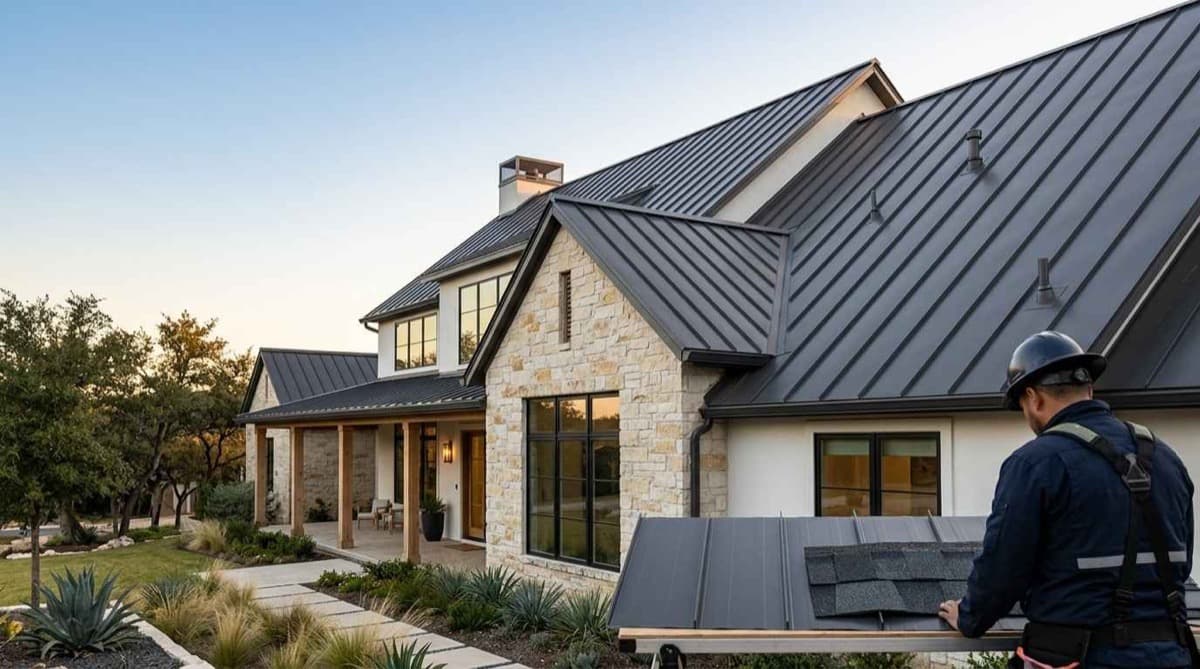
Modern Austin home with a premium standing seam metal roof, illustrating a roofing system that enhances curb appeal, durability, and long-term property value.Metal roofing consistently delivers the strongest return on investment, but architectural asphalt shingles, slate, and tile all add measurable value depending on your home, your market, and your budget.

Your roof is one of the first things a buyer sees and one of the first things an inspector flags. Getting it right before you sell  or simply to protect your investment long-term  is one of the smartest decisions a homeowner makes.

In this guide, I cover the top roof types by value added, the factors that shape ROI, and what Austin homeowners specifically need to know before choosing.

Why Your Roof Type Affects Home Value More Than You Think

Most homeowners think of a roof as a maintenance item. Buyers and appraisers think of it as a risk signal.

A roof in poor condition  or made from a material with a short remaining lifespan  can kill a deal, trigger a price reduction, or push a buyer to walk. A roof in excellent condition, made from a durable material, does the opposite: it builds buyer confidence and supports a stronger appraisal.

According to the National Association of Realtors, a new roof ranks among the top exterior projects for both cost recovery and buyer appeal. It is not just cosmetic. It signals structural integrity, reduced future costs, and move-in readiness  all things buyers pay a premium for.

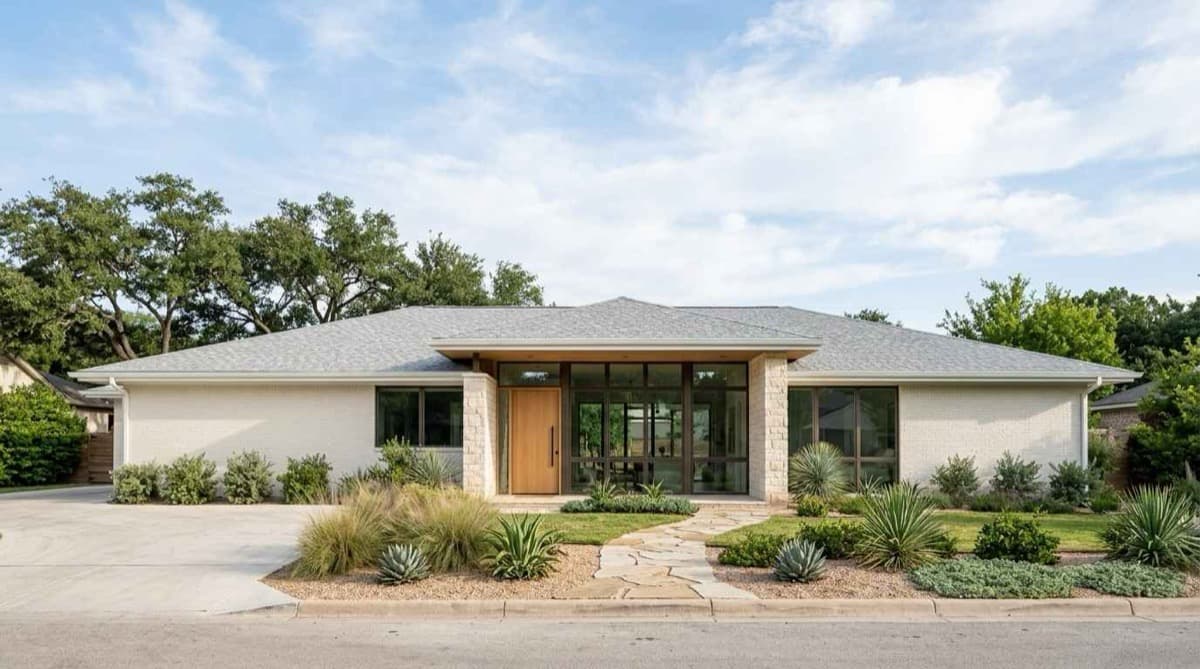
Curb appeal matters too. The roof covers roughly 40% of a home’s visible exterior. The material, color, and condition shape a buyer’s first impression before they ever step inside.

The Roof Types That Add the Most Value

Not all roofing materials are equal when it comes to resale. Here is how the top options stack up.

Metal Roofing

Metal roofing is the strongest performer for long-term home value. Remodeling Magazine’s Cost vs. Value Report consistently shows metal roofing among the highest-ROI exterior upgrades, with homeowners recouping a significant portion of installation costs at resale.

The lifespan is the main driver. A properly installed metal roof lasts 40 to 70 years  sometimes longer. Buyers and appraisers factor that remaining lifespan directly into perceived value.

In Austin, metal roofing also earns points for climate performance. It reflects UV radiation, sheds heat efficiently, and holds up well against the hail events that hit Central Texas every year. That combination of durability and energy efficiency makes it a strong choice for homeowners here.

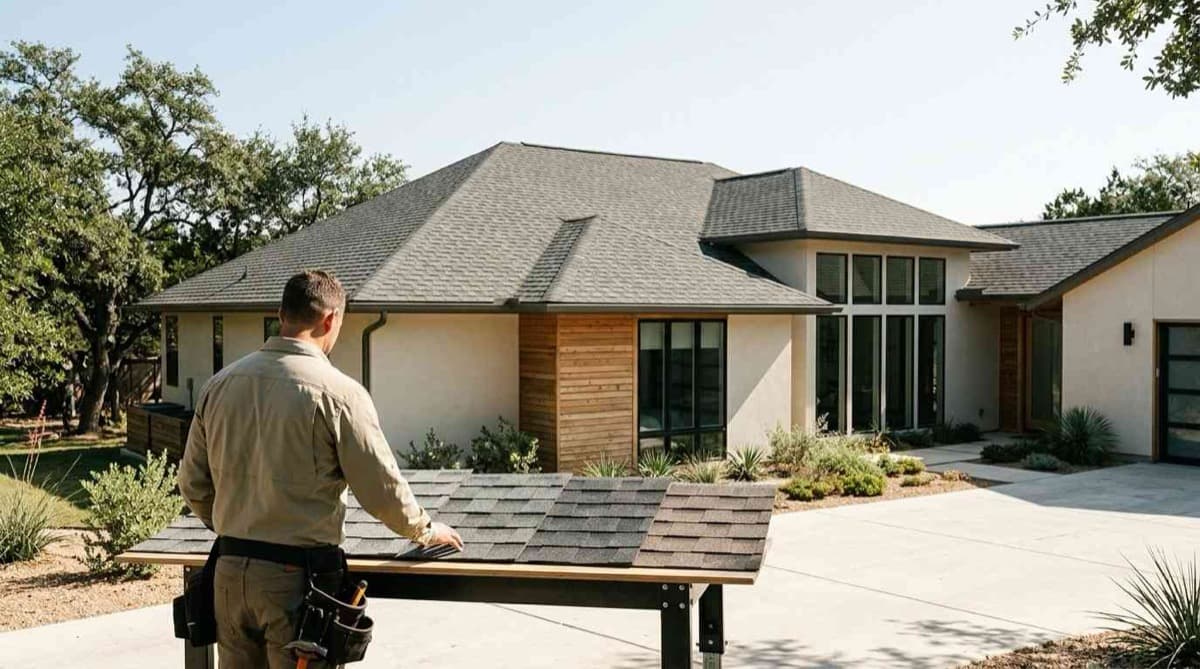
Architectural Asphalt Shingles

Architectural shingles  also called dimensional shingles  are the most widely installed roofing material in the U.S., and that familiarity works in their favor at resale.

Buyers recognize them. Inspectors know what good condition looks like. And the cost-to-value ratio is hard to beat: architectural shingles deliver solid curb appeal and a 25 to 30-year lifespan at a fraction of the cost of metal or slate.

For most Austin homeowners, a quality architectural shingle roof is the practical sweet spot  enough value added to satisfy buyers without the premium price tag of higher-end materials.

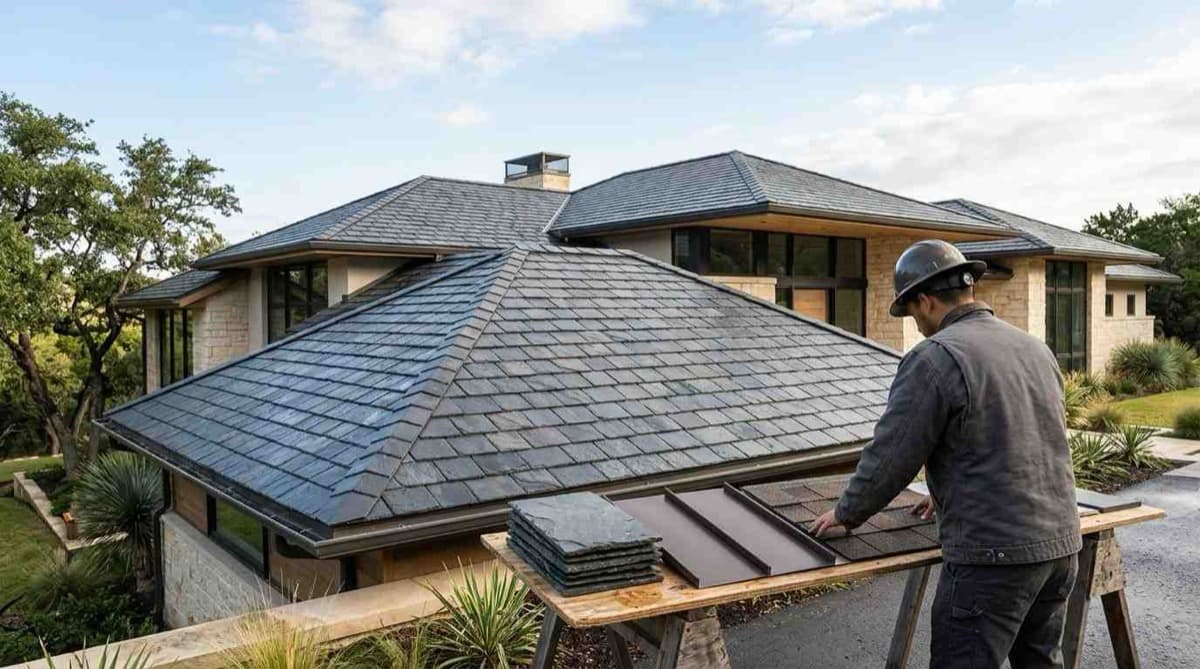
Slate Roofing

Slate is the premium tier. A natural slate roof can last over 100 years, and in the right market, it commands a price premium that reflects that longevity.

The challenge is that slate works best in luxury segments. In a neighborhood where comparable homes have asphalt shingles, installing slate may not recover its full cost at resale. The material also requires reinforced structural support due to its weight, which adds to installation complexity.

Where it fits  high-end homes, historic properties, premium Austin neighborhoods  slate adds genuine, lasting value that buyers in that market actively seek.

Tile Roofing (Clay or Concrete)

Tile roofing is a natural fit for Texas. Clay and concrete tiles handle heat, UV exposure, and hail better than most materials, and their aesthetic aligns well with the Spanish, Mediterranean, and Southwest architectural styles common across Austin and the surrounding Hill Country.

A tile roof typically lasts 50 years or more. Energy efficiency is another advantage  tile’s natural air gap beneath the surface reduces heat transfer into the home, which matters in a market where summer cooling costs are a real concern.

For Austin homeowners in neighborhoods where tile is already common, a tile roof replacement supports strong appraisal comparables and buyer expectations.

Factors That Determine How Much Value a Roof Adds

The material is only part of the equation. These factors shape how much value any roof actually delivers.

Material quality and current condition. A high-end material in poor condition adds less value than a mid-range material in excellent shape. Buyers and inspectors look at both.

Age at time of sale. A 5-year-old architectural shingle roof adds more value than a 20-year-old one, even if both are technically functional. Remaining lifespan is a direct value input.

Neighborhood comparables. Appraisers work from comps. A roof material that exceeds neighborhood norms may not recover its full cost. One that matches or slightly exceeds the standard adds clean, defensible value.

Energy efficiency ratings. ENERGY STAR-certified roofing products can reduce cooling costs and qualify for tax credits, both of which translate to buyer appeal and measurable value in energy-conscious markets like Austin.

Installation quality and warranty. A roof installed by a licensed, insured contractor with a transferable manufacturer’s warranty is worth more than the same material installed without one. Buyers ask about warranties. A transferable warranty is a direct value transfer.

Roof Replacement vs. Repair  Which Adds More Value?

This is one of the most common questions I hear from homeowners preparing to sell.

The honest answer: it depends on the roof’s current condition and age. A roof with 10 or more years of remaining life and no major issues benefits from targeted repairs  fixing flashing, replacing damaged shingles, clearing debris. That keeps the roof in buyer-ready condition without the cost of full replacement.

A roof that is aging out, showing widespread wear, or likely to flag on a buyer’s inspection is a different situation. Buyers routinely use a failing roof as leverage to negotiate price reductions that exceed the cost of replacement. Replacing it first removes that leverage and supports a cleaner, faster sale.

The National Roofing Contractors Association recommends professional inspection before any major roofing decision. An inspection gives you an honest picture of what you are actually working with  and that picture determines whether repair or replacement is the smarter investment.

What Austin Homeowners Should Know Before Choosing a Roof

Austin’s climate creates specific demands that should shape every roofing decision.

Heat and UV exposure are relentless here. Materials that reflect rather than absorb solar radiation  metal, tile, and certain architectural shingle lines  perform better and cost less to live under long-term. Hail is the other major factor. Central Texas sits in a hail-prone corridor, and impact-resistant roofing materials rated Class 3 or Class 4 can reduce insurance premiums while adding genuine durability value.

HOA requirements and neighborhood aesthetic standards matter too. Some Austin communities restrict material types or color ranges. Choosing a material that conflicts with those standards creates problems at resale, not value.

Finally, contractor selection directly affects the value a new roof delivers. A roof is only as good as its installation. Working with a licensed, insured roofing contractor who offers a transferable manufacturer’s warranty protects your investment and gives future buyers confidence in what they are buying.

Conclusion

Metal roofing leads on ROI, slate leads on longevity, and architectural shingles lead on cost-to-value  but the right answer depends on your home, your neighborhood, and your goals.

In Austin’s market, climate performance and buyer expectations both shape which materials deliver the strongest return. Getting that match right is the difference between a roof that adds value and one that simply covers the house.

At Tarrytown Roofing, we help Austin homeowners make that call with confidence. Reach out today and let’s talk through the right roofing solution for your home and your goals.

Frequently Asked Questions

What roof material has the best ROI?

Metal roofing consistently delivers the strongest ROI among all roofing materials. Its 40 to 70-year lifespan, energy efficiency, and durability make it a compelling investment for homeowners focused on long-term value and resale performance.

Does a new roof increase home appraisal value?

Yes. A new roof in good condition  especially one made from a durable material with remaining lifespan  supports a stronger appraisal by reducing perceived risk and improving comparables. The impact varies by material, age, and neighborhood.

How much value does a metal roof add to a home?

The value added depends on the market, but metal roofing is consistently among the top-performing exterior upgrades for cost recovery at resale. Its longevity and energy efficiency make it particularly attractive to buyers in markets like Austin.

Is it worth replacing a roof before selling a house?

It depends on the roof’s condition and age. A roof likely to flag on inspection or trigger buyer negotiation is worth replacing before listing. A roof with significant remaining life in good condition benefits more from targeted repairs.

What is the longest-lasting roof type?

Natural slate is the longest-lasting roofing material, with a lifespan exceeding 100 years when properly installed and maintained. Metal roofing follows at 40 to 70 years, and tile at 50 or more years.

Does roof color affect home value?

Roof color has a modest effect on value. Lighter colors reflect heat and can reduce cooling costs, which matters in Austin’s climate. More importantly, color should complement the home’s exterior and align with neighborhood norms to support buyer appeal

WHY WAIT! GET A FREE ESTIMATE & CONSULTATION