Comparison
Are Class 4 Impact-Resistant Shingles Worth It in Austin?
Published 2026-07-17T00:00:00+00:00
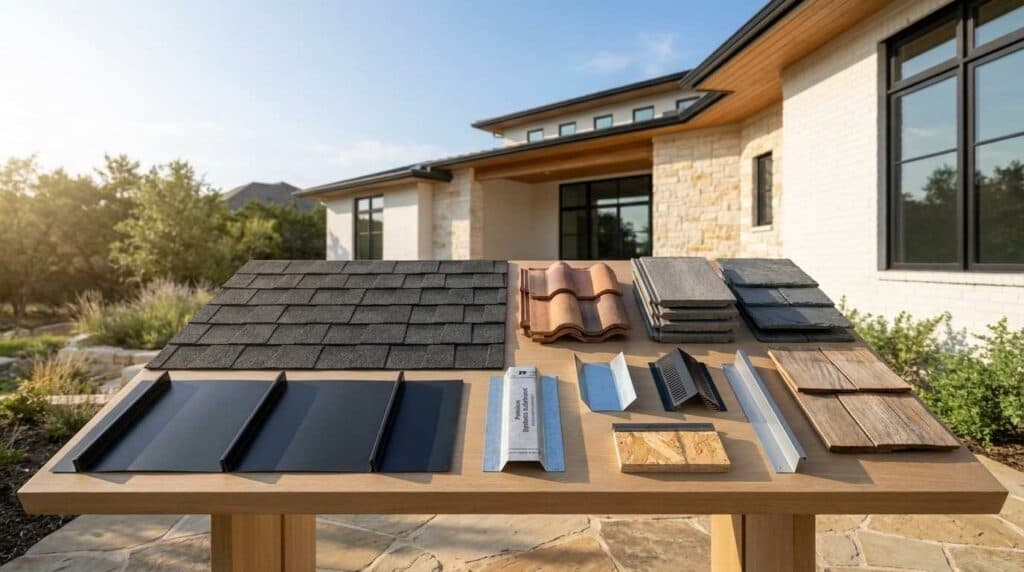
Class 4 impact-resistant shingles cost 15-25% more than standard architectural shingles but typically qualify for a 5-15% homeowner's insurance premium reduction in Texas, most Austin homeowners recover the extra cost within 3-6 years while getting a roof rated for 2-inch hail impact.
Class 4 impact-resistant shingles cost 15-25% more than standard architectural shingles but typically qualify for a 5-15% homeowner's insurance premium reduction in Texas, most Austin homeowners recover the extra cost within 3-6 years while getting a roof rated for 2-inch hail impact. The math is strongest for homeowners in Cedar Park, Round Rock, Georgetown, and Pflugerville where hail cell frequency is higher than in central Austin.
What is a Class 4 impact rating?
Class 4 is the highest impact rating in the UL 2218 shingle-durability standard. UL 2218 fires a 2-inch steel ball at the shingle from 20 feet; a Class 4 shingle takes the impact without cracking the shingle mat or losing meaningful granule coverage. Class 3 shingles are tested with a 1.75-inch ball; Class 2 with 1.5-inch; Class 1 with 1.25-inch. In Central Texas hail terms, Class 4 handles hail up to golf-ball size without functional damage.
Which manufacturers offer Class 4 shingles?
All major manufacturers have Class 4 lines: Malarkey Vista, GAF Timberline HDZ RS, Owens Corning Duration Storm, CertainTeed Landmark ClimateFlex, and IKO Nordic. Most Central Texas installers we work with default to Malarkey Vista for the combination of hail rating, algae resistance, and 30-year manufacturer warranty coverage.
How much more do Class 4 shingles cost in Austin?
On a typical 25-square (2,500 sq ft) Austin home, standard architectural shingle installed runs $10,000 to $15,000; Class 4 impact-rated shingle runs $12,000 to $18,000, a 15% to 25% premium. The premium is per-square material cost; labor and tear-off are the same.
How much insurance premium reduction do Class 4 shingles earn in Texas?
Most Texas homeowner's insurance carriers offer a Class 4 credit of 5% to 15% on the roof portion of the premium, depending on carrier and specific policy. On an average Austin homeowner premium of $2,500-$4,500 annually, that works out to $125-$675 per year in savings. Payback on the $2,000-$3,000 material premium is typically 3 to 6 years, well within the 20-25 year roof lifespan.
Which insurance carriers offer the Class 4 credit?
Almost all major Texas carriers offer some version: State Farm, Allstate, USAA, Farmers, Nationwide, Liberty Mutual, Amica, and most Texas-specific carriers (Homeowners of America, Republic State, etc.). The credit size varies, USAA and Amica tend to offer larger credits (10-15%); State Farm and Allstate tend to be at the 5-10% range. Ask your agent specifically about the Class 4 impact-rated discount and whether documentation from the roofing contractor is required.
Do I need to provide documentation to claim the credit?
Yes. Most carriers require a certification letter from the roofing contractor stating the specific shingle brand and model, the UL 2218 Class 4 rating, and the installation date. Tarrytown Roofing provides this letter at project close-out at no extra cost. Some carriers also require photos of the manufacturer product wrapper showing the Class 4 stamp, we take those photos during install and include them in the packet.
Are Class 4 shingles worth it in specific Austin submarkets?
The math is strongest in the north and northwest suburbs (Cedar Park, Round Rock, Georgetown, Pflugerville, Leander) where hail cell frequency is 20-40% higher than in central Austin per National Weather Service data. Downtown Austin, Zilker, Travis Heights, and Bouldin Creek see less hail on average, so the payback period stretches to 6-8 years. In Bee Cave, Westlake, and Lakeway, the higher home values mean insurance premiums are higher, which makes the 5-15% credit more valuable in dollar terms even if hail frequency is similar to central Austin.
Are there any downsides to Class 4 shingles?
Very few, and none material for most homeowners. Class 4 shingles are slightly heavier than standard architectural shingles (about 10-15% more per sq ft) which is well within any modern roof structure's design load, no structural work needed. Color palettes are slightly more limited than the full architectural lineup. Warranty terms are typically stronger, not weaker.
Should I upgrade to Class 4 during my next replacement?
Almost always yes if you're in a north-suburb hail zone; usually yes elsewhere; consider it a no-brainer if you're already filing a hail claim (insurance covers the base cost; you only pay the Class 4 material upgrade out of pocket, which pays back even faster). Every Tarrytown Roofing estimate includes a Class 4 option quote so you can see the exact incremental cost and expected insurance savings for your specific policy.
Do Class 4 shingles help me sell my home?
Yes, especially in higher-end Austin submarkets where sophisticated buyers now specifically ask about roof material during due diligence. A Class 4 roof shows up in Zillow and Redfin listing feeds as a value-add, and insurance-eligible upgrades are a common due-diligence question. In Cedar Park, Round Rock, and Georgetown, a Class 4 roof is now approaching table-stakes on newly-listed properties.
How do I get a Class 4 quote from Tarrytown Roofing?
Every roof-replacement inspection includes a Class 4 option quote alongside the standard architectural option. Call (512) 777-1219 or book online, a senior estimator walks the roof, inspects the attic, and provides both quotes within 24 hours so you can compare the exact numbers for your specific policy and home.
Related
Comparison
Shingle vs Metal vs Tile Roofing: Which Is Best for Central Texas?
Asphalt shingle costs $8,000 to $15,000 installed and lasts 15 to 25 years in Central Texas; standing-seam metal runs $18,000 to $45,000 and lasts 40 to 60 years; clay and concrete tile costs $25,000 to $60,000+ and lasts 50+ years. Metal has the best hail resistance and highest energy savings; shingle has the lowest upfront cost; tile has the longest lifespan and highest resale.
Comparison
TPO vs PVC Commercial Roofing: Which Is Right for Austin?
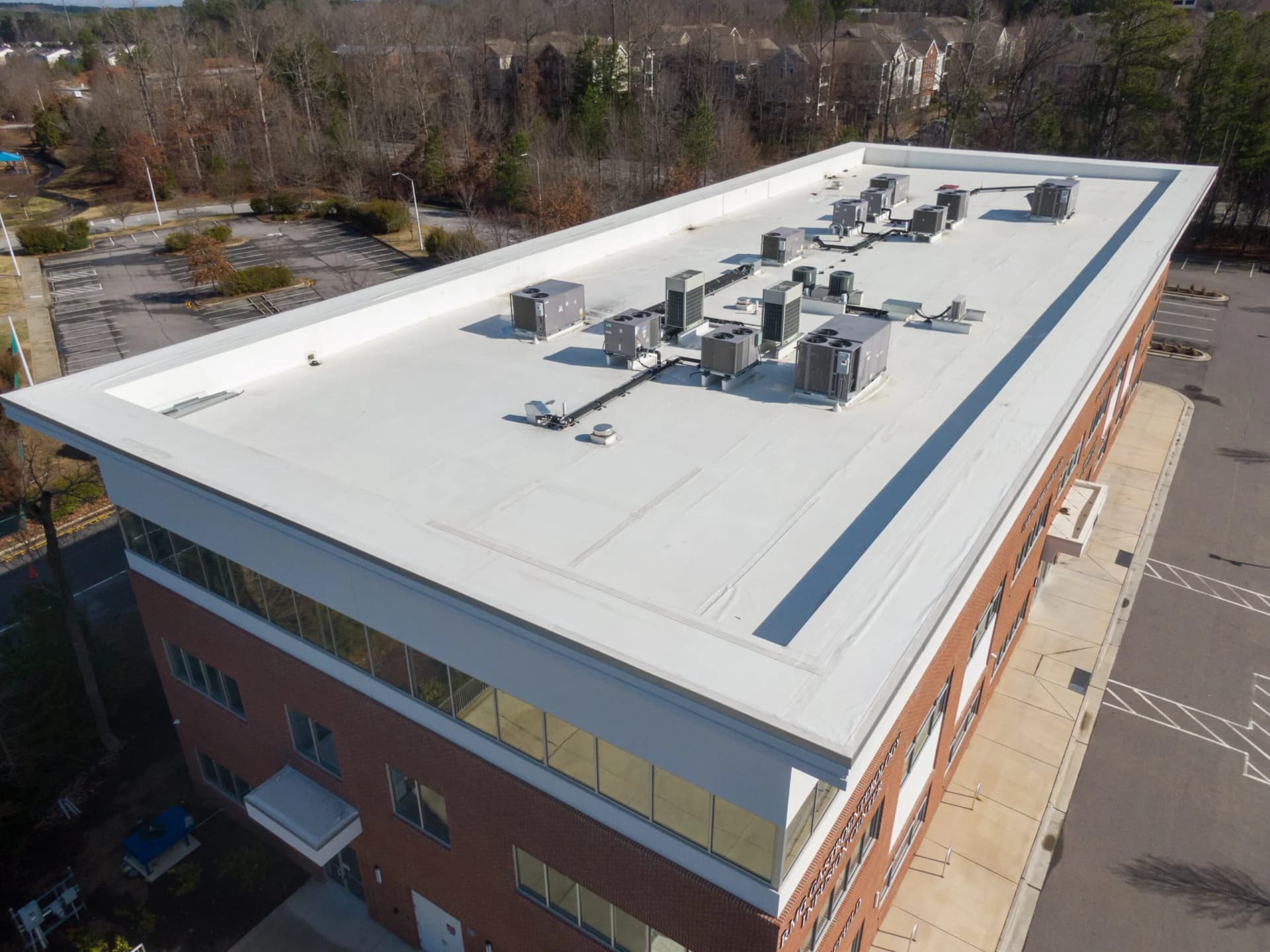
TPO commercial roofing costs $8-$14 per square foot installed and lasts 20-30 years in Central Texas heat; PVC costs $12-$18 per square foot and lasts 30-40 years. TPO wins on upfront cost and reflective energy performance; PVC wins on chemical resistance and long-term durability. Most Austin commercial buildings default to 60-mil TPO for the balance of cost, performance, and lifespan.
Ready for the next step?
Free inspection, real answers, no pressure.