Does Homeowners Insurance Go Down with a Metal Roof?

Modern Austin home with a standing seam metal roof, illustrating how durable metal roofing can improve home protection and potentially reduce homeowners insurance premiums.

Yes, a metal roof can lower your homeowners insurance premium  and for many Austin homeowners, the savings are meaningful enough to factor into the total cost of a roof replacement. Most insurers treat metal roofing as a lower-risk material because it resists fire, wind, and impact better than asphalt shingles. That reduced risk translates directly into reduced premiums.

The question isn’t just whether savings exist. It’s how much, under what conditions, and what you need to do to actually get the discount applied.

I’m going to walk through exactly how insurance companies evaluate metal roofs, what the real numbers look like, and what Austin homeowners specifically need to know about the Texas insurance market.

How Homeowners Insurance Premiums Are Calculated

Insurance companies price your premium based on one core question: how likely is this home to generate a claim, and how expensive will that claim be? Every factor they evaluate feeds into that risk calculation.

Your roof sits near the top of that list. It’s the first line of defense against weather, fire, and structural damage  and it’s one of the most expensive components of a home to repair or replace.

The Role of Roof Material in Risk Assessment

Insurers categorize roofing materials by their resistance to the most common causes of claims. Fire resistance, wind uplift ratings, and impact resistance all factor into how an underwriter classifies your roof.

Asphalt shingles are the most common roofing material in the U.S., and they carry a baseline risk profile. Metal roofing  particularly steel and aluminum  scores significantly better across all three categories. That better score means a lower probability of a claim, which means a lower premium.

Other Factors Insurers Weigh Alongside Roof Type

Roof material is important, but it doesn’t work in isolation. Insurers also look at the age of your roof, the slope and design of your roof structure, your home’s location relative to fire stations, your claims history, and the overall replacement cost of your home.

A brand-new metal roof on a well-maintained home in a low-risk area produces the best premium outcome. An older metal roof on a home with prior claims still benefits from the material classification, but the other factors pull the premium back up.

Does a Metal Roof Actually Lower Your Insurance Premium?

The direct answer is yes  but with an important qualifier. Not every insurer offers a formal metal roof discount, and the ones that do apply it differently. The savings are real, but they aren’t automatic.

Most major insurers that operate in Texas do recognize metal roofing as a preferred material. The discount gets applied either as a named line item on your policy or as a favorable classification that reduces your base rate.

What the Savings Look Like in Real Numbers

Premium discounts for metal roofs typically range from 5% to 35% depending on the insurer, the specific metal roofing product, and your location. According to the Insurance Information Institute, impact-resistant roofing materials are among the most consistently rewarded upgrades in homeowners insurance pricing.

In Texas specifically, where hail and wind claims drive some of the highest insurance costs in the country, the discount for a Class 4 impact-resistant metal roof can reach the higher end of that range. On a $2,400 annual premium, a 20% discount saves $480 per year  and that compounds over the life of the roof.

Why Some Insurers Discount Metal Roofs More Than Others

Insurers that write a high volume of Texas policies have seen firsthand how metal roofs perform after major hail events. Those companies tend to offer the steepest discounts because their own claims data supports it.

Insurers with less Texas exposure may apply a more conservative discount or require additional documentation before adjusting your rate. Shopping your policy after a metal roof installation is worth the time  your current insurer may not be offering the best rate available to you.

What Types of Metal Roofs Qualify for Insurance Discounts?

Not all metal roofs are treated equally by insurers. The material, the installation method, and the impact resistance rating all affect whether a discount applies and how large it is.

Steel and aluminum are the most commonly discounted metals. Copper and zinc roofs are less common in residential applications and may be evaluated differently depending on the insurer.

Standing Seam vs. Metal Shingles  Does It Matter to Insurers?

Standing seam metal roofing and metal shingles are both recognized as metal roofing by most insurers, but standing seam systems often receive a stronger discount. The concealed fastener design of standing seam panels reduces the number of penetration points where wind and water can enter, which lowers the risk profile further.

Metal shingles still qualify for discounts in most cases  they just may not reach the maximum discount tier that standing seam systems can achieve. Ask your insurer specifically how they classify each system before you choose a product.

Class 4 Impact Resistance and Its Effect on Premiums

Class 4 is the highest impact resistance rating under the UL 2218 standard, and it’s the single most important certification for insurance purposes in Texas. A roof that carries a Class 4 rating has been tested to withstand a 2-inch steel ball dropped from 20 feet without cracking or fracturing.

Most metal roofing products qualify for Class 4 certification. The Texas Department of Insurance requires insurers to offer a discount for Class 4 impact-resistant roofing materials  which means in Texas, this discount isn’t optional for insurers. It’s mandated.

How to Actually Get the Discount Applied to Your Policy

Installing a metal roof doesn’t automatically trigger a premium reduction. You have to initiate the process with your insurance company. Most homeowners who don’t take this step leave money on the table for years.

The process is straightforward, but it requires the right documentation. Your insurer needs proof that the roof was installed, what it was made of, and what its certified ratings are.

Documentation Your Insurer Will Ask For

You’ll need the roofing contractor’s invoice or completion certificate showing the material type and installation date. You’ll also need the product’s UL 2218 Class 4 certification documentation, which your roofing contractor should provide at project completion.

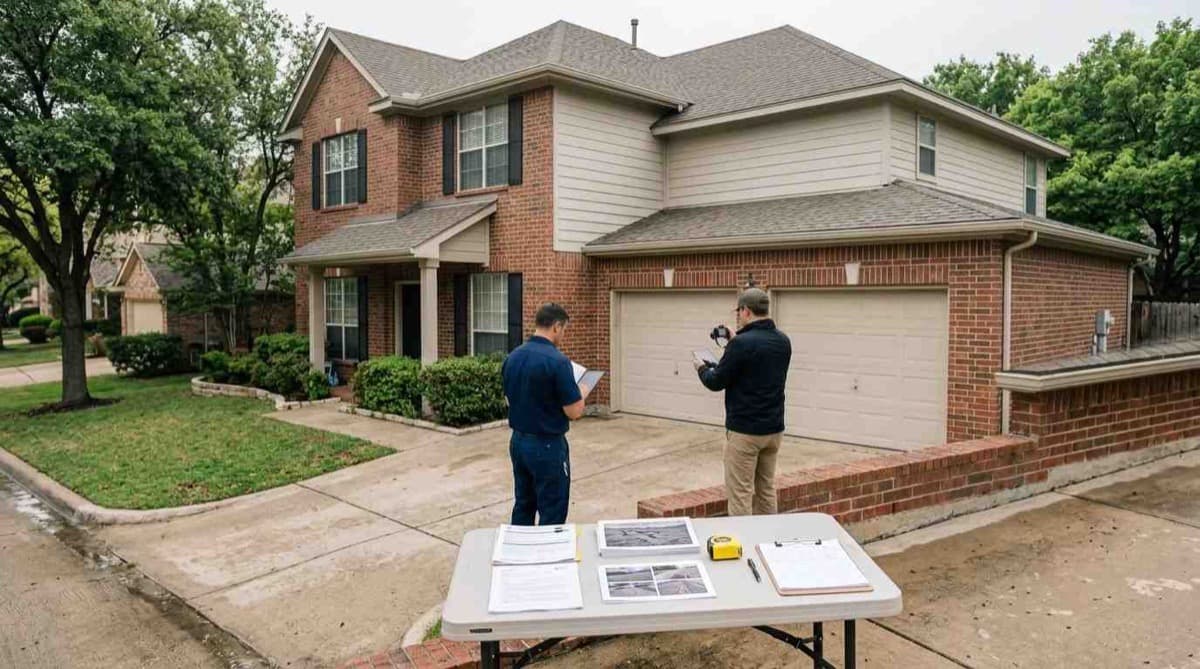
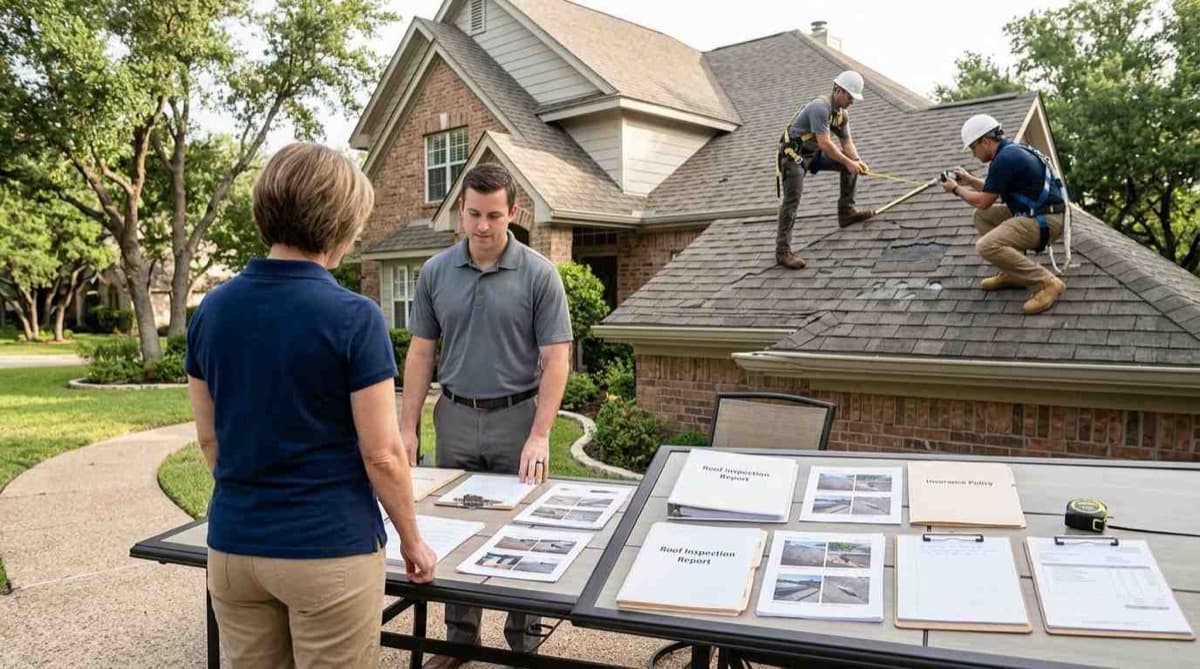
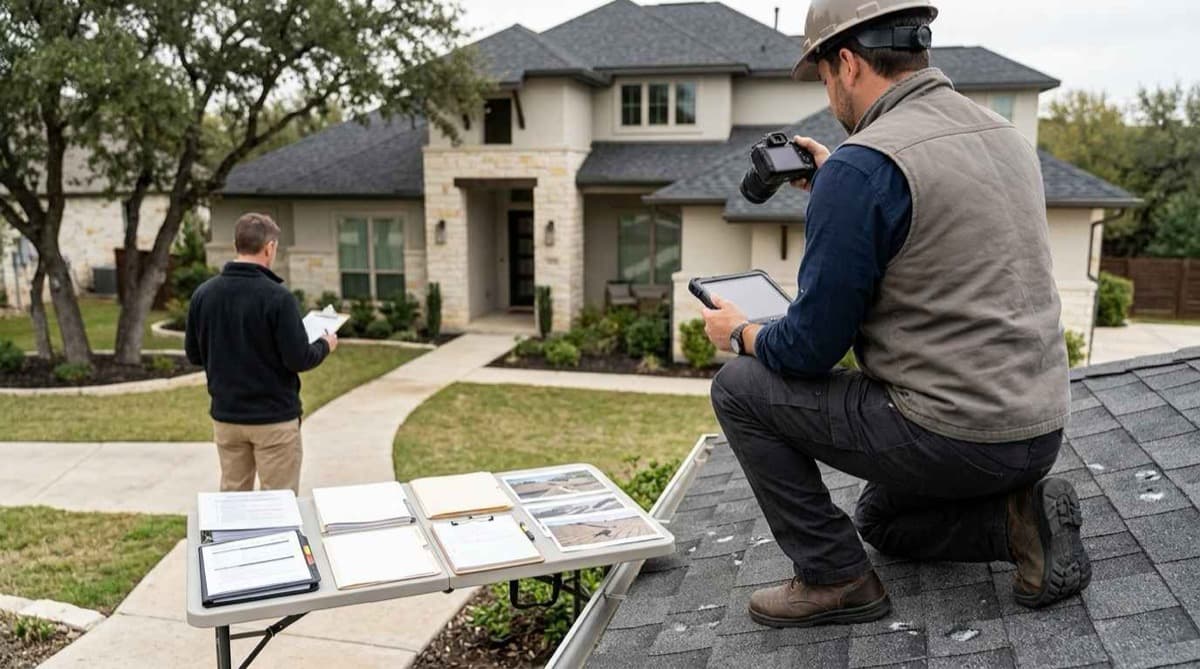
Some insurers also request a photo inspection or a third-party roof inspection report. Keep all of this paperwork in a dedicated file  you may need it again if you switch insurers or file a claim.

When to Contact Your Insurance Agent

Contact your agent as soon as the roof installation is complete and you have the documentation in hand. Don’t wait until your policy renewal date. Most insurers will apply the discount mid-term and issue a prorated credit for the remainder of your policy period.

If your agent isn’t familiar with the Class 4 discount requirements under Texas law, ask them to escalate to an underwriter. The Texas Department of Insurance mandate is clear, and you’re entitled to the discount.

Metal Roofs and Insurance in Austin, TX  What’s Different Here

Austin sits in one of the most weather-exposed insurance markets in the country. Texas consistently ranks among the top states for homeowners insurance costs, and hail is the primary driver of that pricing.

Understanding the local context matters because the insurance savings from a metal roof are larger here than in most other states  and the financial case for the upgrade is correspondingly stronger.

Hail Risk, Wind Exposure, and Texas Insurance Markets

Central Texas sees significant hail activity every year. The National Oceanic and Atmospheric Administration tracks billion-dollar weather disasters, and Texas leads the country in storm-related property losses. Austin homeowners with asphalt shingle roofs file hail damage claims at a rate that keeps Texas insurance premiums among the highest in the nation.

A metal roof rated Class 4 for impact resistance changes that risk profile dramatically. Insurers know it, and their pricing reflects it. The discount isn’t just a courtesy  it’s actuarially justified by the difference in claim frequency between metal and asphalt roofs after major hail events.

Texas Department of Insurance Rules on Roof Discounts

Texas law gives homeowners specific protections here. The Texas Department of Insurance requires that insurers offer premium discounts for impact-resistant roofing materials that meet the Class 4 standard. This isn’t a voluntary program  it’s a regulatory requirement.

That means if your insurer is licensed to write homeowners policies in Texas and your metal roof carries a Class 4 rating, they must offer you a discount. If they haven’t, you have grounds to request a policy review and a retroactive adjustment.

Other Financial Benefits of a Metal Roof Beyond Insurance

The insurance savings are the most immediate financial benefit, but they’re not the only one. A metal roof changes the long-term financial picture of your home in several ways.

Looking at the full picture matters when you’re weighing the higher upfront cost of metal against asphalt.

Energy Savings, Longevity, and Resale Value

Metal roofs reflect solar radiant heat rather than absorbing it, which reduces cooling loads during Austin’s long, hot summers. The U.S. Department of Energy notes that reflective roofing can reduce cooling energy use by up to 15% in hot climates. In Austin, where air conditioning runs hard from April through October, that’s a real reduction in monthly utility costs.

Metal roofs also last significantly longer than asphalt shingles. Asphalt shingles typically carry a 20–30 year lifespan. Metal roofing systems routinely last 40–70 years with minimal maintenance. That longevity means fewer replacement cycles over the life of your homeownership  and fewer disruptions to your household budget.

Resale value is the third piece. Buyers in Austin’s competitive real estate market recognize a metal roof as a premium feature, and appraisers factor it into replacement cost valuations.

Is a Metal Roof Worth It for Austin Homeowners?

The upfront cost of a metal roof is higher than asphalt  typically two to three times more per square foot installed. That gap is real, and it’s the number most homeowners focus on first.

But the total cost picture looks different when you account for the full ownership period.

Weighing Upfront Cost Against Long-Term Savings

A metal roof that lasts 50 years replaces two or three asphalt roofs over the same period. Add the insurance premium savings, the energy cost reductions, and the reduced maintenance costs, and the gap between metal and asphalt narrows considerably over a 20–30 year horizon.

For Austin homeowners who plan to stay in their homes long-term, the math often favors metal. For homeowners planning to sell within five to ten years, the calculus depends more on how the market values the upgrade and whether the insurance savings offset enough of the cost difference in the short term.

The right answer depends on your specific situation  your current roof’s condition, your insurance premium, your energy costs, and your timeline. That’s exactly the kind of analysis we help homeowners work through before making a decision.

Conclusion

A metal roof is one of the few home improvements that directly reduces your homeowners insurance premium while also lowering your energy costs and extending the life of your roof. In Austin, where hail risk and insurance costs are both elevated, the financial case is stronger than in most markets.

The savings don’t happen automatically. You need the right roof product, the right documentation, and a conversation with your insurer. Getting all three right is the difference between leaving money on the table and actually capturing the benefit.

At Tarrytown Roofing, we help Austin homeowners navigate every part of that process  from choosing the right metal roofing system to providing the documentation your insurer needs. Reach out today and let’s talk through what a metal roof could mean for your home and your premium.

Frequently Asked Questions

Does every insurance company offer a discount for metal roofs?

Not every insurer offers a formal discount, but most major carriers operating in Texas do. In Texas, insurers are required by law to offer discounts for Class 4 impact-resistant roofing materials, which most metal roofs qualify for.

How much can a metal roof reduce my homeowners insurance premium?

Discounts typically range from 5% to 35% depending on your insurer, your location, and the specific metal roofing product installed. In Texas, Class 4 rated metal roofs tend to qualify for the higher end of that range due to the state’s elevated hail risk.

Do I need a new metal roof to qualify, or does an existing one count?

An existing metal roof can qualify for a discount. You’ll need to provide documentation showing the material type and its impact resistance rating. Contact your insurer with that documentation and request a policy review.

What is a Class 4 impact-resistant rating and why does it matter?

Class 4 is the highest rating under the UL 2218 impact resistance standard. It means the roofing material passed a test simulating large hail impact without cracking. Texas insurers are required to discount Class 4 rated roofs, making this certification the most important factor in qualifying for premium savings.

Will my insurance go up if I switch from asphalt to metal?

No. Switching from asphalt to metal is treated as a risk reduction by insurers, not a risk increase. Your premium should decrease, not increase, assuming the metal roof carries a Class 4 rating and you notify your insurer with proper documentation.

How long does a metal roof last compared to asphalt shingles?

Asphalt shingles typically last 20–30 years. Metal roofing systems routinely last 40–70 years depending on the material and installation quality. That longevity is one of the primary reasons the higher upfront cost of metal often makes financial sense over a full ownership period.

Read
More

WHY WAIT! GET A FREE ESTIMATE & CONSULTATION