How Old Can a Roof Be Before Insurance Won’t Cover It?

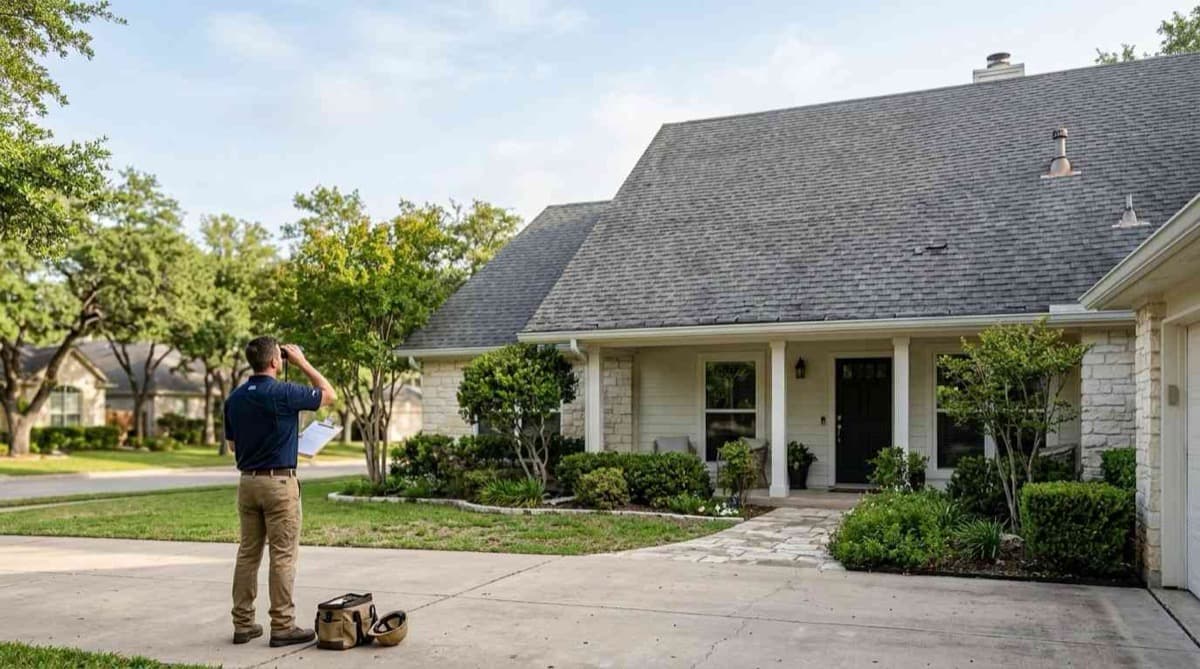
Professional inspection of an aging asphalt shingle roof on an Austin home, illustrating how roof age and condition can affect homeowners insurance coverage and policy renewal.Most insurance companies draw the line at 20 years  once your roof hits that age, you’re looking at reduced coverage, higher premiums, or outright denial. That’s not a rumor. It’s a standard underwriting threshold used across the industry, and it catches a lot of homeowners off guard.

Knowing where your roof stands on that timeline protects your coverage before your insurer makes the decision for you. Losing coverage on an aging roof is one of the most avoidable financial surprises in homeownership.

I’ll walk you through the age thresholds insurers use, what they actually do when a roof gets old, and how condition and maintenance can work in your favor.

Why Roof Age Matters to Your Insurance Company

Insurance companies are in the business of managing risk. An aging roof represents a higher probability of a claim  leaks, storm damage, structural failure  and insurers price that risk into their decisions.

A roof that’s 10 years old and a roof that’s 22 years old are not the same liability. The older one is closer to the end of its functional life, more vulnerable to weather events, and more likely to produce a costly claim.

That’s why age is one of the first things an underwriter looks at when evaluating or renewing a homeowners policy.

How Insurers Assess Roof Risk

Insurers evaluate roof risk through a combination of age, material, condition, and claims history. Most use aerial imagery tools and third-party inspection data to assess a roof’s condition without ever sending someone to your property.

When a policy comes up for renewal, your insurer may pull updated roof data automatically. If the numbers don’t look good, you’ll get a notice  sometimes with very little lead time.

The underwriting criteria vary by carrier, but age is almost always the trigger that starts the review process.

The Role of Roof Material in Age Calculations

Not all roofs age at the same rate, and insurers know it. A standard 3-tab asphalt shingle roof carries a lifespan of roughly 15 to 20 years. Architectural shingles push that to 25 to 30 years. Metal roofs can last 40 to 70 years, and tile roofs often exceed 50 years.

Insurers factor material into their age thresholds. A 20-year-old metal roof is not treated the same as a 20-year-old 3-tab shingle roof. The material determines how much useful life remains  and that directly affects what coverage you qualify for.

If you don’t know what material is on your roof, a quick inspection will tell you. That information matters more than most homeowners realize.

The Age Thresholds That Trigger Coverage Problems

There are two ages that matter most when it comes to insurance: 15 years and 20 years. What happens at each threshold depends on your carrier, your state, and your roof’s condition  but the pattern is consistent across the industry.

Understanding where your roof falls on that scale tells you exactly what kind of conversation you’re about to have with your insurer.

The 20-Year Rule Most Insurers Follow

At 20 years, most standard insurers will either refuse to write a new policy on the home, switch your coverage from replacement cost to actual cash value, or require a full roof inspection before renewing. Some carriers will non-renew the policy outright.

This isn’t universal  some carriers extend coverage to 25 years for well-maintained roofs, and others apply stricter cutoffs at 15 years for certain materials. But 20 years is the industry benchmark, and it’s the number you need to plan around.

If your roof is approaching that mark, the time to act is before renewal  not after you get the notice.

What Happens Between 15 and 20 Years

The 15-to-20-year window is where coverage quietly starts to shift. Many insurers begin requiring inspections at the 15-year mark. Others start reducing the replacement cost payout and applying depreciation to claims.

You may not lose coverage entirely in this window, but the terms change. A claim on a 17-year-old roof often pays out significantly less than the same claim on a 7-year-old roof  even with the same policy.

This is the window where a professional roof inspection gives you the most leverage. A clean inspection report can keep your coverage terms intact longer than the age alone would suggest.

What Insurance Companies Actually Do With an Old Roof

When a roof ages past the threshold, insurers have a few tools they reach for. Understanding those tools helps you anticipate what’s coming and respond before it costs you.

The two most common outcomes are a coverage downgrade and a non-renewal notice. Both are manageable  but only if you see them coming.

Actual Cash Value vs. Replacement Cost Coverage

Replacement cost coverage pays to replace your damaged roof with a new one at current material and labor prices. Actual cash value (ACV) coverage pays the depreciated value of the roof  what it was worth at the time of the claim, not what it costs to replace it.

The difference is significant. On a 20-year-old asphalt shingle roof, the depreciated value might be a fraction of the actual replacement cost. You’d be responsible for the gap out of pocket.

Most insurers shift aging roofs from replacement cost to ACV automatically, often without a clear notice to the homeowner. Reviewing your declarations page tells you which coverage you currently have.

Denial, Non-Renewal, and Inspection Requirements

A denial means the insurer won’t write a new policy on the home. Non-renewal means they’re ending your existing policy at the next renewal date. Both leave you scrambling for coverage  and in Texas, that often means turning to the state’s insurer of last resort, which carries higher premiums and fewer protections.

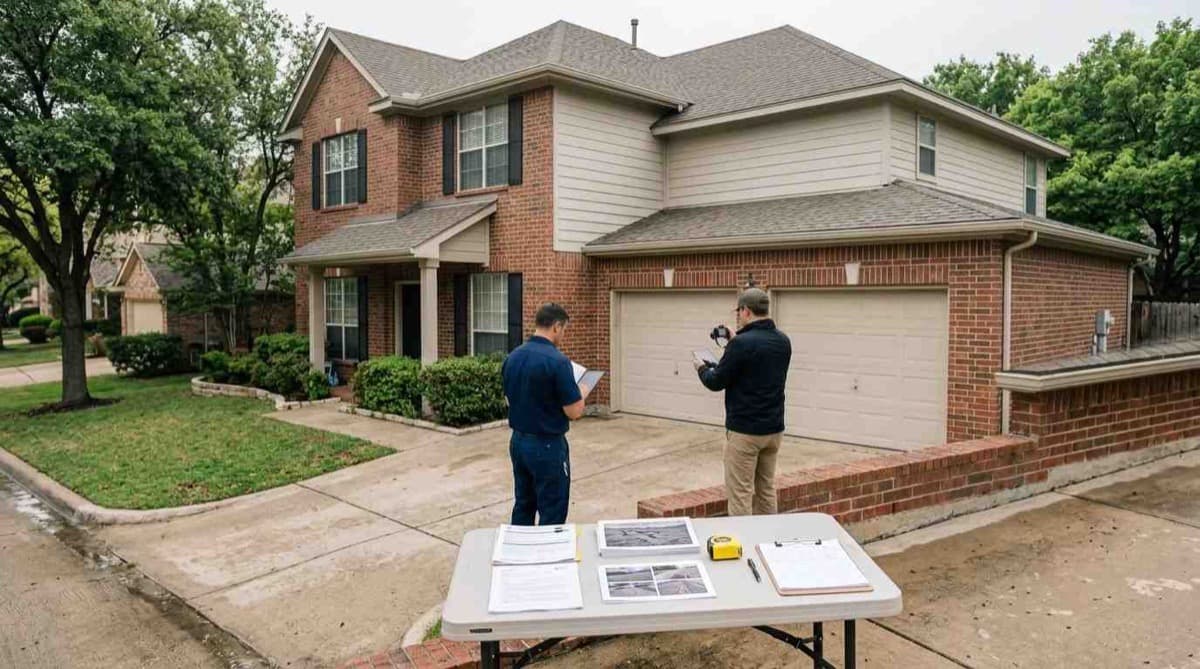
Inspection requirements are the most common middle ground. The insurer asks for a certified roof inspection, reviews the report, and decides whether to continue coverage, downgrade it, or non-renew. A passing inspection buys time. A failing one accelerates the timeline toward replacement.

How Roof Condition Can Override Age

Age is a proxy for condition  but it’s an imperfect one. A well-maintained 18-year-old roof can outperform a neglected 12-year-old roof on every metric an insurer cares about.

Condition is the variable you can actually control. Age is fixed. That’s where your energy belongs.

What a Roof Inspection Report Does for Your Coverage

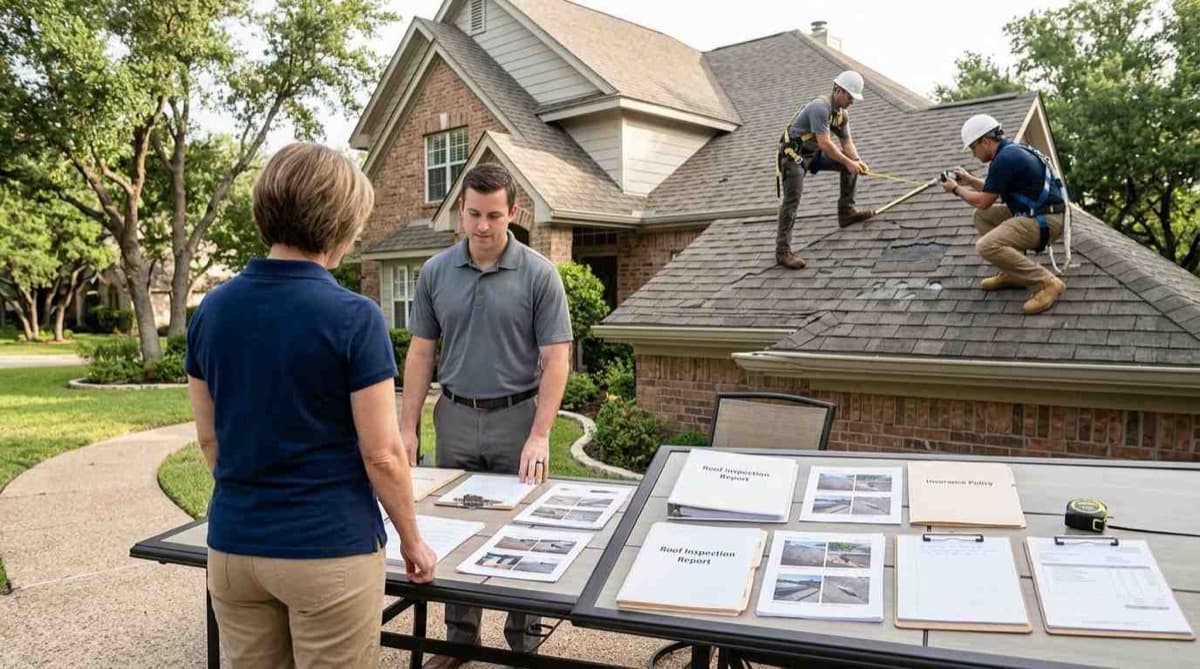
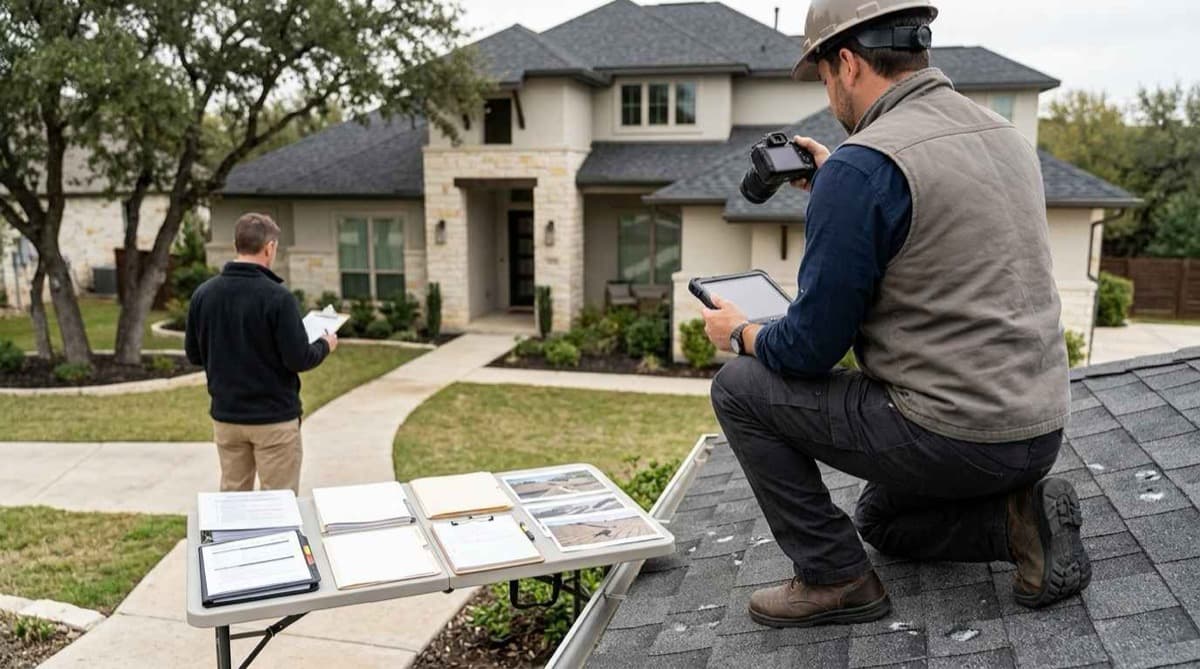
A professional inspection report documents the current state of your roof in terms insurers understand. It covers shingle condition, flashing integrity, granule retention, signs of water intrusion, and structural soundness.

A clean report gives your insurer evidence that the roof is performing well despite its age. Many carriers will extend replacement cost coverage or delay a non-renewal decision based on a favorable inspection outcome.

I’ve seen homeowners extend their coverage by two or three years simply by getting ahead of the inspection process and presenting a solid report before the insurer asked for one.

Repairs and Maintenance That Extend Insurability

Routine maintenance keeps a roof performing closer to its rated lifespan. Clearing debris from valleys and gutters, replacing cracked or missing shingles promptly, resealing flashing around penetrations, and addressing minor leaks before they spread  these actions preserve the structural integrity that insurers look for.

A documented maintenance history strengthens your position during an inspection. It shows the roof has been actively managed, not just left to age.

We recommend annual inspections for any roof over 10 years old in Austin. The cost of a yearly checkup is minimal compared to the cost of losing replacement cost coverage prematurely.

Austin-Specific Factors That Affect Roof Age and Coverage

Austin homeowners face a set of environmental conditions that accelerate roof aging faster than the national average. That matters when you’re trying to stay ahead of your insurer’s age thresholds.

The climate here doesn’t give roofs an easy life. Understanding what’s working against your roof helps you maintain it more strategically.

How Texas Weather Accelerates Roof Aging

Central Texas combines intense UV exposure, extreme heat cycling, periodic hail events, and occasional high-wind storms into a roofing environment that shortens material lifespans. Asphalt shingles in Austin often show meaningful wear by year 12 to 15  well before the 20-year threshold most homeowners assume they have.

According to the Insurance Council of Texas, hail and wind events are among the leading causes of homeowners insurance claims in the state, and the Austin metro sees multiple significant hail events most years. Each event adds cumulative stress to an aging roof.

UV degradation is the quieter threat. Prolonged sun exposure breaks down the asphalt binder in shingles, accelerating granule loss and reducing the roof’s ability to shed water effectively. A roof that looks fine from the street may be significantly compromised at the material level.

When It’s Time to Replace Your Roof for Insurance Purposes

There’s a point where repairs and maintenance stop being enough. When a roof reaches that point, replacement isn’t just a home improvement decision  it’s an insurance decision.

Replacing before your insurer forces the issue keeps you in control of the timeline, the contractor selection, and the material choice.

Signs Your Insurer Will Flag Before You Do

Insurers look for specific conditions when they review roof data. Granule loss visible in gutters or at downspout exits signals advanced shingle wear. Sagging areas indicate structural compromise. Missing or cracked shingles expose the underlayment to water intrusion. Moss or algae growth suggests chronic moisture retention.

Any one of these conditions in a roof inspection report can trigger a coverage downgrade or non-renewal. Multiple conditions together almost certainly will.

If you’re seeing these signs on a roof that’s 15 years or older, the conversation with your insurer is coming. Getting a roof replacement estimate before that conversation puts you in a much stronger position than reacting after the fact.

Conclusion

Roof age is one of the most consequential factors in your homeowners insurance coverage, and 20 years is the threshold that changes everything. Material, condition, and maintenance all influence how your insurer treats an aging roof  but age is what starts the clock.

In Austin, the climate accelerates that timeline. Staying ahead of your insurer’s review process means knowing where your roof stands and acting before the notice arrives.

We’re here to help. Contact Tarrytown Roofing for a professional roof inspection and honest guidance on whether repair or replacement is the right move for your coverage and your home.

Frequently Asked Questions

At what age will insurance stop covering my roof?

Most insurers apply a 20-year threshold for standard asphalt shingle roofs. At that point, they typically switch coverage from replacement cost to actual cash value, require an inspection, or non-renew the policy. The exact cutoff varies by carrier and material.

Can I get homeowners insurance with a 20-year-old roof?

Yes, but the terms are often less favorable. Many carriers will insure a 20-year-old roof under actual cash value coverage rather than replacement cost. Some require a recent inspection report before agreeing to write or renew the policy.

Does roof material affect how long insurance will cover it?

It does. Metal and tile roofs carry longer rated lifespans than asphalt shingles, and insurers factor that into their age thresholds. A 20-year-old metal roof is treated very differently than a 20-year-old 3-tab shingle roof.

What is actual cash value coverage for a roof?

Actual cash value coverage pays the depreciated value of your roof at the time of a claim  not the cost to replace it. On an older roof, that payout can be significantly lower than what a full replacement actually costs, leaving the homeowner responsible for the difference.

Will a roof inspection help me keep my insurance coverage?

A professional inspection with a clean report gives your insurer documented evidence that the roof is in good condition despite its age. Many carriers will extend or maintain favorable coverage terms based on a positive inspection outcome.

How do I know if my insurer is about to drop my roof coverage?

Watch for renewal notices that include inspection requirements, coverage change notifications, or requests for updated roof documentation. These are early signals that your insurer is reviewing the roof’s insurability. Acting on them quickly  with an inspection or replacement  keeps your options open.

WHY WAIT! GET A FREE ESTIMATE & CONSULTATION