How Old Is an Uninsurable Roof?

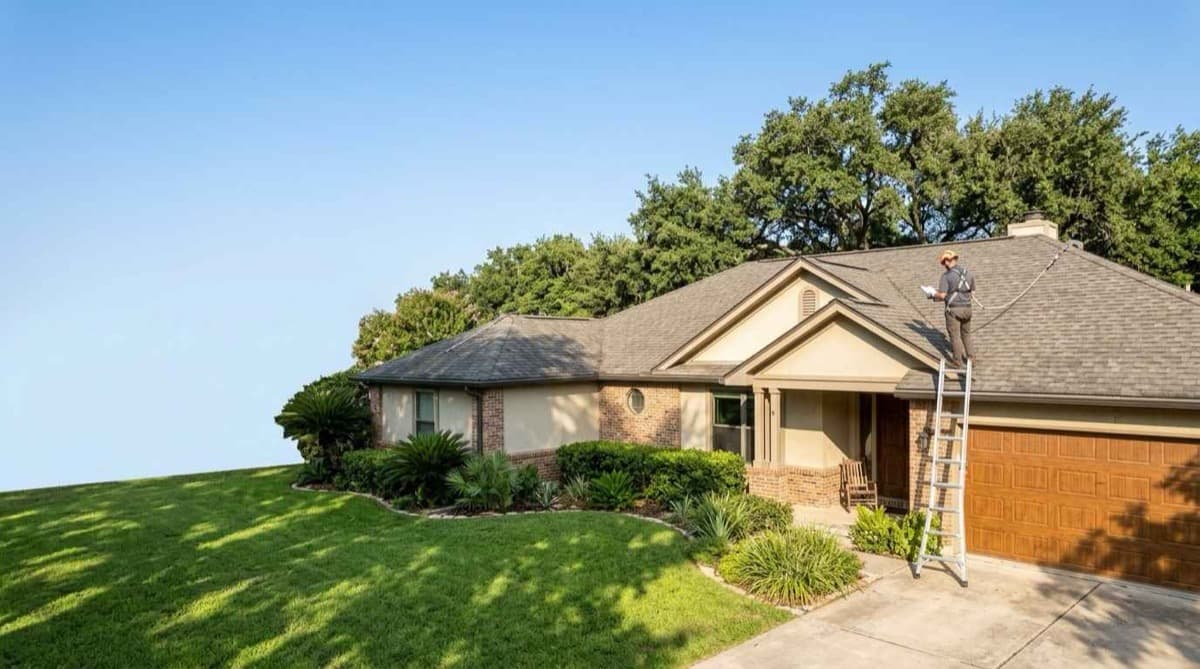
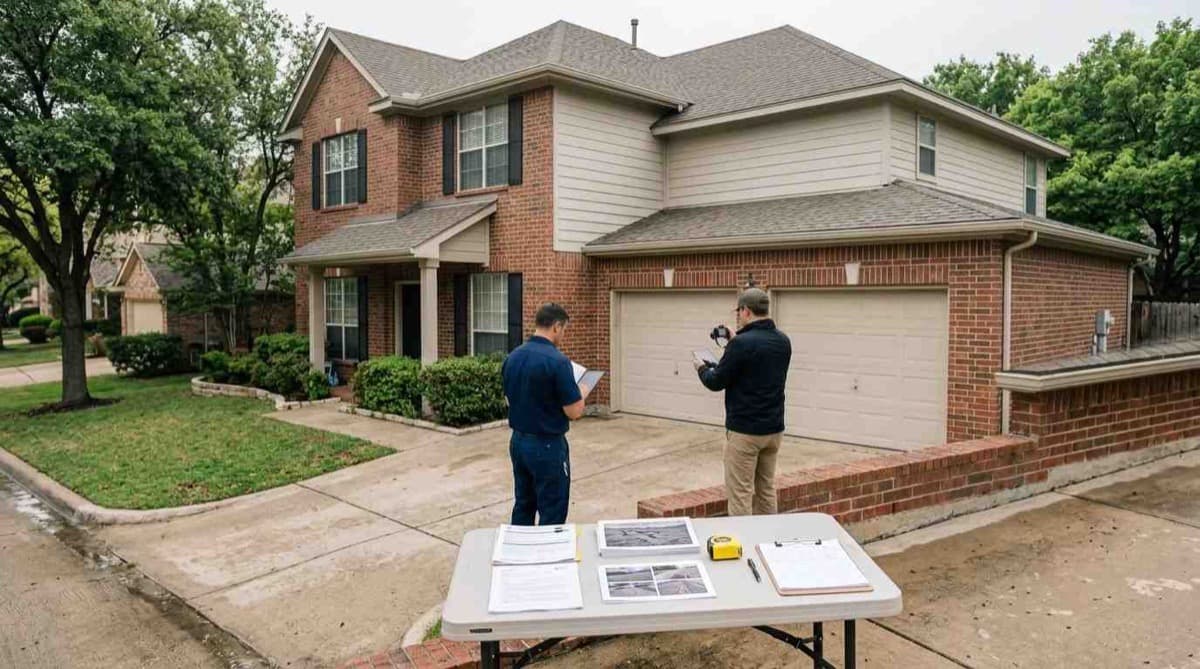
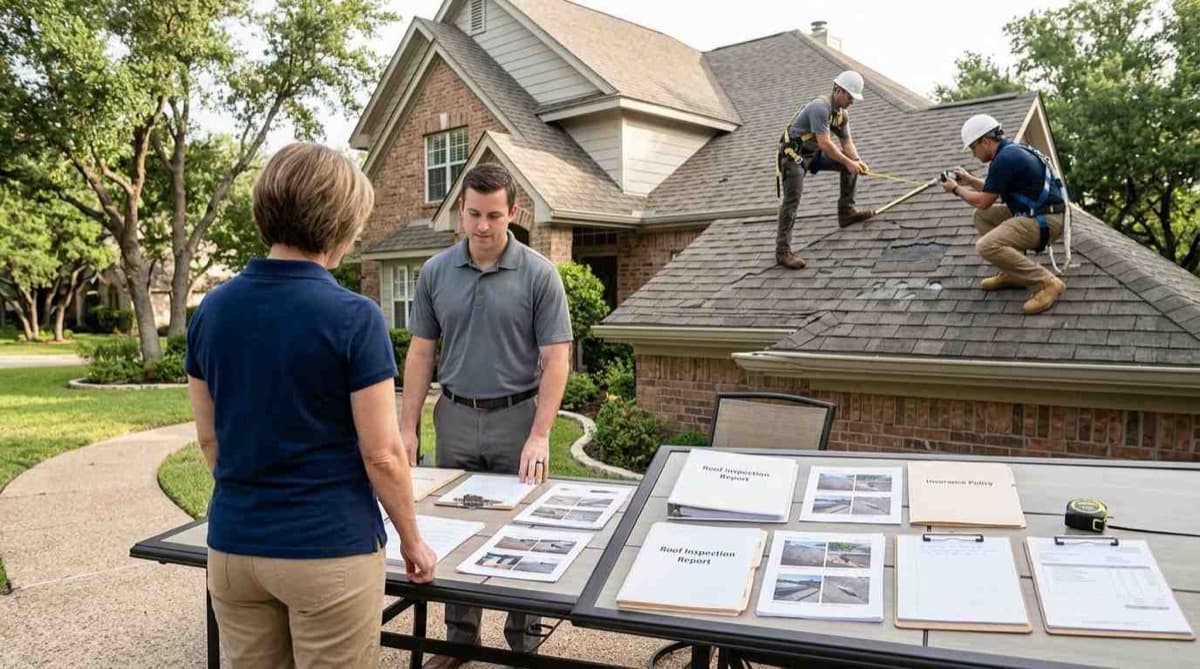
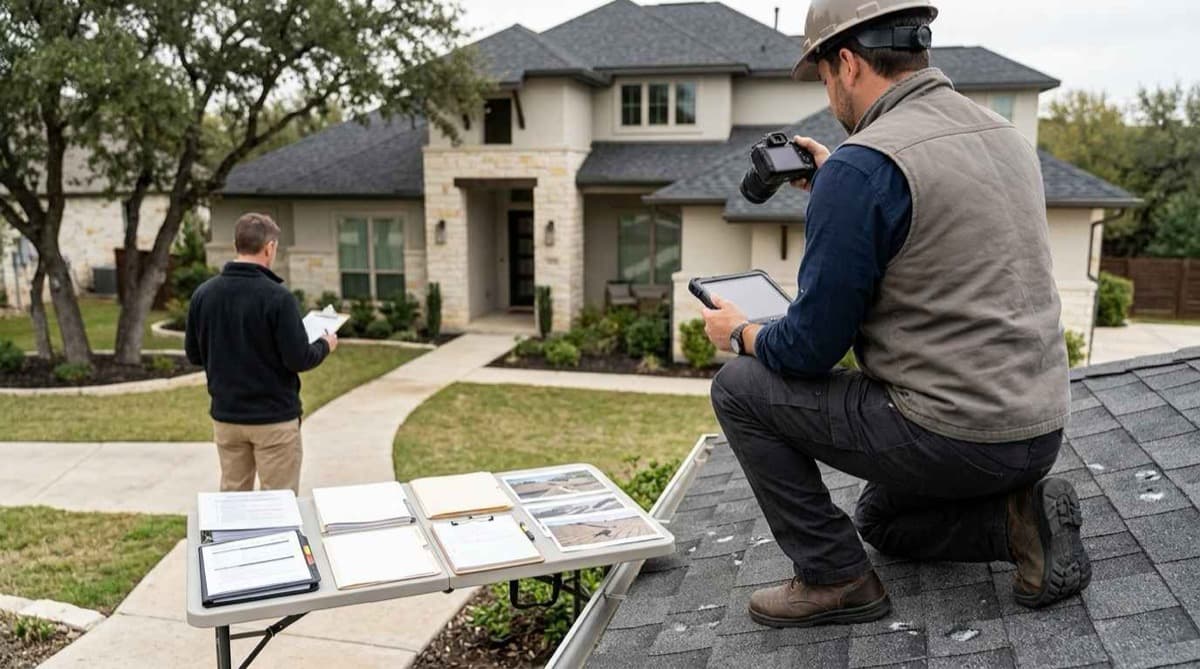
Professional inspection of an aging asphalt shingle roof on an Austin home, illustrating how roof age and condition affect homeowners insurance eligibility and when an older roof may become uninsurable.Most insurance companies consider a roof uninsurable once it reaches 20 to 25 years old  and many will deny new coverage or non-renew existing policies on roofs older than that. The exact threshold depends on the roofing material, the insurer’s underwriting guidelines, and the roof’s documented condition.

Knowing where your roof stands on that timeline protects you from a coverage gap you may not see coming until it’s too late.

I’ll walk you through the age thresholds insurers use, why they draw the line where they do, and what Austin homeowners can do to stay covered.

What Age Makes a Roof Uninsurable?

For most standard asphalt shingle roofs, the critical age is 20 years. That’s when many insurers begin requiring a professional inspection before renewing or issuing a new policy. By 25 to 30 years, a significant number of carriers will simply decline to cover the roof at all.

The Insurance Information Institute notes that roof age and condition are among the most common factors insurers evaluate when underwriting homeowners policies. An aging roof signals higher claim probability  and insurers price that risk accordingly.

It’s not a universal cutoff. Some carriers draw the line at 20 years, others at 25. A few will go to 30 on well-maintained roofs with documented repair histories. But 20 years is the number every homeowner needs to have on their radar.

Roof MaterialTypical Insurer Concern AgeCommon Coverage Denial Age
Asphalt Shingles15–20 years20–25 years
Wood Shake15–20 years20–25 years
Flat / TPO10–15 years15–20 years
Metal Roofing30–40 years40–50 years
Tile (Clay/Concrete)30–40 years40–50 years

Why Insurance Companies Care So Much About Roof Age

Insurers are in the business of managing risk. An older roof is a statistically higher risk  it’s more likely to leak, more likely to fail in a storm, and more expensive to repair or replace when something goes wrong.

From an underwriting standpoint, a 25-year-old asphalt shingle roof has already lived most of its useful life. The National Roofing Contractors Association puts the average lifespan of asphalt shingles at 20 to 30 years under normal conditions. An insurer covering a roof at the end of that window is essentially insuring something that’s already depreciated significantly.

There’s also the depreciation factor. Many policies pay actual cash value on older roofs rather than replacement cost. That means a claim on a 22-year-old roof might pay out far less than the actual cost to replace it  which creates problems for homeowners and headaches for insurers managing claim disputes.

The math is simple from the insurer’s side. Older roof equals higher risk equals higher likelihood of a costly claim. That’s why they draw the line where they do.

Does Roof Material Change the Uninsurability Age?

Absolutely. Material is one of the biggest variables in how insurers evaluate roof age  and it’s one most homeowners don’t think about until they’re already in trouble.

Asphalt shingles are the most common roofing material in the U.S., and they carry the shortest coverage window. Most insurers start scrutinizing them at 15 to 20 years. Metal roofing and clay or concrete tile are a different story entirely. These materials carry expected lifespans of 40 to 70 years, and insurers recognize that longevity in their underwriting guidelines.

A metal roofing system on a 35-year-old home may still be fully insurable. The same home with original asphalt shingles almost certainly isn’t.

Wood shake sits in a complicated middle ground. It has a similar lifespan to asphalt on paper, but many insurers treat it more cautiously because of fire risk  especially in Texas markets. Flat roofing systems like TPO and modified bitumen carry the shortest coverage windows of all, often triggering insurer concern as early as 10 to 15 years.

The material your roof is made of doesn’t just affect how long it lasts. It directly affects how long your insurer is willing to cover it.

What Happens When Your Roof Becomes Uninsurable?

The most immediate consequence is a non-renewal notice. Your insurer sends written notice  typically 30 to 60 days before your policy expires  that they will not be renewing your homeowners coverage. That leaves you scrambling to find a new carrier, often at a higher premium, and sometimes with no options at all for the existing roof.

If you have a mortgage, the situation gets more complicated fast. Lenders require homeowners insurance as a condition of the loan. A coverage lapse triggers a lender-placed insurance policy  also called force-placed insurance  which is typically far more expensive and covers far less than a standard homeowners policy. According to the Consumer Financial Protection Bureau, force-placed insurance can cost two to ten times more than a standard policy and protects the lender, not the homeowner.

Some insurers will offer a conditional renewal  they’ll keep the policy active if you get a professional roof inspection and complete required repairs within a set timeframe. That’s actually the better outcome. It gives you a path forward without a full coverage gap.

The worst outcome is discovering your roof is uninsurable only when you try to sell the home. Buyers’ lenders won’t approve a mortgage on a property without insurable coverage. An uninsurable roof can kill a sale or force a last-minute replacement negotiation that costs you far more than a planned replacement would have.

How to Keep Your Roof Insurable Longer

The single most effective thing a homeowner can do is schedule annual roof inspections and keep documentation of every repair. Insurers respond to evidence. A roof with a paper trail of professional inspections and addressed repairs signals active maintenance  and that matters when underwriters evaluate your policy.

Repairs done proactively carry more weight than repairs done reactively. Replacing damaged flashing, resealing pipe boots, clearing debris from valleys, and addressing minor granule loss before it becomes a leak  these are the kinds of maintenance actions that extend a roof’s functional life and its insurability window.

Some insurers will accept a roof certification from a licensed roofing contractor as evidence that an older roof is still in serviceable condition. This isn’t available from every carrier, but it’s worth asking about if your roof is approaching the 20-year mark. A certification can buy you additional coverage years without a full replacement.

Document everything. Keep receipts, inspection reports, and contractor invoices in a dedicated file. When your insurer asks about the roof’s condition, you want to hand them a history, not a guess.

When Replacement Is the Only Real Answer

There’s a point where maintenance and documentation aren’t enough. When a roof has exceeded its material lifespan, when repairs are becoming frequent and costly, or when an insurer has already issued a non-renewal notice  replacement is the answer, not a patch.

For Austin homeowners, the timing of a roof replacement matters. Texas weather is hard on roofs. Hail, high winds, and intense summer heat accelerate aging on asphalt shingles faster than the national average lifespan suggests. A roof that might last 25 years in a milder climate may reach the end of its insurable life closer to 20 years here.

We work with homeowners across Austin to assess roof condition honestly and give them a clear picture of where they stand  whether that’s a repair plan, a certification, or a full replacement quote. If your roof is approaching 20 years or you’ve already received a non-renewal notice, reach out to Tarrytown Roofing. We’ll inspect it, tell you exactly what you’re dealing with, and help you protect your home and your coverage.

Conclusion

Roof age is one of the most consequential factors in homeowners insurance  and most homeowners don’t think about it until they’re already facing a non-renewal notice or a failed home sale. The 20-year mark is the threshold that matters most, with material type and documented condition shaping exactly where your insurer draws the line.

Proactive maintenance, documented inspections, and honest assessment of your roof’s condition are the tools that keep coverage intact as a roof ages.

We’re here to help Austin homeowners stay ahead of that line. Contact Tarrytown Roofing for a professional roof inspection and find out exactly where your roof stands before your insurer makes that decision for you.

Frequently Asked Questions

At what age do most insurance companies consider a roof uninsurable?

Most insurers begin flagging roofs at 20 years old and will deny new coverage or non-renew existing policies on roofs between 20 and 25 years, depending on the carrier and the roofing material. Some carriers extend coverage to 30 years for well-maintained roofs with documented repair histories.

Can I get homeowners insurance with a 20-year-old roof?

Yes, in many cases  but it depends on the material and condition. A 20-year-old asphalt shingle roof will face scrutiny and likely require a professional inspection. A 20-year-old metal or tile roof is generally still well within the insurable range for most carriers.

What roof materials last long enough to stay insurable the longest?

Metal roofing and clay or concrete tile carry the longest insurable lifespans, often remaining coverable for 40 years or more. Asphalt shingles and wood shake carry the shortest windows, typically triggering insurer concern between 15 and 20 years.

Will my mortgage lender require a roof replacement if my insurer drops coverage?

Yes. Lenders require active homeowners insurance as a loan condition. If your insurer non-renews due to roof age and you can’t secure replacement coverage, your lender will place force-placed insurance on the property  which is significantly more expensive and protects the lender, not you. Replacement is often the only path back to standard coverage.

Does a roof inspection help with insurance coverage?

It does. A professional inspection with documented findings gives insurers evidence that the roof is actively maintained. Some carriers accept a licensed contractor’s roof certification as grounds for extending coverage on an aging roof. Inspection records also strengthen your position during any claim dispute.

How much does an uninsurable roof affect home value?

Significantly. An uninsurable roof creates a financing problem for buyers  their lenders won’t approve a mortgage without insurable coverage. That either kills the sale or forces a price reduction large enough to cover replacement costs. In the Austin market, a full roof replacement typically runs between $8,000 and $20,000 depending on size and material, which is often the discount sellers end up absorbing.

What is the average cost to replace a roof in Austin, TX?

In the Austin area, most residential roof replacements fall between $8,000 and $18,000 for standard asphalt shingle systems, with larger homes or premium materials running higher. Local labor costs, material pricing, and roof complexity all factor into the final number. A professional inspection and quote from a licensed Austin roofing contractor gives you the most accurate figure for your specific home.

WHY WAIT! GET A FREE ESTIMATE & CONSULTATION