Most roofs last between 20 and 50 years, with the exact lifespan depending on the material, installation quality, climate exposure, and maintenance history. For homeowners in Austin, TX, where intense sun, hail, and storm activity test every roofing system, knowing how long your roof should last helps you plan repairs, budget for replacement, and protect your property’s long-term value with confidence.

Average Roof Lifespan by Material Type

The average lifespan of a residential roof ranges from 20 to 50 years, depending on the material. Asphalt shingles typically last 20 to 30 years, metal roofs 40 to 70 years, clay or concrete tile 50 or more years, and wood shakes around 25 to 30 years with proper care.

Asphalt Shingles, Metal, Tile, and Wood Lifespans

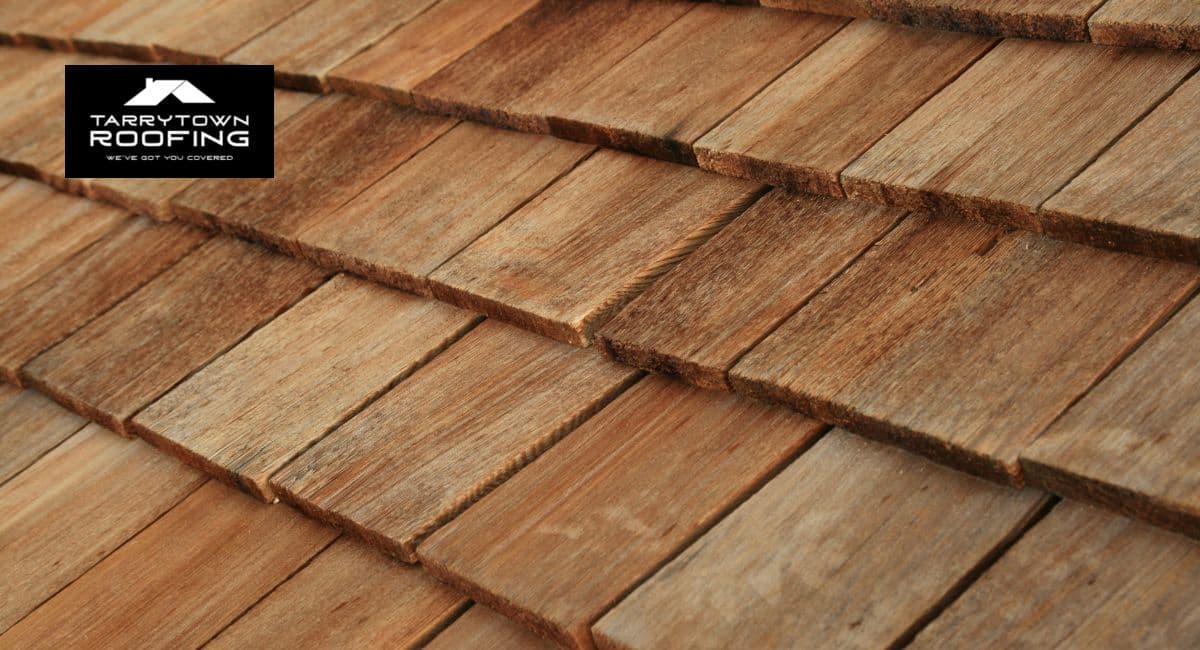
Asphalt shingles dominate the Austin market because they balance affordability with a 20 to 30 year service life. Architectural shingles often outlast three-tab versions by a decade. Standing seam metal roofs reach 50 years or more, resisting heat, hail, and high winds common across Central Texas. Clay and concrete tile can exceed 50 years, though they require structural support. Wood shakes look beautiful but demand consistent maintenance to reach their 25-year mark in humid conditions.

Why Material Choice Drives Longevity

Material selection determines more than appearance. It dictates how a roof responds to UV exposure, thermal expansion, moisture, and impact. Heavier materials like tile shed heat efficiently, while metal reflects it. Asphalt absorbs more heat, accelerating wear in hot climates. Choosing the right system for your home’s structure, slope, and local weather pattern is the single biggest factor in maximizing roof lifespan and avoiding premature replacement.

Knowing the average lifespan is one piece of the picture. Confirming where your specific roof stands today requires a professional roof inspection that evaluates actual wear, damage, and remaining service life.

What Shortens or Extends a Roof’s Life in Austin, TX

Austin’s climate places unique demands on every roof. Intense summer heat, sudden hailstorms, and high UV exposure accelerate aging on standard asphalt systems. Roofs facing direct southern or western sun often deteriorate faster than shaded sections. Hailstorms can shorten a roof’s expected life by years in a single event.

Climate, Maintenance, and Installation Quality

Three factors decide whether your roof reaches or exceeds its rated lifespan. First, installation quality, because poorly nailed shingles or improper flashing create leaks within a few years. Second, routine maintenance such as gutter cleaning, debris removal, and annual inspections that catch small issues before they spread. Third, ventilation and attic insulation, which regulate temperature and prevent moisture damage that silently shortens roof life from the inside.

When to Repair vs. Replace an Aging Roof

If your roof is under 15 years old and shows isolated damage, targeted repairs usually make sense. Once a roof passes 75% of its expected lifespan or shows widespread granule loss, curling, sagging, or repeated leaks, replacement becomes the smarter long-term investment. Comparing repair expenses against the cost of roof replacement helps homeowners decide whether continued patching delivers real value or simply delays the inevitable.

Conclusion

The average roof lasts 20 to 50 years, with material, climate, and maintenance shaping the final number for every home.

For Austin homeowners, planning ahead means tracking your roof’s age, scheduling inspections, and budgeting for eventual replacement before damage forces the decision.

At Tarrytown Roofing, we help homeowners protect their investment with honest inspections, expert repairs, and reliable replacements. Contact us today to schedule yours.

Frequently Asked Questions

How often should a roof be replaced?

Most residential roofs need replacement every 20 to 30 years, though metal and tile systems can last 50 years or longer with proper installation and maintenance.

How do I know if my roof needs replacement?

Watch for curling shingles, granule loss in gutters, sagging areas, daylight in the attic, recurring leaks, or visible damage after a major hailstorm.

Does Austin weather shorten roof lifespan?

Yes. Intense heat, UV exposure, and hailstorms accelerate wear on asphalt shingles, sometimes reducing expected lifespan by five to ten years without maintenance.

Can a roof last 50 years?

Yes. Standing seam metal, clay tile, and concrete tile roofs commonly reach or exceed 50 years when professionally installed and maintained throughout their service life.

Does homeowners insurance cover old roof replacement?

Insurance typically covers sudden storm damage, not gradual aging. Roofs over 20 years old often face reduced coverage or actual cash value settlements instead of full replacement.

Read
More

WHY WAIT! GET A FREE ESTIMATE & CONSULTATION