What Is the Best Time of Year to Replace a Roof?

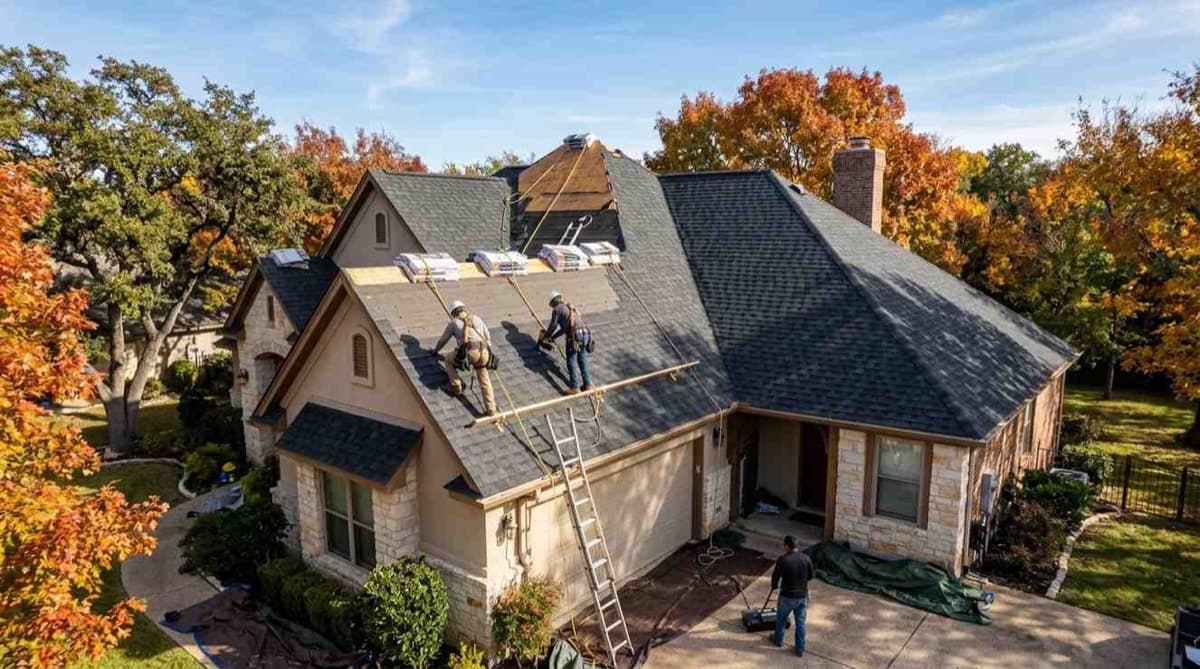
Professional roof replacement on an Austin home during mild autumn weather, illustrating why fall provides ideal conditions for installing a durable new asphalt shingle roof.Fall is the best time of year to replace a roof  mild temperatures, low humidity, and dry conditions give shingles the ideal environment to seal properly and last. But the “best” season depends on where you live, and Austin’s climate plays by its own rules.

Choosing the wrong window costs you more than money. Poor installation conditions lead to callbacks, premature failure, and headaches that follow you for years.

I’ll walk you through every season, what Austin’s weather actually means for your roof, and how to decide when to move forward  planned or urgent.

Why Timing Matters for Roof Replacement

Most homeowners think of roof replacement as a project you schedule when the budget is ready. The season rarely enters the conversation. That’s a mistake.

Roofing is a weather-dependent trade. The materials, the labor, and the long-term performance of your new roof are all shaped by the conditions on installation day.

Get the timing right and your roof seals properly, lasts its full lifespan, and gives you no surprises. Get it wrong and you’re dealing with adhesion failures, lifted shingles, and warranty headaches before the first year is out.

How Weather Affects Installation Quality

Asphalt shingles  the most common residential roofing material  rely on a heat-activated adhesive strip to seal each course to the one below it. That seal is what keeps wind from lifting your shingles and water from getting underneath.

The adhesive needs ambient temperatures between roughly 40°F and 85°F to activate correctly. Too cold and the strip never bonds. Too hot and the shingles become pliable, making them vulnerable to scuffing, distortion, and improper nailing during installation.

Moisture is the other factor. Wet decking, high humidity, or rain during installation traps moisture under the new roof system  and that moisture has nowhere to go.

How Timing Affects Contractor Availability and Cost

Spring storm season and summer heat drive roofing demand in Austin. When every homeowner in the area is calling for inspections and replacements at the same time, contractor availability and scheduling timelinesstretch out fast.

Booking during a lower-demand window  late fall or early winter in Austin’s mild climate  often means faster scheduling and more attention from your crew. Some contractors offer better pricing in slower months, though that varies by company and market conditions.

The point is simple: timing your replacement strategically gives you more options, not fewer.

The Best Seasons to Replace a Roof

Three seasons work well for roof replacement. One is clearly the best. Here’s how they stack up.

Fall  The Industry’s Top Choice

September through November is the sweet spot for roof replacement across most of the country, and Austin is no exception. Temperatures are mild, humidity drops after the brutal Texas summer, and dry weather windows are longer and more predictable.

Shingles seal reliably in fall conditions. Crews work efficiently without fighting extreme heat. And you’re heading into winter with a fresh, fully bonded roof overhead.

In Austin specifically, October and November are particularly strong months. The worst of storm season has typically passed, temperatures are comfortable, and contractors are often more available than they were in the spring rush.

Late Spring  A Strong Second Option

April and May offer conditions close to fall’s ideal window. Temperatures are warm but not yet punishing, and the extended dry stretches between spring storms give crews solid working days.

The trade-off in Austin is storm risk. Late spring sits squarely in hail and severe weather seasonfor Central Texas. A well-timed spring replacement is absolutely achievable  you just need a contractor who monitors weather closely and can work around the forecast.

Spring replacement also makes practical sense as pre-storm preparation. Getting a new roof on before peak storm season means you’re protected when the worst weather arrives.

Summer  Workable but With Trade-Offs

Summer roof replacement in Austin is possible. Contractors do it every day. But the conditions are not ideal, and it’s worth understanding why.

Extreme heat  and Austin regularly sees weeks above 100°F  makes asphalt shingles soft and vulnerable during handling. Crews work in brutal conditions, which affects both pace and precision. Early morning starts help, but there’s no eliminating the heat factor entirely.

That said, summer is often when homeowners discover they need a new roof after storm damage or a failed inspection. Waiting until fall is not always an option. A skilled crew with experience in Texas summers can deliver a quality installation  it just requires more care and the right conditions on the day.

Seasons to Avoid (and Why)

Two windows carry real risk for roof replacement in the Austin area. Neither is an absolute prohibition, but both require honest conversation with your contractor before you proceed.

Winter Roof Replacement in Austin, TX

Austin winters are mild by most standards, but they are not predictable. The region sees periodic freeze events  sometimes severe ones  that drop temperatures well below the threshold for proper shingle adhesion.

A freeze event during or immediately after installation can prevent the adhesive strip from ever sealing correctly. That’s not a cosmetic issue. It’s a structural one that leaves your roof vulnerable to wind uplift and water intrusion.

If you’re replacing a roof in December, January, or February in Austin, your contractor needs to monitor temperatures carefully and be prepared to pause work when conditions drop. It’s manageable with the right team  but it adds complexity and risk that fall or spring simply don’t carry.

Peak Storm Season Considerations

Late spring through early summer is Austin’s most active period for hail, high winds, and severe thunderstorms. Replacing a roof during active storm season isn’t impossible, but it introduces scheduling volatility that can stretch your project timeline significantly.

A storm rolling through mid-installation forces a work stoppage. Exposed decking needs protection. And if hail hits a partially completed roof, the situation gets complicated fast.

The practical answer: if you’re replacing due to storm damage, your insurance timeline may dictate when the work happens. Work with a contractor who has experience coordinating insurance claims and roof replacementso the process moves efficiently regardless of season.

When You Can’t Wait for the Right Season

Ideal timing is a luxury. A lot of homeowners don’t have it.

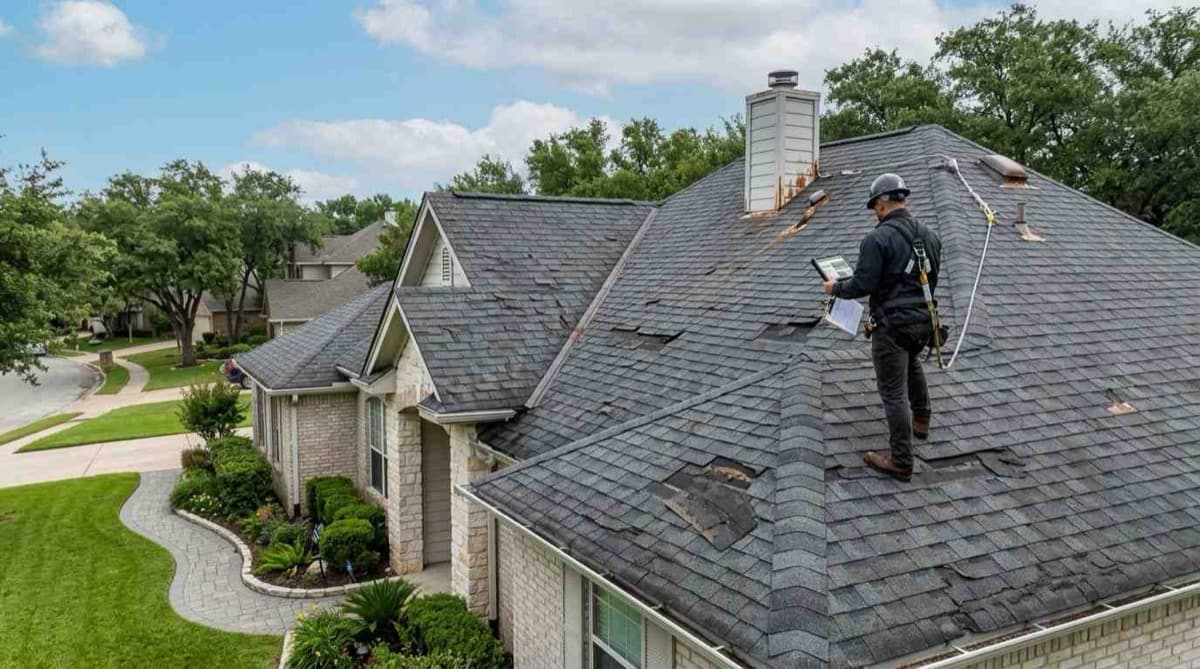
An active leak, visible structural damage, or a failed inspection doesn’t care what month it is. Neither does an insurance adjuster’s deadline. When the roof needs to go, it needs to go  and a quality contractor makes it work in any season.

Emergency Replacement vs. Planned Replacement

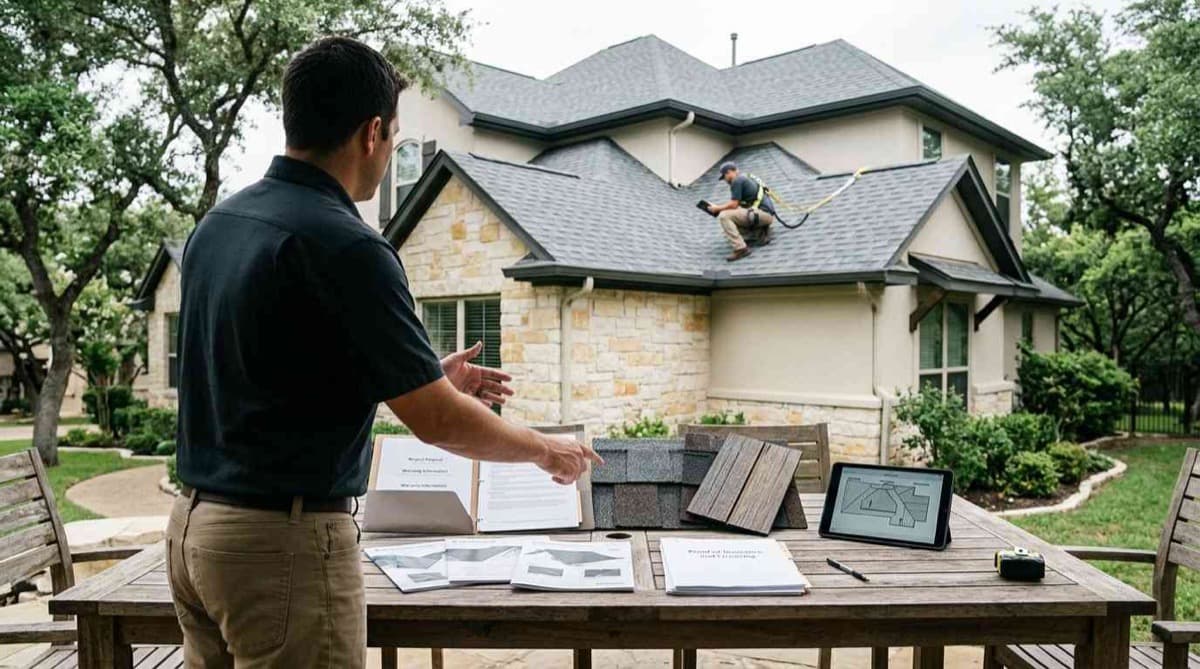
A planned replacement gives you full control: you choose the season, compare bids, and schedule on your timeline. That’s the best-case scenario, and fall is the right target when you have that flexibility.

An emergency replacement is a different situation entirely. The priority shifts from optimal conditions to protecting your home right now. Temporary repairs  tarping, emergency patching  can buy time in some cases, but when the damage is extensive, a full roof replacementis the only real answer.

The good news: experienced roofing contractors handle emergency replacements year-round. The season matters less when the alternative is an unprotected home. What matters is getting a crew on-site fast, using quality materials, and executing the installation correctly despite the conditions.

How Austin’s Climate Shapes the Best Replacement Window

Austin sits in a unique climate zone that doesn’t behave like the national averages most roofing guides are written for. Summers are longer and hotter. Winters are mild but punctuated by sudden freeze events. And the city sits in one of the most active hail corridors in the country.

That combination shifts the optimal replacement window slightly compared to northern markets. Fall  specifically October and November  is the clearest winner for Austin homeowners. The heat has broken, storm season has wound down, and temperatures stay in the range where shingles perform best during installation.

Late spring remains a solid option with the right contractor and weather awareness. Summer is workable but demanding. And winter carries freeze risk that requires careful monitoring.

The bottom line for Austin homeowners: if you have flexibility, aim for October or November. If you don’t, work with a contractor who understands Central Texas conditions and knows how to deliver quality results in any season.

At Tarrytown Roofing, we’ve replaced roofs in every season Austin throws at us. Reach out and we’ll tell you exactly what your timeline looks like and what to expect from start to finish.

Frequently Asked Questions

What month is best to replace a roof?

October is the single best month for roof replacement in Austin. Temperatures are mild, humidity is lower, storm season has typically wound down, and contractors have more scheduling availability than during the spring rush.

Is it okay to replace a roof in the summer in Texas?

Yes  it’s done regularly, and a skilled crew handles it well. The trade-offs are extreme heat affecting shingle handling and crew pace, so early morning starts and careful material management matter more in summer than any other season.

How long does a roof replacement take?

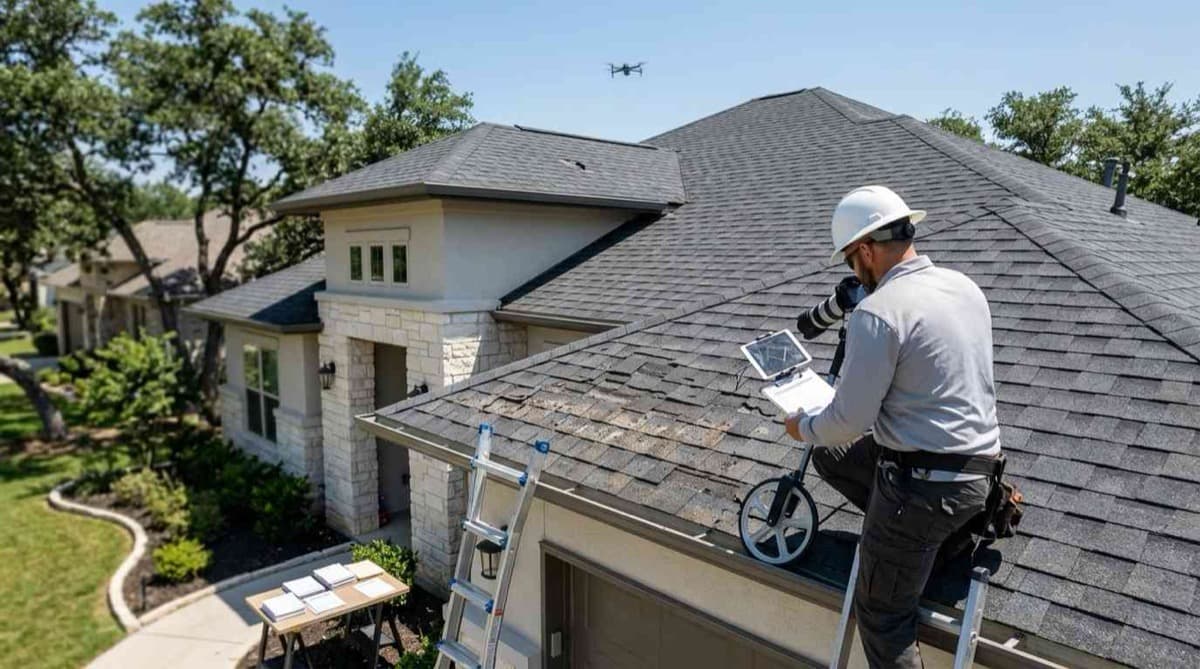
Most residential roof replacements in Austin take one to three days. The timeline depends on roof size, pitch, material type, and weather conditions on installation day. Your contractor gives you a more precise estimate after the inspection.

Does replacing a roof in the off-season save money?

It can. Demand drops in late fall and winter in Austin, and some contractors offer better pricing or faster scheduling during slower periods. The savings vary by company, but the scheduling advantage alone is often worth the timing consideration.

Can a roof be replaced in the rain?

No. Roofing work stops in active rain. Wet decking and wet materials create moisture problems that compromise the entire roof system. A reputable contractor monitors the forecast and reschedules rather than push through wet conditions.

WHY WAIT! GET A FREE ESTIMATE & CONSULTATION