Blog
Contractor Selection Criteria for New Roof Installation Projects
Published 2026-06-30T00:00:00+00:00
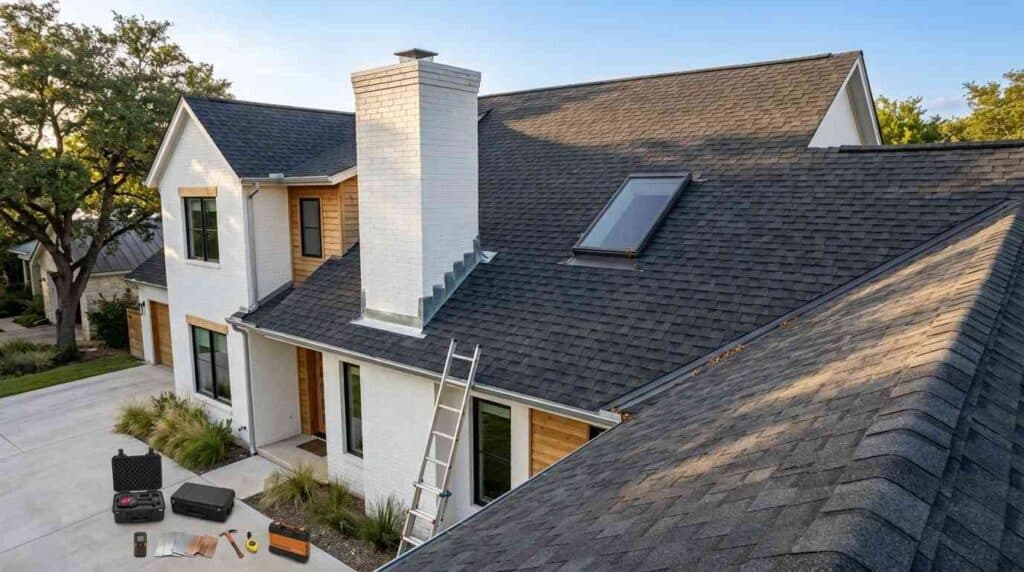
Contractor Selection Criteria for New Roof Installation Projects Choosing the right roofing contractor for a new roof installation determines the quality, durability, and long-term value of one of your home's most critical systems. In Austin, TX, where summer heat, hail seasons, and rapid growth have expanded the contractor market significantly, homeowners face a wide range…
Choosing the right roofing contractor for a new roof installation determines the quality, durability, and long-term value of one of your home's most critical systems. In Austin, TX, where summer heat, hail seasons, and rapid growth have expanded the contractor market significantly, homeowners face a wide range of options and not all of them are equal. Knowing what to look for before signing a contract protects your investment and prevents costly mistakes down the road.
This guide covers the essential criteria every homeowner should evaluate when selecting a roofing contractor for a new installation project in Austin. Why Contractor Selection Matters for Your Roof A new roof is one of the largest single investments a homeowner makes in their property. In Austin, the average cost of a full roof replacement ranges from $8,000 to $20,000 or more depending on home size, pitch, and material selection. That investment is only as sound as the contractor installing it.
Poor contractor selection leads to installation errors that void manufacturer warranties, create leak points, and require expensive remediation within just a few years. Selecting a qualified, licensed, and insured contractor from the start is not a precaution it is the foundation of a successful roofing project. Licensing, Insurance, and Legal Requirements in Austin, TX Before evaluating any other criteria, confirm that a contractor meets the baseline legal requirements to operate in Texas. These are non-negotiable. Verifying a Roofing License in Texas Texas does not require a statewide roofing license, but the City of Austin requires roofing contractors to hold a valid Austin contractor registration. You can verify a contractor's registration status through the City of Austin Development Services Department. Any contractor who cannot provide proof of current registration should be disqualified immediately.
Ask for the contractor's registration number and verify it independently. Do not rely solely on what is printed on a business card or website.
If you want to understand how licensing requirements connect to the full scope of what a qualified contractor manages on-site, our resource on how to verify a roofing license in Texas covers the verification process step by step, including what to check at the city and county level. What Insurance Coverage Should a Roofer Carry Every roofing contractor working on your property must carry two types of insurance: general liability insurance and workers' compensation coverage. General liability protects your property from damage caused during the project. Workers' compensation protects you from liability if a worker is injured on your roof.
Request certificates of insurance directly from the contractor's insurance provider not a copy handed to you by the contractor. Confirm that coverage is active and that the policy limits are sufficient for a project of your scope. A minimum of $1,000,000 in general liability coverage is a reasonable baseline for residential roofing projects. Experience, Specialization, and Local Track Record Licensing and insurance establish the legal floor. Experience and specialization determine whether a contractor can actually deliver quality work on your specific project. Years in Business vs. Project Volume Years in business is a useful signal, but project volume tells a more complete story. A contractor who has completed 200 residential roof installations in the past three years has more relevant, current experience than one who has been operating for 15 years with inconsistent volume. Ask for both figures and ask specifically about projects similar in scope, material type, and home size to yours.
Request a portfolio of completed projects in Austin. Reputable contractors maintain records of their work and can provide references from recent customers in your area. Familiarity With Austin's Climate and Building Codes Austin's climate creates specific roofing demands. High UV exposure, summer temperatures that regularly exceed 100°F, and periodic severe hail events require materials and installation methods suited to these conditions. A contractor with deep local experience understands which products perform best in Central Texas and how to install them to meet both manufacturer specifications and Austin's building code requirements.
Ask directly: how many roofs have you installed in Austin in the past two years, and what materials do you most commonly work with here?
The answer reveals both local experience and material expertise.
A contractor's experience is best evaluated in the context of the full scope of work involved our guide to the new roof installation process explains each phase from tear-off to final inspection so you know exactly what your contractor should be managing. Written Estimates, Contracts, and Scope of Work Every legitimate roofing contractor provides a detailed written estimate before any work begins. If a contractor offers only a verbal quote or a single-line price, that is a significant red flag. What a Legitimate Roofing Estimate Should Include A complete roofing estimate should itemize the following: the specific materials to be used (including manufacturer, product line, and color), the total square footage of the roof, labor costs broken out from material costs, the scope of any decking repair or replacement, disposal and cleanup fees, permit costs, and the project timeline.
Estimates that bundle all costs into a single number make it impossible to compare contractors fairly or identify where costs are inflated. Always request itemized estimates from at least three contractors before making a decision.
Understanding what drives pricing is essential before reviewing any estimate our breakdown of roofing cost factors covers material grades, labor rates, and project variables that directly affect what you should expect to pay in Austin. Red Flags in Roofing Contracts A signed contract should reflect everything in the estimate. Watch for contracts that omit the specific materials listed in the estimate, include vague language around "additional work as needed," require full payment upfront before work begins, or lack a defined project completion date.
A standard payment structure for residential roofing in Austin involves a deposit at contract signing (typically 10 to 30%), a progress payment at a defined project milestone, and a final payment upon satisfactory completion and inspection. Any contractor demanding full payment before work starts should be disqualified.
If you want to understand what every line item in a roofing estimate means before you sign, our guide on how to read a roofing estimate walks through each cost component in plain language. Material Quality and Manufacturer Warranties The materials a contractor installs directly affect the longevity and performance of your roof. A contractor's willingness to discuss material options, explain the differences between product tiers, and recommend the right solution for your home is itself a quality signal.
Ask whether the contractor is a certified installer for the manufacturer whose products they are recommending. Manufacturer certification programs such as GAF's Master Elite or Owens Corning's Preferred Contractor designation require contractors to meet installation standards, maintain insurance, and complete ongoing training. Certified installers can offer enhanced warranty coverage that non-certified installers cannot.
Understand the difference between a manufacturer's material warranty and a contractor's workmanship warranty. Material warranties cover product defects. Workmanship warranties cover installation errors. Both matter. A strong installation package includes a minimum 25-year manufacturer warranty on materials and a separate multi-year workmanship warranty from the contractor.
Choosing the right contractor also means choosing someone who works with quality materials suited to your home our overview of roof replacement materials compares shingle grades, metal options, and warranty tiers so you can align contractor capability with material selection. References, Reviews, and Reputation Signals A contractor's reputation is built over time through consistent work quality and customer experience. Before hiring, gather evidence from multiple independent sources.
Request three to five references from projects completed within the past 12 months in Austin. Contact each reference directly and ask specific questions: Was the project completed on time?
Did the final cost match the estimate? Were there any issues, and how did the contractor handle them? Would you hire them again?
Beyond personal references, review the contractor's profile on Google, the Better Business Bureau, and Houzz. Look for patterns across reviews rather than focusing on individual outliers. A contractor with 80 reviews averaging 4.7 stars tells a more reliable story than one with 12 reviews averaging 5.0.
A contractor's reputation is often built on the quality of their diagnostic work before any project begins learning about roof inspection services helps you understand what a thorough pre-project assessment looks like and what separates detail-oriented contractors from those who cut corners. Storm Damage, Insurance Claims, and Contractor Coordination Austin homeowners dealing with hail or wind damage face an additional layer of complexity: coordinating a roofing contractor with an insurance claim. This process requires a contractor who understands how to document damage properly, communicate with insurance adjusters, and complete repairs that meet both code requirements and insurer specifications.
Be cautious of contractors who approach you unsolicited after a storm, pressure you to sign a contract immediately, or offer to waive your insurance deductible. These are common tactics used by out-of-area contractors who follow storm events and prioritize volume over quality. Texas law prohibits contractors from waiving insurance deductibles, and any contractor who offers to do so is operating illegally.
When hail or wind has damaged your roof, contractor selection becomes even more critical because the process involves insurance adjusters, documentation, and code-compliant repairs our resource on storm damage roof repair walks through how to navigate that process with the right contractor by your side. Questions to Ask Before Signing With a Roofing Contractor Before committing to any contractor, ask these questions directly and evaluate the quality and specificity of the answers: Are you registered with the City of Austin, and can I verify your registration number independently? Can you provide current certificates of insurance for general liability and workers' compensation? How many new roof installations have you completed in Austin in the past 12 months? Are you a certified installer for the manufacturer whose products you are recommending? What workmanship warranty do you provide, and what does it cover? Who will be on-site managing my project daily you or a subcontractor? What is your process for handling unexpected decking damage or code-required upgrades discovered during installation? A contractor who answers these questions clearly, specifically, and without hesitation has demonstrated the transparency and professionalism that a project of this scale requires.
For a complete checklist of contractor vetting questions organized by project stage, our guide on questions to ask a roofing contractor covers every critical conversation point before, during, and after your installation. Conclusion Selecting the right contractor for a new roof installation in Austin requires evaluating licensing, insurance, local experience, material expertise, and contract transparency together no single factor is sufficient on its own. The criteria covered here give you a structured framework for comparing contractors objectively and identifying the warning signs that protect your investment.
Homeowners who apply these standards consistently find contractors who deliver on their commitments, stand behind their work, and provide the documentation needed to protect both the warranty and the property value.
At Tarrytown Roofing , we meet every criterion on this list and welcome the questions that come with it. Contact us to schedule a consultation and get a fully itemized estimate for your new roof installation project. Frequently Asked Questions Does Texas require roofing contractors to be licensed? Texas does not issue a statewide roofing license, but the City of Austin requires contractors to hold a valid local registration. Always verify a contractor's Austin registration status through the City of Austin Development Services Department before signing any contract. What insurance should a roofing contractor carry before working on my home? A roofing contractor must carry active general liability insurance and workers' compensation coverage. Request certificates of insurance directly from the insurer, not from the contractor, and confirm that coverage is current and sufficient for your project scope. How many estimates should I get before choosing a roofing contractor? Get at least three itemized written estimates from licensed, insured contractors before making a decision. Itemized estimates allow you to compare material quality, labor costs, and project scope accurately rather than comparing single-number totals that obscure important differences. What is the difference between a manufacturer warranty and a workmanship warranty? A manufacturer warranty covers defects in the roofing materials themselves. A workmanship warranty covers errors made during installation. Both are necessary. A strong roofing contract includes a minimum 25-year manufacturer material warranty and a separate multi-year workmanship warranty from the contractor. What are the warning signs of a storm chaser roofing contractor? Warning signs include unsolicited door-to-door contact after a storm, pressure to sign a contract immediately, offers to waive your insurance deductible, and no verifiable local registration or physical business address. Texas law prohibits deductible waivers, and any contractor offering one is operating illegally. How do I verify that a roofing contractor is a certified installer? Ask the contractor for their certification number and verify it directly on the manufacturer's website. GAF, Owens Corning, CertainTeed, and other major manufacturers maintain searchable contractor directories where you can confirm certification status and tier level independently. Should I pay a roofing contractor in full before work begins? No. A standard residential roofing payment structure in Austin involves a deposit at contract signing (typically 10 to 30%), a progress payment at a defined milestone, and a final payment upon satisfactory project completion. Any contractor requiring full payment upfront before work begins is a significant red flag.
Related
Blog
Underlayment Systems for New Roof Installations
Underlayment Systems for New Roof Installations Roofing underlayment is the protective layer installed directly on your roof deck beneath the shingles and choosing the right system is one of the most important decisions in any new roof installation. Most homeowners focus on shingle color or material, but underlayment is what stands between your home and…
Blog
Warranty Coverage for Roof Replacement Materials and Labor
Warranty Coverage for Roof Replacement Materials and Labor Most roof replacement warranties split into two separate coverages: one from the manufacturer protecting the materials, and one from your contractor protecting the installation work. Knowing what each covers, how long each lasts, and what can void them is essential before you sign any roofing contract. When…
Blog
Signs That a Roof Needs Full Replacement Rather Than Repair
Signs That a Roof Needs Full Replacement Rather Than Repair Not every roofing problem can be fixed with a patch. When damage is widespread, structural, or tied to a roof that has simply reached the end of its service life, repairs become a short-term solution to a long-term problem and the costs add up fast….
Ready for the next step?
Free inspection, real answers, no pressure.