Blog
Signs That a Roof Needs Full Replacement Rather Than Repair
Published 2026-07-06T00:00:00+00:00
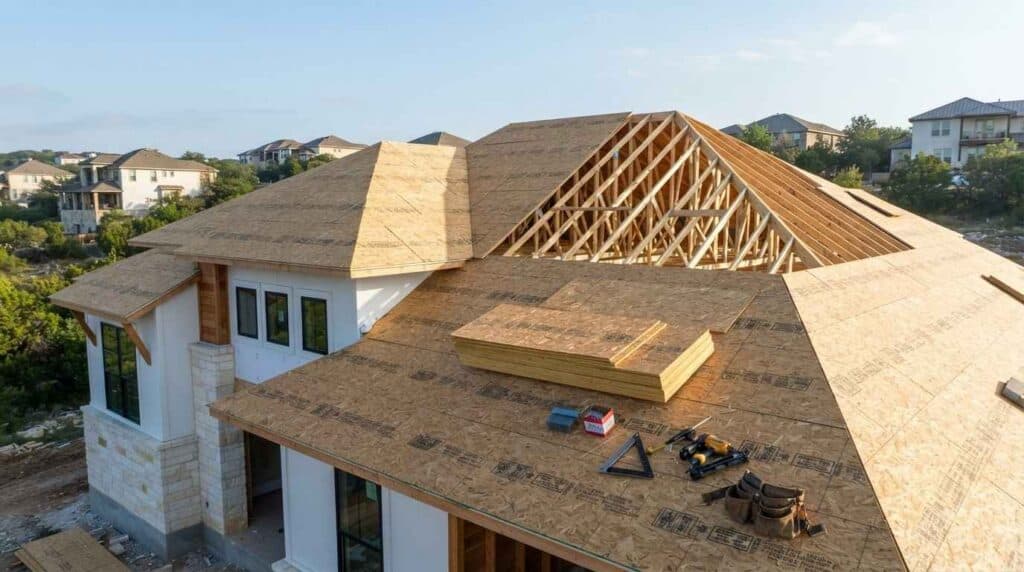
Signs That a Roof Needs Full Replacement Rather Than Repair Not every roofing problem can be fixed with a patch. When damage is widespread, structural, or tied to a roof that has simply reached the end of its service life, repairs become a short-term solution to a long-term problem and the costs add up fast….
Not every roofing problem can be fixed with a patch. When damage is widespread, structural, or tied to a roof that has simply reached the end of its service life, repairs become a short-term solution to a long-term problem and the costs add up fast.
Knowing the difference between a roof that needs targeted repair and one that needs full replacement protects your home and your budget from unnecessary risk.
This guide covers the most reliable indicators that replacement is the right call, from structural warning signs and shingle deterioration to persistent leaks, energy loss, and storm damage. Repair vs. Replacement Why the Distinction Matters The decision between repairing and replacing a roof comes down to three factors: the extent of the damage, the age of the roofing system, and the cost relationship between a repair and a full replacement.
A repair makes sense when damage is isolated, the roof is relatively young, and the fix addresses the root cause rather than masking a deeper problem. Replacement becomes the right answer when damage is widespread, the roof is approaching or past its expected lifespan, or when repeated repairs are costing more than a new roof would over the same period.
Understanding when to repair versus replace is one of the most consequential decisions a homeowner faces our roof repair vs. replacement guide breaks down the full cost comparison, decision framework, and long-term value analysis to help you choose the right path for your home.
The sections below focus specifically on the physical signs that indicate replacement is the appropriate course of action. Structural Damage That Goes Beyond Surface Repairs Surface-level roofing problems a few missing shingles, minor flashing issues, small punctures are generally repairable. Structural damage is a different category entirely. When the underlying framework of the roof is compromised, no amount of surface patching resolves the problem. Sagging Roof Deck or Visible Structural Deflection A sagging roofline is one of the clearest indicators that a roof has moved beyond repair territory. Sagging occurs when the roof deck the structural layer beneath the shingles has weakened due to prolonged moisture exposure, rot, or inadequate support. You may notice it as a visible dip or wave along the roofline, or as a soft, spongy feeling when walking on the roof surface.
This type of damage affects the structural integrity of the entire roofing system. Replacing shingles over a compromised deck does not address the underlying failure and creates ongoing safety and performance risks. Widespread Rot or Deterioration in the Roof Decking Rot in the roof decking typically develops slowly, driven by moisture that has penetrated the roofing system over months or years. When rot is isolated to a small section, targeted decking replacement during a repair may be sufficient. When rot is widespread spanning multiple sections of the deck full replacement is the only way to ensure the new roofing system has a sound foundation.
A professional roof inspection is the most reliable way to assess the extent of decking deterioration before committing to a repair or replacement plan. Age and Material Lifespan as Replacement Indicators Roof age is one of the most straightforward replacement indicators, and one that homeowners sometimes overlook when a roof appears to be in reasonable visual condition.
Asphalt shingles the most common residential roofing material in Austin carry a typical service life of 20 to 30 years depending on the product grade, installation quality, and local climate conditions. A roof that is 20 years old or older may still look functional from the ground, but the underlying materials are likely degraded in ways that are not immediately visible.
When a roof is within five years of its expected end of life, the calculus on repairs changes significantly. Investing in a major repair on a roof that will need full replacement within a few years rarely delivers value. Different roofing materials age at very different rates, and knowing where your roof stands is critical our breakdown of roof lifespan by material covers expected service life for asphalt shingles, metal, tile, and wood shake so you can benchmark your roof's age against industry standards. Extent of Shingle Damage Across the Roof Surface The scope of shingle damage matters as much as the type. Isolated shingle damage in one area of the roof is a repair scenario. Damage that is distributed across multiple sections, slopes, or the majority of the roof surface points toward replacement. Granule Loss and Bald Patches on Asphalt Shingles Asphalt shingles are coated with granules that protect the underlying asphalt layer from UV exposure and weathering. As shingles age, granule loss accelerates. You may notice granules accumulating in gutters or downspouts, or bald patches visible on the shingle surface from the ground.
Significant granule loss across the roof surface means the shingles have lost their primary protective layer. Once the asphalt is exposed, deterioration accelerates rapidly, and the roof's ability to shed water effectively is compromised. Cracking, Curling, and Missing Shingles at Scale Individual cracked or curling shingles can be replaced. When cracking, curling, or missing shingles appear across large sections of the roof, the pattern indicates that the shingles as a system have reached the end of their functional life. Replacing shingles in isolated patches on an otherwise deteriorated roof creates mismatched performance across the surface and does not address the underlying aging of the system. Persistent Leaks and Interior Water Damage A single roof leak, properly diagnosed and repaired, does not necessarily indicate that a full replacement is needed. The concern arises when leaks are recurring, when multiple leak points exist simultaneously, or when interior water damage reveals that moisture has been penetrating the roofing system for an extended period.
Signs of long-term water intrusion include water stains on ceilings or walls, mold or mildew growth in the attic, damaged insulation, and deteriorated roof decking visible from inside the attic space. These indicators suggest that moisture has been working its way through the roofing system over time not as a result of a single isolated event.
When leaks become recurring rather than isolated, the repair approach changes significantly our overview of the roof leak repair process explains how contractors assess leak severity, trace water intrusion paths, and determine whether targeted repairs or full replacement is the appropriate response. Energy Efficiency Decline and Rising Utility Costs A deteriorating roof affects more than weather protection. As roofing materials age and the system loses its integrity, the thermal performance of the roof declines. Gaps, deteriorated underlayment, and compromised insulation allow conditioned air to escape and outdoor heat to penetrate a particularly significant issue in Austin's climate, where summer cooling costs are substantial.
If you have noticed a steady increase in energy bills without a corresponding change in usage patterns, the roof's thermal performance may be a contributing factor. While energy efficiency alone rarely justifies full replacement, it is a meaningful data point when combined with other signs of deterioration. When Insurance Claims and Storm Damage Justify Replacement Severe weather events hail storms, high winds, and falling debris can cause damage that meets the threshold for full roof replacement under a homeowner's insurance policy. The key distinction is between cosmetic damage, which may not trigger a full replacement claim, and functional damage that compromises the roof's ability to protect the home.
Hail damage to asphalt shingles, for example, creates impact points that accelerate granule loss and create vulnerability to future water intrusion. When hail damage is widespread across the roof surface, insurance adjusters will typically assess whether the damage meets the threshold for full replacement coverage.
Navigating insurance after a major storm requires knowing exactly what adjusters look for and how to document damage correctly our guide to storm damage roof claims walks through the full claims process, what qualifies for full replacement coverage, and how to work with your contractor and insurer together. Conclusion Recognizing the signs that a roof needs full replacement rather than repair protects homeowners from the compounding costs of repeated short-term fixes on a system that has reached the end of its service life. Structural damage, widespread shingle deterioration, persistent leaks, and advanced age are the most reliable indicators that replacement is the right decision.
For Austin homeowners, acting on these signs before a minor problem becomes a major failure is the most cost-effective approach to long-term roof performance and home protection.
At Tarrytown Roofing , we help homeowners assess their roof's condition honestly and make informed decisions about repair versus replacement contact us for a professional roof inspection and a clear, straightforward recommendation built around your home's specific needs. Frequently Asked Questions How do I know if my roof needs to be replaced or just repaired? The key factors are the age of the roof, the extent of the damage, and whether the damage is isolated or widespread. A roof within five years of its expected lifespan or with damage across multiple sections typically warrants replacement over repair. At what age should a roof be replaced? Most asphalt shingle roofs have a service life of 20 to 30 years. A roof approaching or past 20 years should be evaluated carefully, even if it appears functional, as underlying material degradation may not be visible from the ground. Can a sagging roof be repaired without full replacement? Sagging indicates structural compromise in the roof deck or support system. While isolated sagging in a small area may be repairable, widespread sagging across the roofline almost always requires full replacement to restore structural integrity. Does insurance cover a full roof replacement? Homeowner's insurance typically covers roof replacement when damage results from a covered event such as a hail storm or high winds and the damage is functional rather than purely cosmetic. The extent of coverage depends on your policy terms and the adjuster's assessment of the damage. How many times can a roof be repaired before it needs to be replaced? There is no fixed number, but when repair costs are recurring and cumulative, or when repairs address symptoms rather than the root cause of deterioration, replacement becomes the more cost-effective long-term solution. A professional inspection can help determine when that threshold has been reached. What does granule loss on shingles mean for my roof? Granule loss indicates that asphalt shingles are aging and losing their UV-protective coating. Moderate granule loss in gutters is normal for older roofs, but widespread bald patches across the shingle surface signal that the shingles have lost their protective capacity and replacement should be considered. Is it safe to stay in a home with a damaged roof? Minor damage that does not compromise the structural integrity of the roof is generally not an immediate safety concern, though it should be addressed promptly. Significant structural damage, widespread leaking, or visible sagging warrants professional assessment before determining whether the home is safe to occupy without remediation.
Related
Blog
Underlayment Systems for New Roof Installations
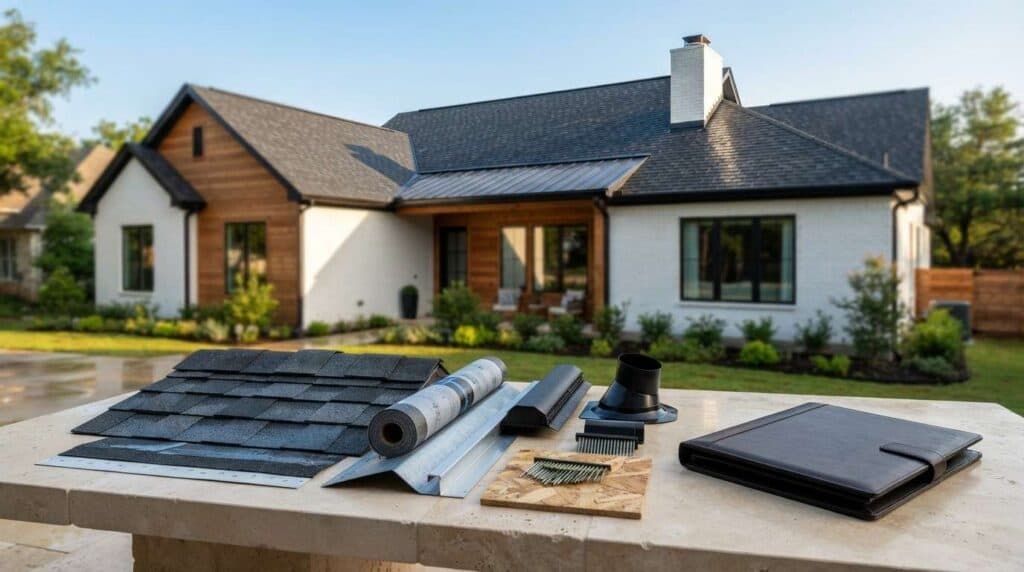
Underlayment Systems for New Roof Installations Roofing underlayment is the protective layer installed directly on your roof deck beneath the shingles and choosing the right system is one of the most important decisions in any new roof installation. Most homeowners focus on shingle color or material, but underlayment is what stands between your home and…
Blog
Warranty Coverage for Roof Replacement Materials and Labor
Warranty Coverage for Roof Replacement Materials and Labor Most roof replacement warranties split into two separate coverages: one from the manufacturer protecting the materials, and one from your contractor protecting the installation work. Knowing what each covers, how long each lasts, and what can void them is essential before you sign any roofing contract. When…
Blog
Structural Decking and Sheathing Requirements for New Roofs
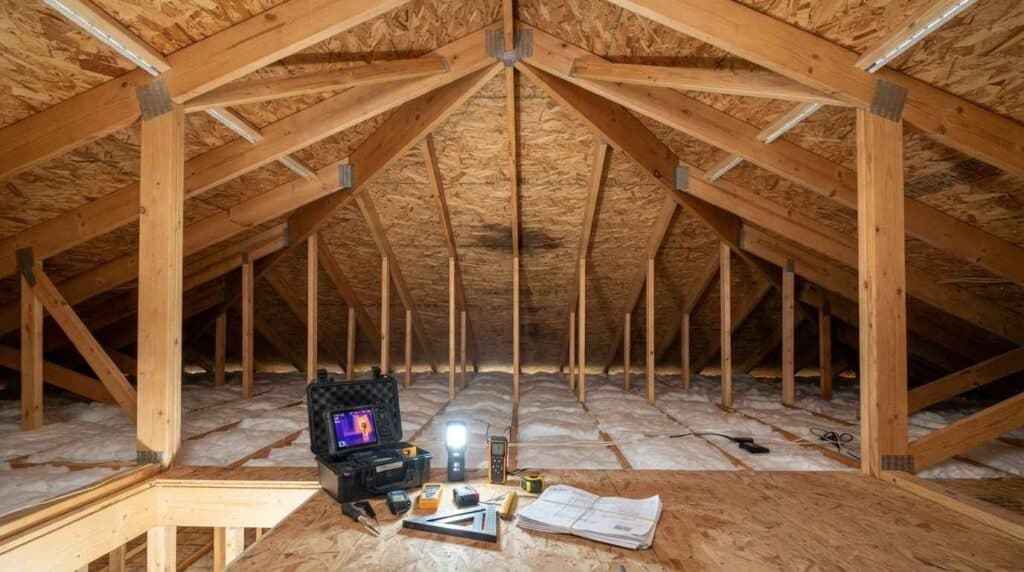
Structural Decking and Sheathing Requirements for New Roofs Roof decking and sheathing form the structural foundation of every new roof and getting the requirements right determines whether your roof performs for 20 years or fails in the first storm season. In Austin, TX, where heat, humidity, and severe weather cycles put roofs under constant stress,…
Ready for the next step?
Free inspection, real answers, no pressure.