Blog
Warranty Coverage for Roof Replacement Materials and Labor
Published 2026-07-07T00:00:00+00:00
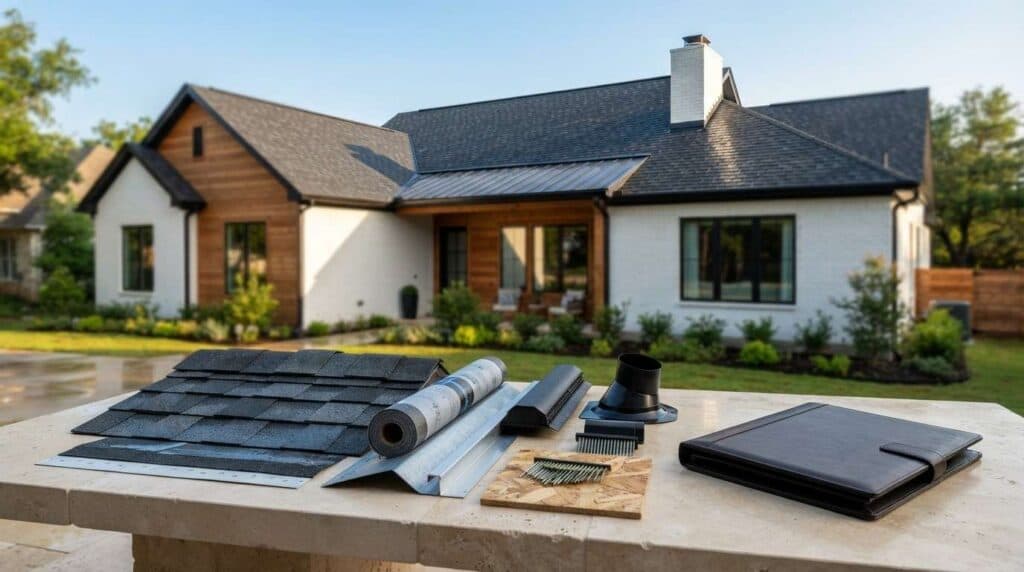
Warranty Coverage for Roof Replacement Materials and Labor Most roof replacement warranties split into two separate coverages: one from the manufacturer protecting the materials, and one from your contractor protecting the installation work. Knowing what each covers, how long each lasts, and what can void them is essential before you sign any roofing contract. When…
Most roof replacement warranties split into two separate coverages: one from the manufacturer protecting the materials, and one from your contractor protecting the installation work. Knowing what each covers, how long each lasts, and what can void them is essential before you sign any roofing contract. When a roof replacement goes wrong, the question of who is responsible, and whether your warranty actually applies, can cost thousands of dollars to answer the hard way. This guide explains both material and labor warranty types, what exclusions to watch for, and how Austin homeowners can protect their coverage long-term.
A roof replacement warranty is a written guarantee that either the materials installed or the labor performed will meet a defined standard for a set period of time. These two coverages are distinct, issued by different parties, and governed by different terms. Material warranties come from the manufacturer of the roofing product, such as shingles, underlayment, or metal panels. They protect against defects in the product itself, including premature cracking, granule loss, or structural failure that occurs under normal conditions. Labor warranties, also called workmanship warranties, come from the roofing contractor. They cover errors made during installation, such as improper flashing, inadequate fastening, or poor sealing around penetrations. If a leak develops because of how the roof was installed rather than a product defect, the labor warranty is what applies. Understanding how a roof replacement is structured from start to finish helps clarify which warranty applies to which part of the work. Our roof replacement process guide walks through every phase from tear-off to final inspection so you know exactly what work should be guaranteed.
Not all roofing warranties offer the same level of protection. The type of warranty you receive depends on the materials chosen, the contractor you hire, and whether your contractor is certified by the manufacturer.
Standard manufacturer warranties cover defects in the roofing material itself. These are included automatically when a product is purchased and typically range from 20 to 30 years for asphalt shingles, though coverage often prorates over time, meaning the manufacturer's financial responsibility decreases as the roof ages. Standard warranties do not cover installation errors. If a shingle fails because it was improperly nailed, the manufacturer is not liable. This is one of the most common points of confusion homeowners encounter when filing a claim.
Enhanced warranties, sometimes called system warranties or total protection warranties, are available when a contractor installs a complete roofing system using products from a single manufacturer, including shingles, underlayment, starter strips, ridge caps, and ventilation components. These warranties offer broader coverage, longer terms, and in many cases non-prorated protection for a defined period. Enhanced warranties are only available through contractors who hold manufacturer certification, which requires meeting installation standards, maintaining insurance, and completing ongoing training. If your contractor is not certified, this level of coverage is not available to you. If you are comparing shingles, metal panels, or other systems, our roofing material options guide compares each system alongside the warranty terms each manufacturer typically offers, helping you match the right product to your coverage goals.
A workmanship warranty is issued directly by your roofing contractor and covers the quality of the installation. Terms vary widely across contractors. Some offer one to two years, while established contractors may offer five to ten years or longer. This warranty is only as reliable as the contractor behind it. A workmanship warranty from a company that goes out of business is unenforceable. When evaluating contractors, ask specifically about the length of their workmanship warranty, what it covers, and whether it is transferable if you sell your home.
Warranty duration varies significantly by material type, product tier, and whether the installation qualifies for an enhanced warranty. The following ranges reflect typical industry terms.
Asphalt shingles carry manufacturer warranties ranging from 25 to 50 years depending on the product line, though lifetime warranties on premium shingles often prorate after the first 10 to 15 years. Metal roofing systems typically carry 30 to 50-year paint and finish warranties, with some structural warranties extending to 40 years or more. Tile and slate roofing often carry 50-year or lifetime material warranties given their inherent durability. Workmanship warranties from contractors are shorter by nature, typically ranging from 1 to 10 years, with the industry average falling between 2 and 5 years for standard contractors and 5 to 10 years for certified or premium contractors. Warranty length is closely tied to how long each roofing material is engineered to perform. Our roof lifespan by material breakdown explains the expected service life of every major roofing system so you can match your warranty term to your long-term plans.
Warranty voids are more common than most homeowners expect. Both manufacturer and workmanship warranties contain exclusions that, if triggered, eliminate your coverage entirely or reduce what the issuing party will pay.
Walking on the roof improperly or allowing unqualified workers to perform repairs can void both material and labor warranties. Most manufacturers specify that only certified contractors may perform work on a warranted roof. If a handyman patches a leak and causes additional damage, the manufacturer may deny any future claim. Improper ventilation is one of the leading causes of premature shingle failure and is frequently cited as a warranty exclusion. If the attic ventilation system does not meet the manufacturer's specifications, the material warranty may be voided regardless of how well the shingles were installed. Failure to maintain the roof is another common exclusion. Clogged gutters, accumulated debris, and unaddressed minor damage can all be cited by a manufacturer or contractor as evidence of neglect, which shifts liability away from the warranty issuer. Many warranty voids stem from skipped or improper maintenance. Our roof maintenance schedule outlines the seasonal inspections and upkeep tasks that keep your warranty intact and your roof performing as designed.
Protecting your warranty requires active attention throughout the life of your roof, not just at the time of installation. There are several practical steps every homeowner should take. Keep all documentation from your roof replacement, including the contract, material receipts, warranty certificates, and any manufacturer registration confirmation. Many manufacturer warranties require registration within a set window after installation. Missing that deadline can reduce your coverage term or eliminate enhanced warranty eligibility. Schedule regular inspections, particularly after severe weather events. Hail, high winds, and falling debris can cause damage that, if left unaddressed, may be classified as neglect rather than a covered event. Documenting the condition of your roof before and after storms creates a clear record that supports any future claim. Only hire certified or qualified contractors for any repair work performed after installation. Unauthorized repairs are one of the most common reasons warranty claims are denied. Scheduling a professional roof inspection is one of the most reliable ways to protect your warranty before exclusion triggers develop. Our roof inspection services in Austin identify issues early, giving you the documentation and repair history that supports a valid warranty claim.
Austin's climate creates specific warranty considerations that homeowners in other regions may not face. Central Texas experiences intense UV exposure, high summer temperatures, periodic hail events, and occasional severe wind storms, all of which affect both material performance and warranty applicability. Hail is a particular concern in the Austin area. When hail damage occurs, the question of whether the damage is covered under a manufacturer warranty, a homeowner's insurance policy, or both requires careful documentation. Manufacturer warranties typically do not cover hail damage as a product defect. Hail claims generally fall under homeowner's insurance, not the roofing warranty. Understanding this distinction before a storm event prevents confusion and delays when you need to act quickly. Choosing a contractor who is manufacturer-certified and familiar with Central Texas building codes ensures that your installation meets the standards required to maintain full warranty coverage. Contractors who cut corners on ventilation, underlayment, or flashing to reduce costs may inadvertently void the manufacturer warranty before the roof is even a year old. Warranty terms and contractor guarantees can vary significantly by region. Our roof replacement in Austin page covers the specific materials, labor standards, and warranty expectations that apply to Central Texas homes, helping you make a fully informed decision before your project begins.
Roof replacement warranties protect two distinct investments: the materials on your roof and the labor that installed them. Understanding the difference between manufacturer coverage and workmanship guarantees helps you evaluate contractors, choose the right materials, and respond correctly when something goes wrong. Keeping your warranty valid requires ongoing attention, from proper maintenance to using certified contractors for any future repairs. The terms you agree to at installation govern your protection for decades. At Tarrytown Roofing , we provide clear warranty documentation, certified installation, and long-term support so Austin homeowners always know exactly what their roof coverage includes.
A material warranty is issued by the manufacturer and covers defects in the roofing product itself. A labor warranty is issued by the contractor and covers errors made during installation. Both are separate documents with different terms, durations, and claim processes.
Material warranties on asphalt shingles typically range from 25 to 50 years depending on the product. Contractor workmanship warranties generally range from 2 to 10 years. Enhanced system warranties from certified contractors can extend material coverage to 50 years or more with non-prorated terms.
Common causes of warranty voids include improper attic ventilation, unauthorized repairs by uncertified workers, failure to register the warranty with the manufacturer, and neglecting routine maintenance such as clearing gutters and addressing minor damage promptly.
Some manufacturer warranties and workmanship warranties are transferable, but transfer policies vary. Many require written notification to the manufacturer or contractor within a set number of days after the sale. Review your warranty documents carefully and ask your contractor about transfer procedures before listing your home.
Hail damage is generally not covered under a manufacturer material warranty because it is considered an external event rather than a product defect. Hail damage claims typically fall under your homeowner's insurance policy. Documenting your roof's condition before and after storms is essential for supporting an insurance claim.
An enhanced warranty is available when a certified contractor installs a complete roofing system using products from a single manufacturer. Qualification requires using all specified components, including underlayment, starter strips, and ventilation, and having the work performed by a contractor who holds current manufacturer certification.
To file a material warranty claim, contact the manufacturer directly with your warranty certificate, proof of purchase, and documentation of the defect. For a workmanship claim, contact your roofing contractor with photos and a written description of the issue. Keeping all original documents and inspection records significantly strengthens any claim.
Related
Blog
Underlayment Systems for New Roof Installations
Underlayment Systems for New Roof Installations Roofing underlayment is the protective layer installed directly on your roof deck beneath the shingles and choosing the right system is one of the most important decisions in any new roof installation. Most homeowners focus on shingle color or material, but underlayment is what stands between your home and…
Blog
Signs That a Roof Needs Full Replacement Rather Than Repair
Signs That a Roof Needs Full Replacement Rather Than Repair Not every roofing problem can be fixed with a patch. When damage is widespread, structural, or tied to a roof that has simply reached the end of its service life, repairs become a short-term solution to a long-term problem and the costs add up fast….
Blog
Structural Decking and Sheathing Requirements for New Roofs
Structural Decking and Sheathing Requirements for New Roofs Roof decking and sheathing form the structural foundation of every new roof and getting the requirements right determines whether your roof performs for 20 years or fails in the first storm season. In Austin, TX, where heat, humidity, and severe weather cycles put roofs under constant stress,…
Ready for the next step?
Free inspection, real answers, no pressure.