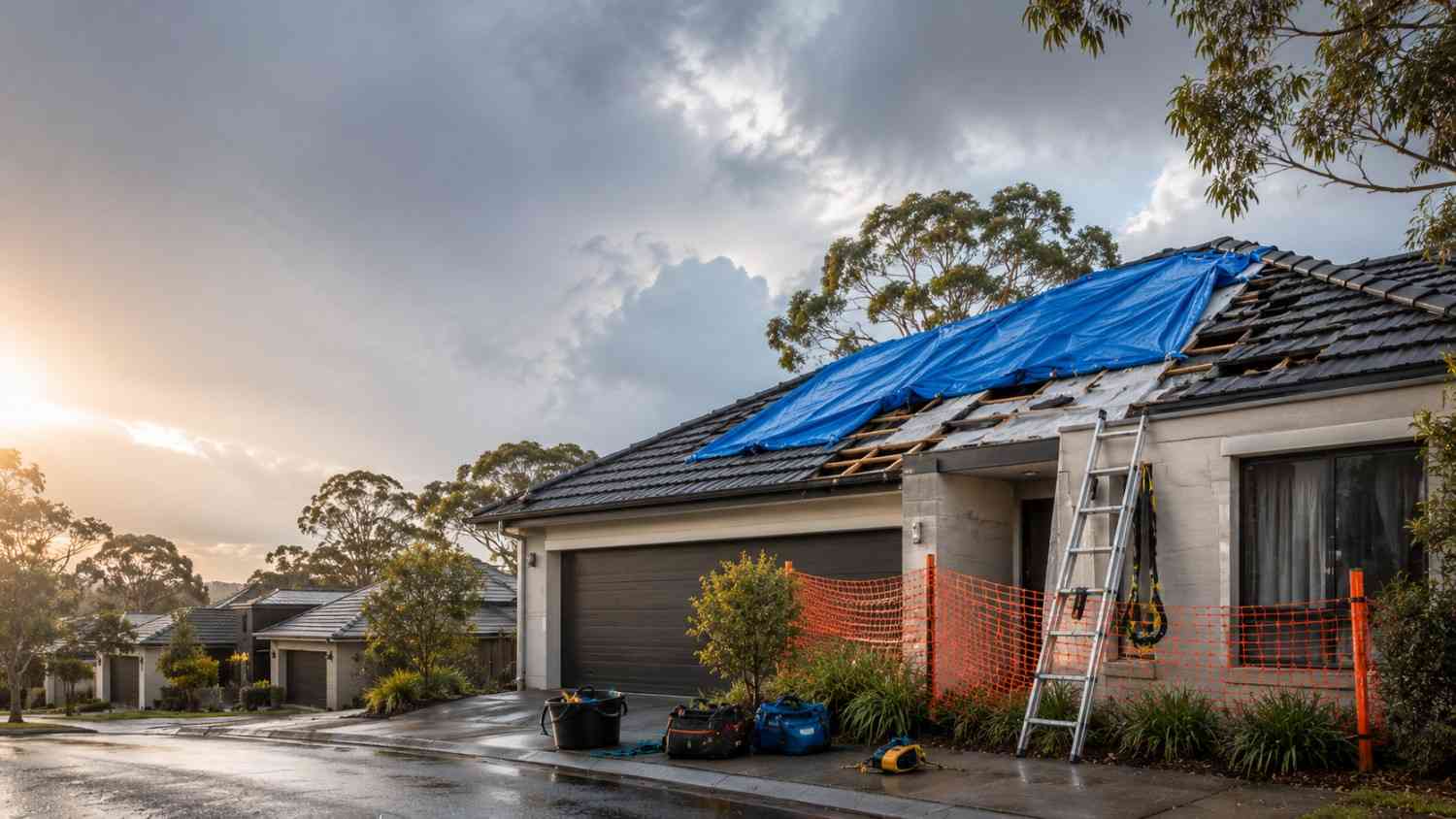
Australian home with professionally secured emergency roof repairs after storm damage, featuring temporary weatherproof protection and a safe, organized residential worksite.
A sudden roof failure is one of the most stressful situations a homeowner can face and the decisions you make in the first hours determine how much damage your home sustains and how smoothly your recovery unfolds. Emergency roof repair covers the full range of immediate responses to unexpected roof failures, from storm damage and fallen trees to structural collapses and sudden leaks that threaten your home’s interior. Acting quickly, safely, and with the right information is the difference between a manageable repair and a catastrophic loss. Understanding what qualifies as a roofing emergency, and what to do about it, protects your home and your financial investment when time is most critical. This guide covers every dimension of emergency roof response: identifying a true roofing emergency, taking immediate protective action, understanding the most common causes of sudden roof failures in Austin, navigating repair costs and insurance claims, choosing a trustworthy contractor, and knowing when an emergency repair points toward full replacement.

What Counts as a Roofing Emergency?

Not every roof problem is an emergency, but knowing the difference between a situation that demands immediate action and one that can wait for a scheduled appointment is critical for protecting your home and avoiding unnecessary panic or expense. A roofing emergency is any condition that creates an immediate risk of water intrusion, structural compromise, or safety hazard. This includes large sections of missing or displaced shingles, visible holes or punctures in the roof deck, collapsed or sagging roof sections, exposed underlayment after a storm, and any situation where interior spaces are actively exposed to the elements. If rain is entering your home through the roof right now, that is an emergency. If a tree has landed on your roof, that is an emergency. If a windstorm has peeled back a significant portion of your roofing material, that is an emergency.

Storm Damage vs. Gradual Deterioration

The distinction between storm damage and gradual deterioration matters for both your response timeline and your insurance coverage. Storm damage is sudden, event-driven, and typically covered under standard homeowner’s insurance policies. Gradual deterioration the slow breakdown of shingles, flashing, or underlayment over years of weathering is generally considered a maintenance issue and is not covered by most policies. Storm damage demands immediate action because the roof’s protective barrier has been compromised in a way that will worsen rapidly with any additional rainfall or wind. Gradual deterioration, while serious, allows time for a scheduled inspection and planned repair. The challenge is that many homeowners do not discover gradual deterioration until a storm event accelerates the damage, blurring the line between the two categories.

Signs Your Roof Needs Immediate Attention

Certain visual and physical signals indicate that a roof failure is either in progress or imminent. Water stains spreading across ceilings or walls, daylight visible through the attic, granules accumulating in gutters after a storm, shingles found in the yard, and sagging or bubbling in the roof surface are all indicators that require same-day professional assessment. Interior water dripping during or after rain is never a “wait and see” situation. Storm damage is one of the most common triggers for emergency calls our complete guide to storm damage roof repair covers every repair type, from missing shingles and blown-off flashing to structural damage caused by high-wind events, so you know exactly what to expect when a contractor arrives at your home.

Immediate Steps to Take When Your Roof Fails

The first 30 to 60 minutes after discovering a roof failure are the most consequential. The actions you take and the ones you avoid directly determine how much secondary damage your home sustains before professional help arrives. The first priority is personal safety. Do not attempt to climb onto a damaged roof under any circumstances, particularly during or immediately after a storm. Wet roofing surfaces, compromised structural sections, and unstable debris create fall hazards that no repair is worth risking. All assessment in the immediate aftermath should be done from the ground or from inside the attic if it is safe to access.

How to Safely Assess Roof Damage from the Ground

A ground-level visual inspection can reveal a significant amount of information without putting you at risk. Walk the perimeter of your home and look for missing or displaced shingles, visible damage to ridge caps and flashing, gutters that have been pulled away from the fascia, and any debris that has impacted the roof surface. Photograph everything you can see from ground level this documentation will be essential for your insurance claim. From inside, check the attic for daylight penetration, wet insulation, water staining on the decking, or active dripping. If the attic is accessible and structurally sound, a flashlight inspection can reveal damage that is not visible from outside. Document all interior findings with photographs and note the time and date of your inspection.

Temporary Protective Measures Before the Contractor Arrives

If rain is imminent or already falling, temporary interior protection is your next priority. Place buckets or containers under active drips, lay down plastic sheeting to protect flooring and furniture, and move valuables away from affected areas. Do not attempt to apply roofing materials yourself unless you have professional experience improper temporary repairs can complicate insurance claims and create additional damage. Contact a licensed roofing contractor immediately and request emergency service. Reputable contractors in Austin maintain emergency response availability for exactly these situations. While you wait, avoid the temptation to use a ladder or access the roof leave all exterior temporary protection to the professionals. Before a licensed contractor can complete permanent repairs, protecting your home from further water intrusion is the most urgent priority our dedicated resource on emergency roof tarping and temporary repairs walks through every step of the temporary protection process, from selecting the right tarp size to securing it safely without causing additional damage.

Common Causes of Sudden Roof Failures in Austin, TX

Austin’s climate creates a specific and demanding set of conditions for residential roofing systems. The combination of intense heat, severe thunderstorms, periodic hail events, and occasional high-wind episodes means that Austin homeowners face a broader range of emergency risk factors than homeowners in more temperate climates. Understanding the most common causes of sudden roof failures in this region helps you recognize risk before it becomes a crisis.

Hail and High-Wind Events

Central Texas sits within one of the most active hail corridors in the United States, a region sometimes called the “Hail Alley” that stretches from Texas through Oklahoma and into Kansas. Austin experiences multiple significant hail events each year, with hailstones ranging from pea-sized to golf ball-sized or larger. Even moderate hail can crack or dislodge asphalt shingles, damage metal flashing, and compromise the granule coating that protects shingles from UV degradation. High-wind events, which frequently accompany Central Texas thunderstorms, can lift and displace shingles, tear off ridge caps, and stress the fasteners holding roofing materials in place. According to the Insurance Information Institute, wind and hail combined account for the largest share of homeowner insurance claims in the United States, and Texas consistently ranks among the top states for storm-related roofing losses.

Fallen Trees and Impact Damage

Austin’s urban tree canopy, while one of the city’s defining characteristics, creates a significant impact damage risk during severe weather. Live oaks, cedar elms, and pecan trees all common in Austin residential neighborhoods can drop large limbs or fall entirely during high-wind events, ice storms, or periods of drought stress. A fallen tree or large limb can puncture the roof deck, collapse rafters, and create an opening that exposes the entire interior of a home to the elements within minutes. Impact damage from fallen trees is among the most severe emergency scenarios because it often involves structural compromise beyond the roofing system itself. Rafters, decking, and even wall framing can be affected, requiring a structural assessment before any roofing repair can begin.

Flash Flooding and Water Intrusion

Austin’s geography makes it one of the most flash-flood-prone cities in the United States. The Balcones Escarpment creates conditions where rainfall can intensify rapidly and overwhelm drainage systems. While flash flooding is primarily a ground-level hazard, it creates roofing emergencies in two ways: standing water on low-slope or flat roof sections can overwhelm drainage capacity and force water under roofing materials, and debris carried by wind during flood-producing storms can impact and damage roof surfaces. Water intrusion from any source whether driven by wind, accumulated on a flat section, or entering through a compromised flashing joint can cause significant interior damage within hours. Insulation becomes saturated, drywall begins to deteriorate, and mold growth can begin within 24 to 48 hours of sustained moisture exposure. Hail is the single most destructive weather event for residential roofs in Central Texas, and understanding how it causes damage is only the first step our in-depth guide to hail damage roof repair in Austin explains how to identify hail impact patterns, what repairs are typically required, and how to navigate the insurance claim process specific to Texas homeowners.

Emergency Roof Repair Costs: What to Expect

Emergency roof repair costs in Austin, TX vary significantly based on the nature and extent of the damage, the materials involved, the time of the call, and the scope of work required to restore the roof’s protective function. Understanding the cost landscape before you receive a contractor estimate helps you evaluate proposals accurately and avoid overpaying during a stressful situation. According to HomeAdvisor’s 2024 roofing cost data, the national average for emergency roof repair ranges from $300 to $1,500 for minor repairs, while more extensive emergency work involving structural damage or large surface areas can reach $3,000 to $8,000 or more. Austin’s labor market and material costs generally align with national averages, though post-storm demand surges can temporarily elevate pricing.

Factors That Affect Emergency Repair Pricing

Several variables drive the final cost of an emergency roof repair. The size of the damaged area is the most significant factor, a few displaced shingles cost far less to address than a 200-square-foot section of exposed decking. The roofing material type also affects pricing: asphalt shingle repairs are generally the most affordable, while tile, metal, and slate repairs require specialized labor and materials that carry higher costs. Timing is another major pricing variable. Emergency calls outside of standard business hours evenings, weekends, and holidays typically carry premium rates that reflect the contractor’s availability and mobilization costs. The severity of the structural damage also matters: repairs that require decking replacement, rafter repair, or flashing reconstruction involve more labor hours and material costs than surface-level shingle work. Access difficulty, roof pitch, and the presence of multiple roof levels or complex architectural features can all add to the labor component of an estimate. In Austin specifically, post-storm demand can create temporary pricing pressure as multiple homeowners in the same area seek emergency service simultaneously.

Temporary vs. Permanent Repair Cost Comparison

Temporary repairs primarily tarping and emergency patching are designed to stop immediate water intrusion and protect the home until permanent repairs can be completed. These typically cost between $200 and $600 depending on the area covered and the materials used. Temporary repairs are not a substitute for permanent work, and most contractors will apply the cost of temporary protection toward the final repair invoice. Permanent repairs address the underlying damage and restore the roof to its full protective function. The cost difference between temporary and permanent work can be substantial, particularly when structural elements are involved. It is important to understand that delaying permanent repairs after temporary protection is in place can allow secondary damage moisture infiltration, mold growth, and material degradation to increase the total cost of restoration. Emergency repairs carry a different pricing structure than scheduled work, and understanding the full range of variables helps you budget accurately and avoid overpaying our roof repair cost breakdown covers material costs, labor rates, regional pricing factors in Austin, and how to compare contractor estimates so you can make a confident financial decision.

Working With Your Insurance Company After a Roof Emergency

For most homeowners, a significant roof emergency will involve an insurance claim. Navigating the claims process correctly and promptly is one of the most important steps in your emergency response, and the actions you take in the first 24 to 48 hours can directly affect the outcome of your claim. Standard homeowner’s insurance policies in Texas cover sudden and accidental damage from named perils, which typically include wind, hail, falling objects, and certain types of water damage. Damage resulting from lack of maintenance, gradual deterioration, or pre-existing conditions is generally excluded. Understanding what your policy covers before an emergency occurs is the best preparation but even if you have not reviewed your policy recently, the steps below apply to most standard claims.

How to Document Damage for an Insurance Claim

Documentation is the foundation of a successful insurance claim. Begin photographing and videoing all visible damage as soon as it is safe to do so from the ground, from inside the attic, and from any safe vantage point that captures the extent of the damage. Include wide-angle shots that show the full roof surface and close-up shots that capture specific damage points. Photograph the interior as well, including water staining, wet insulation, and any damaged personal property. Note the date and time of the weather event that caused the damage, and save any weather alerts, news reports, or National Weather Service notifications that document the storm. This contextual evidence supports your claim by establishing that the damage was caused by a covered event rather than pre-existing conditions. Contact your insurance company to report the damage as soon as possible most policies require prompt notification, and delays can complicate the claims process. Request a claim number and ask about the timeline for an adjuster visit.

What Roofing Contractors Can Do to Support Your Claim

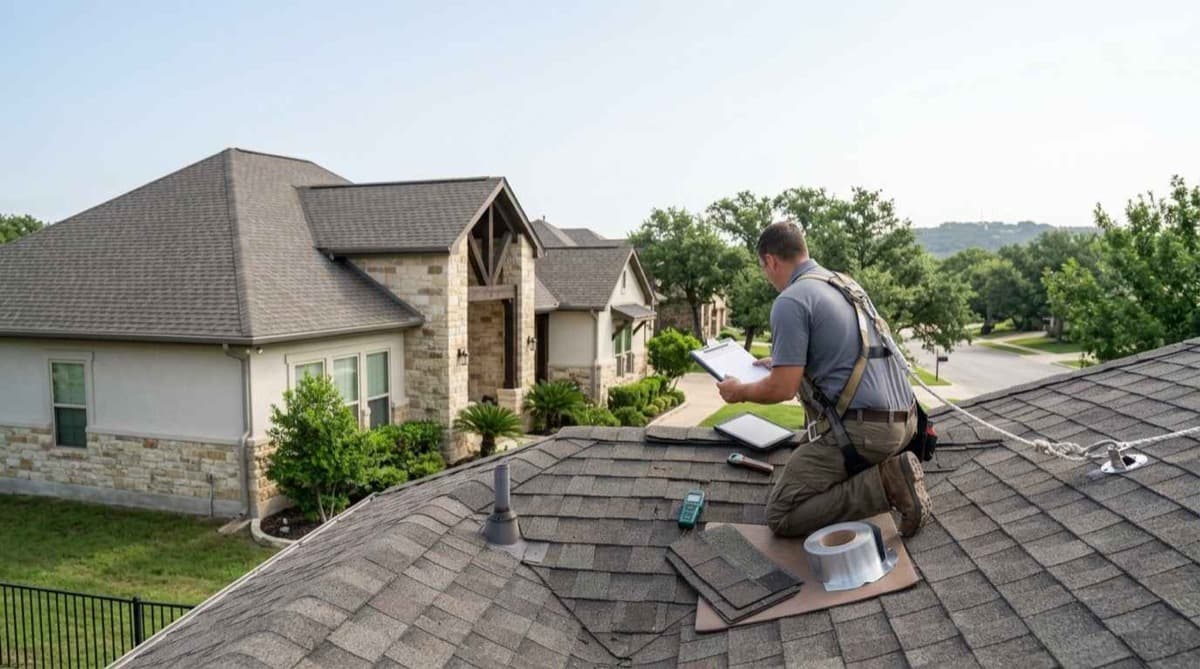
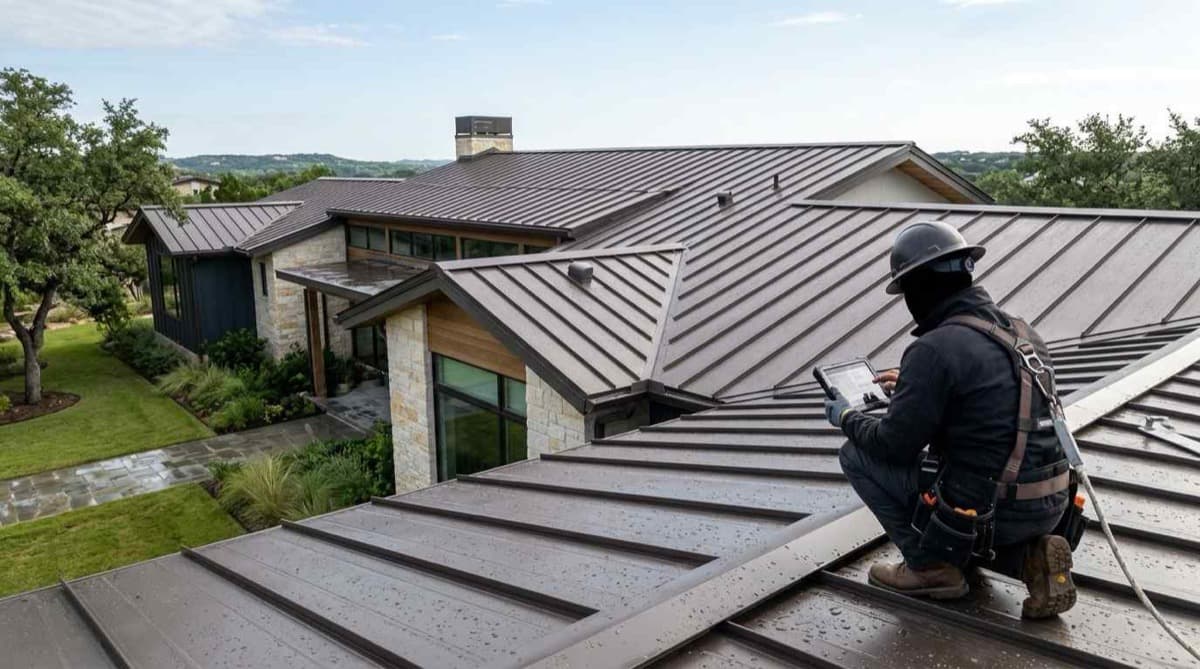
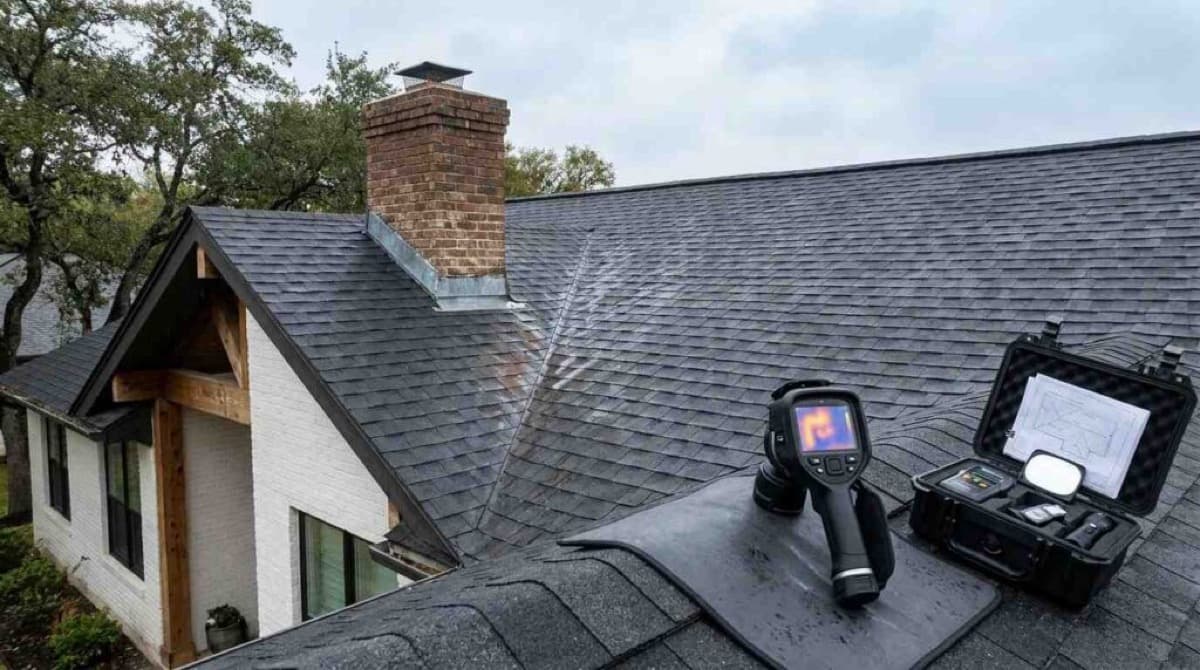
Experienced roofing contractors who regularly work with insurance claims can be valuable allies in the documentation and adjuster process. A licensed contractor can provide a detailed written damage assessment that aligns with insurance industry standards, identify damage that may not be visible to an untrained adjuster, and advocate for a repair scope that fully addresses the damage rather than a minimum-cost patch. In Texas, homeowners have the right to have a contractor present during the adjuster’s inspection. This is a right worth exercising a knowledgeable contractor can point out damage that an adjuster might overlook and ensure that the repair scope documented in the claim reflects the true extent of the work required. Filing a claim correctly and on time is one of the most consequential decisions you will make after a roof emergency our complete guide to the roof insurance claim process explains every step from initial documentation and adjuster meetings to claim approval and contractor coordination, so you do not leave money on the table.

Choosing an Emergency Roofing Contractor in Austin, TX

A roof emergency creates exactly the conditions that unscrupulous contractors exploit: urgency, stress, and a homeowner who needs help immediately. Knowing how to evaluate a contractor quickly and what warning signs to watch for is essential for protecting yourself from poor workmanship, inflated pricing, and outright fraud. The most important qualification to verify is licensure. In Texas, roofing contractors are not required to hold a state-issued roofing license, but they are required to register with the Texas Department of Licensing and Regulation if they perform certain types of work. More importantly, any contractor working on your home should carry general liability insurance and workers’ compensation coverage. Request certificates of insurance before any work begins a reputable contractor will provide them without hesitation.

What to Look for in an Emergency Roofer

Local reputation and established business presence are strong indicators of contractor reliability. A company with a physical address in the Austin area, verifiable online reviews, and a history of completed projects in your neighborhood is far more accountable than an out-of-state crew that arrived after a storm. Ask for references from recent emergency repair jobs and verify that the contractor has experience with your specific roofing material type. Written estimates and contracts are non-negotiable. Any contractor who asks you to sign a blank contract, requests full payment upfront, or refuses to provide a written scope of work should be disqualified immediately. A legitimate emergency repair contract will specify the scope of work, materials to be used, timeline, payment schedule, and warranty terms.

Red Flags and Storm Chaser Scams to Avoid

Storm chasers are out-of-state or transient contractors who follow severe weather events and solicit homeowners door-to-door in the aftermath. They typically offer quick, low-cost repairs, collect payment or insurance assignment, perform substandard work, and disappear before problems emerge. The Texas Department of Insurance warns homeowners to be cautious of any contractor who approaches them unsolicited after a storm, pressures them to sign immediately, or asks them to sign over their insurance benefits. Other red flags include contractors who cannot provide proof of insurance, who offer unusually low estimates that seem too good to be true, who request cash payment only, or who have no verifiable local presence. Taking 30 minutes to verify a contractor’s credentials before signing anything can save you from months of legal and financial complications. Selecting the right contractor under pressure is one of the most important decisions you will make during a roof emergency our guide on how to choose a roofing contractor covers every qualification to verify, every question to ask, and every warning sign to watch for so you hire with confidence rather than desperation.

When Emergency Repairs Lead to Full Roof Replacement

Not every emergency repair is the end of the story. In many cases, the damage assessment that follows an emergency reveals pre-existing conditions aging materials, accumulated wear, or previous improper repairs that make a full roof replacement the more practical and cost-effective long-term solution. Understanding when to repair and when to replace is one of the most consequential decisions a homeowner can make after a roof emergency. The general industry benchmark is the 50 percent rule: if the cost of repairing the damage exceeds 50 percent of the cost of a full replacement, replacement is typically the more economical choice. This threshold is not absolute, but it provides a useful starting point for the conversation with your contractor. Roof age is another critical factor an asphalt shingle roof that is 20 or more years old and has sustained significant storm damage may be at or near the end of its functional lifespan regardless of the specific damage event.

Repair vs. Replacement Decision Factors

Several factors inform the repair-versus-replacement decision beyond the immediate damage. The overall condition of the roofing system matters: if the damaged area is surrounded by shingles that are already brittle, granule-depleted, or showing signs of advanced wear, repairing only the damaged section leaves the rest of the roof vulnerable to failure in the next weather event. A contractor who performs a thorough inspection not just an assessment of the obvious damage will be able to give you an honest picture of the full roof’s condition. Material availability is another consideration. If your current roofing material has been discontinued or is difficult to source, matching repairs may be impossible, making replacement the only option for a uniform, warranted result. Insurance settlements also factor into the decision: if your policy covers replacement cost value rather than actual cash value, a full replacement may be fully or substantially covered.

How Age and Pre-Existing Damage Affect the Decision

A roof that has experienced multiple repair events over its lifespan accumulates a patchwork of materials, fasteners, and sealants that can compromise the integrity of the overall system. Each repair introduces potential weak points areas where new materials meet old, where sealants may fail at different rates, and where the underlying decking may have sustained moisture damage from previous leaks. At some point, continued repair becomes more expensive and less reliable than starting fresh with a new system. Your contractor should be able to provide a clear, documented assessment of the roof’s overall condition alongside the emergency repair estimate. This gives you the information you need to make a decision based on long-term value rather than short-term cost alone. The decision between repairing and replacing is rarely straightforward, especially when damage is discovered during an emergency our detailed comparison of roof repair vs. full replacement walks through every decision factor, from structural damage thresholds and material age to long-term cost analysis and insurance implications, so you can make the right call for your home.

Preventing Future Roof Emergencies Through Maintenance

The most effective emergency roof repair is the one you never need. A consistent, proactive maintenance routine dramatically reduces the likelihood of sudden roof failures by identifying and addressing vulnerabilities before they become crises. For Austin homeowners specifically, the region’s climate demands a maintenance approach that accounts for intense UV exposure, seasonal storm activity, and the thermal cycling that comes with extreme temperature swings. Roofing professionals consistently recommend a minimum of two professional inspections per year one in the spring after the primary hail and storm season, and one in the fall before winter weather arrives. According to the National Roofing Contractors Association, regular professional inspections are the single most effective way to extend roof lifespan and prevent emergency failures, yet the majority of homeowners never schedule a proactive inspection until a problem is already visible.

Routine Inspection Schedule for Austin Homeowners

Spring inspections should focus on identifying any damage sustained during the winter and early spring storm season: missing or cracked shingles, damaged flashing around chimneys and vents, granule loss in gutters, and any signs of moisture infiltration in the attic. Fall inspections should assess the roof’s readiness for winter, including the condition of sealants, the integrity of all penetration flashings, and the clearance of gutters and downspouts before heavy rainfall. Between professional inspections, homeowners can perform basic visual checks from the ground after significant weather events. Looking for displaced shingles, debris accumulation in valleys, and visible damage to ridge caps takes only a few minutes and can catch developing problems before they escalate.

Maintenance Tasks That Reduce Emergency Risk

Gutter cleaning is one of the highest-impact maintenance tasks for roof longevity. Clogged gutters cause water to back up under roofing materials at the eaves, accelerating deterioration and creating conditions for ice damming in cold weather. In Austin, gutters should be cleared at minimum twice per year more frequently if the property has significant tree coverage. Trimming tree branches that overhang the roof reduces both impact damage risk and the accumulation of organic debris that traps moisture against roofing surfaces. Keeping the roof surface clear of leaves, moss, and algae growth prevents the premature breakdown of shingles and the moisture retention that leads to decking rot. Flashing maintenance ensuring that all metal flashing around chimneys, skylights, vents, and roof-to-wall intersections is properly sealed and free of corrosion  is another high-value preventive task. Flashing failures are among the most common causes of roof leaks and are almost always preventable with routine inspection and resealing. The most effective way to avoid a future emergency is a consistent, proactive maintenance routine our roof maintenance and inspection schedule covers every task Austin homeowners should complete seasonally, from clearing gutters and inspecting flashing to identifying early signs of wear before they become costly failures. When a roof emergency strikes, the gap between knowing what to do and having a trusted professional ready to act is where the most damage occurs. The sections above give you the knowledge to respond effectively but knowledge alone does not stop water from entering your home at 2 a.m. after a hailstorm.

How Tarrytown Roofing Responds to Roofing Emergencies in Austin

Tarrytown Roofing is a full-service roofing contractor serving Austin homeowners with emergency response, permanent repairs, full replacements, and preventive maintenance. Our emergency response process is built around the reality that roof failures do not happen on a schedule they happen during storms, at night, and on weekends, and they require a contractor who can mobilize quickly, assess damage accurately, and begin protective work immediately. When you contact Tarrytown Roofing for an emergency, our process begins with a rapid dispatch of a licensed crew to your property. We perform a thorough damage assessment, provide a clear written estimate, and begin temporary protective measures, including professional tarping and emergency patching to stop water intrusion before permanent repairs are scheduled. We document all damage in a format that supports insurance claims and can be present during adjuster inspections to advocate for a complete and accurate repair scope. Our team has extensive experience with the specific weather events and roofing systems common in Austin and the surrounding Hill Country. We work with all major roofing materials asphalt shingles, metal roofing, tile, and flat roofing systems and carry full general liability and workers’ compensation insurance on every job. Every repair comes with a written warranty, and we do not consider a job complete until the homeowner is fully satisfied with the result. We also understand that an emergency is not just a roofing problem it is a stressful, disruptive event that affects your family’s safety and comfort. Our goal is to make the response process as clear, transparent, and low-stress as possible, from the first phone call through the final inspection. When a roof emergency strikes, response time and contractor reliability are everything Tarrytown Roofing provides emergency roofing services in Austin with rapid dispatch, licensed crews, and a full-service approach that covers temporary protection, permanent repairs, and insurance coordination from a single trusted team.

Conclusion

Emergency roof repair encompasses the full spectrum of immediate response decisions, from identifying a true roofing emergency and taking safe protective action to understanding repair costs, navigating insurance claims, and choosing a contractor you can trust under pressure. The spoke resources linked throughout this guide go deeper into each dimension of emergency roof response, from temporary tarping and hail damage repair to the repair-versus-replacement decision and long-term maintenance planning that prevents future emergencies. When your roof needs immediate attention in Austin, Tarrytown Roofing is ready to respond, contact us today for emergency service, a thorough damage assessment, and a clear path from crisis to a fully protected home.

Frequently Asked Questions

What qualifies as a roofing emergency that requires immediate repair?

A roofing emergency is any condition that creates immediate risk of water intrusion, structural compromise, or safety hazard. This includes large areas of missing shingles, visible holes in the roof deck, active interior leaking, fallen trees on the roof, or any situation where the home’s interior is exposed to the elements.

How quickly should I call a roofing contractor after storm damage?

Contact a licensed roofing contractor within 24 hours of discovering storm damage. Prompt professional assessment stops secondary damage from progressing, preserves your insurance claim timeline, and ensures temporary protective measures are in place before additional weather events occur.

Will my homeowner’s insurance cover emergency roof repairs in Austin?

Most standard homeowner’s insurance policies in Texas cover sudden damage from wind, hail, and falling objects. Gradual deterioration and maintenance-related failures are typically excluded. Contact your insurer immediately after damage occurs and document everything before any repairs begin.

Is it safe to go on my roof to assess damage after a storm?

No. Do not attempt to access a damaged roof yourself, particularly during or immediately after a storm. Wet surfaces, compromised structural sections, and unstable debris create serious fall hazards. All damage assessment should be performed from the ground or by a licensed roofing professional.

How much does emergency roof repair typically cost in Austin, TX?

Emergency roof repair costs in Austin generally range from $300 to $1,500 for minor repairs and can reach $3,000 to $8,000 or more for extensive structural damage. Pricing varies based on damage extent, materials, timing of the call, and current post-storm demand in the area.

How do I avoid storm chaser scams after a roof emergency?

Verify that any contractor you consider carries proof of general liability and workers’ compensation insurance, has a verifiable local presence in Austin, provides a written estimate and contract before work begins, and does not pressure you to sign immediately or pay in full upfront. Avoid any contractor who approaches you unsolicited after a storm.

When does emergency roof damage require full replacement instead of repair?

Full replacement is typically the better option when repair costs exceed 50 percent of replacement cost, when the roof is 20 or more years old, when pre-existing deterioration surrounds the damaged area, or when the overall roofing system has sustained damage that makes piecemeal repair unreliable for long-term protection.

WHY WAIT! GET A FREE ESTIMATE & CONSULTATION