How Many Hours Does It Take to Roof a 2000 Sq Ft House?

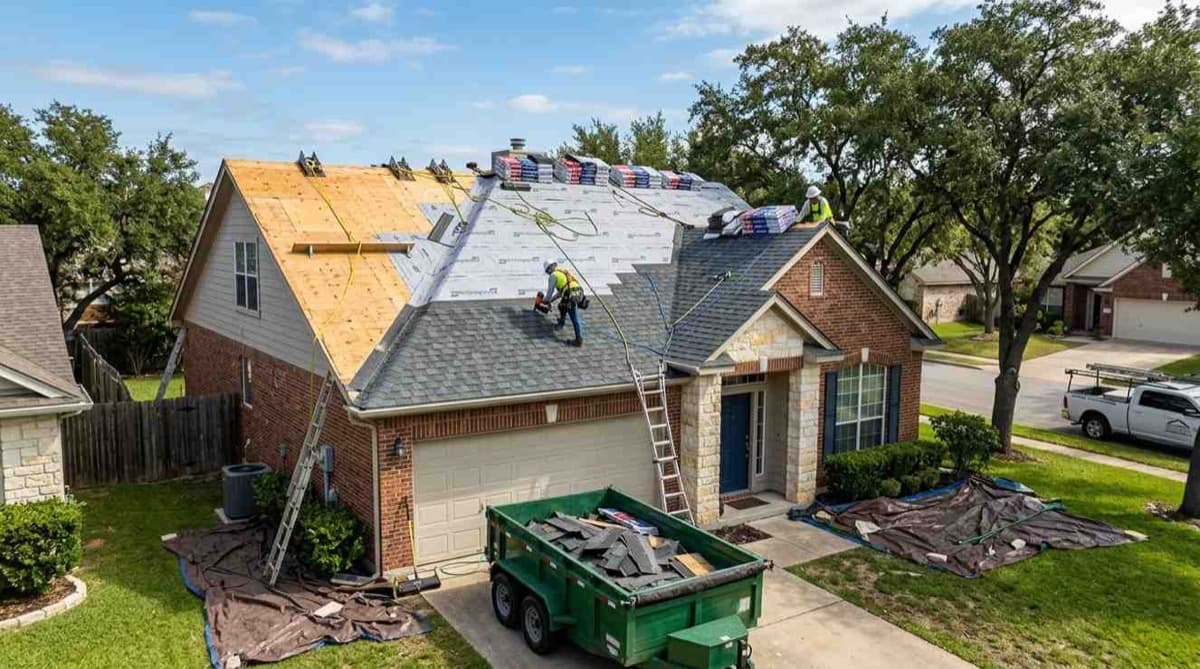
Professional roof replacement on a 2,000 sq ft Austin home with a crew installing new asphalt shingles, illustrating the typical one-day residential roofing process.Replacing a 2,000 sq ft roof typically takes one to two days  roughly 6 to 8 labor hours for a standard crew on a straightforward job. That said, the actual time depends on several variables that every homeowner should understand before scheduling.

Knowing the timeline upfront helps you plan around the work, set realistic expectations, and avoid surprises when the crew shows up.

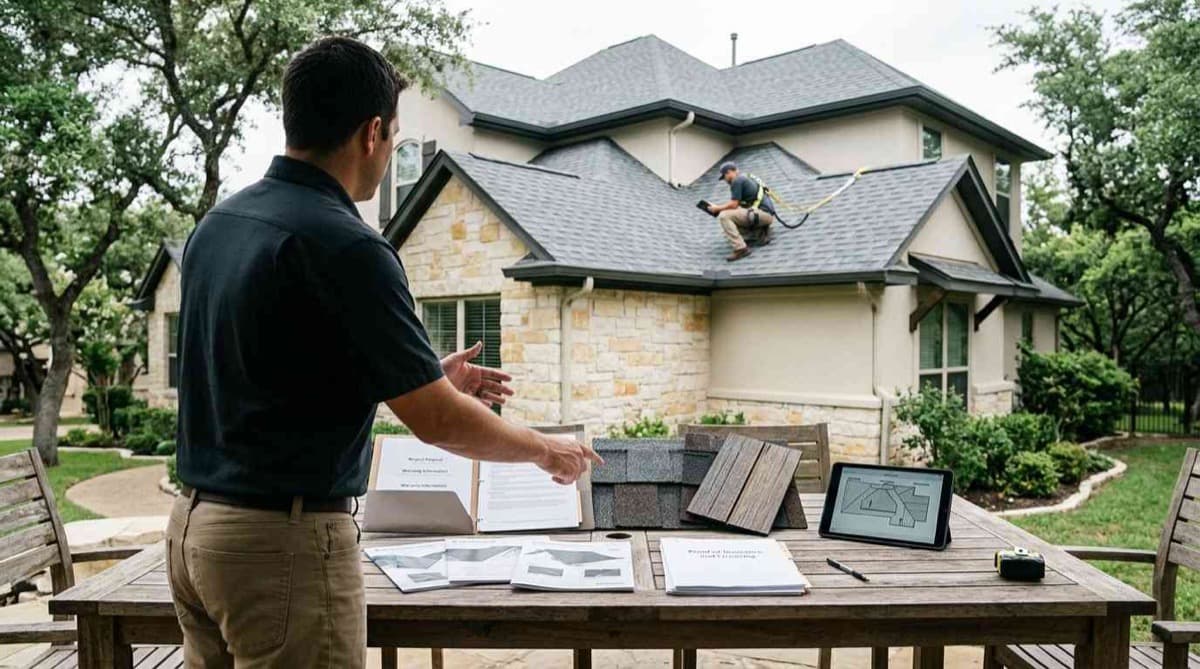
We cover the full picture here: average labor hours, what drives the timeline up or down, material comparisons, and exactly what happens each day on the job.

The Short Answer: How Long Does It Take to Roof a 2,000 Sq Ft House?

Most 2,000 sq ft homes get a new roof in one full workday. A standard crew finishes the tear-off, inspection, and installation in a single visit when conditions cooperate.

Average Labor Hours for a Standard Roof Replacement

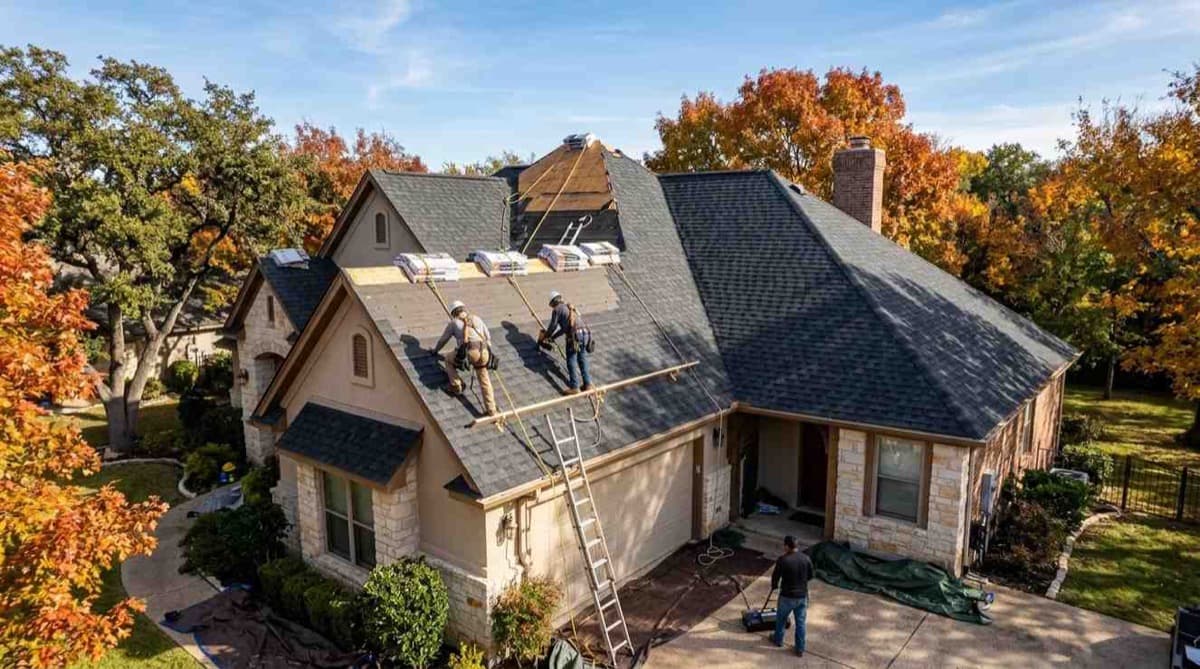
A 2,000 sq ft home covers roughly 20 roofing squares (one square equals 100 sq ft of roof surface). A crew of four to six experienced roofers typically completes the job in 6 to 8 hours.

That puts the total labor somewhere between 24 and 48 man-hours depending on crew size. Straightforward gable roofs with a single shingle layer come in at the lower end of that range.

What a Typical Roofing Day Looks Like on a 2,000 Sq Ft Home

The crew arrives early  usually between 7 and 8 a.m.  and starts tearing off the old material immediately. Once the decking is exposed and inspected, installation begins and runs through the afternoon.

Most jobs wrap up with a magnetic nail sweep and cleanup before the crew leaves. Homeowners are back to normal by evening.

Factors That Affect How Long a Roof Job Takes

No two roofs are identical, and the timeline shifts based on what the crew is actually working with. These are the variables that matter most.

Roof Pitch and Complexity

A low-slope roof moves fast. A steep pitch slows everything down because the crew needs additional safety equipment and works more carefully on every step.

Hip roofs, roofs with multiple valleys, dormers, or skylights all add cutting and flashing time. A complex roofline on a 2,000 sq ft home can easily add four to six hours to the job.

Number of Layers Being Removed

Most building codes allow two layers of shingles before a full tear-off is required. If your roof has two existing layers, the tear-off alone takes significantly longer and generates more debris.

A single-layer tear-off on a 2,000 sq ft home takes roughly two to three hours. A double-layer tear-off can push that to four to five hours before installation even starts.

Roofing Material Type

Asphalt shingles install faster than almost any other material. Metal panels, tile, and slate all require more precision, specialized fasteners, and slower installation paces.

We cover the full material-by-material time comparison in the section below. The differences are significant.

Crew Size and Experience Level

A three-person crew on a 2,000 sq ft roof might need two full days. A six-person experienced crew often finishes in one.

Experience matters as much as headcount. A seasoned crew works in a coordinated rhythm that a newer team simply cannot match, even at the same size.

How Weather and Seasonality Affect Roofing Time in Austin, TX

Austin’s climate adds a layer of planning that homeowners in cooler regions do not deal with. Summer heat in Central Texas regularly pushes past 100°F, which slows crews down and creates safety concerns during peak afternoon hours.

Rain is the bigger schedule disruptor. Wet decking cannot accept new shingles safely, so any rainfall during a job means a stop-and-wait situation. A job that starts on a Monday can stretch to Wednesday if a storm rolls through.

Best Times of Year to Schedule a Roof Replacement in Austin

Spring and fall are the sweet spots for Austin roof replacements. Temperatures are manageable, rain is more predictable, and crews are not fighting the brutal July and August heat.

Late summer also brings peak storm season, which means higher demand and tighter scheduling windows. Booking in March through May or September through November gives you the best combination of weather and crew availability.

Asphalt Shingles vs. Other Materials  Time Comparison

Material choice has a direct impact on how long your roof job takes. Here is how the most common options compare on a 2,000 sq ft home.

Asphalt Shingles (Most Common)

Asphalt shingles are the fastest material to install. A standard three-tab or architectural shingle job on a 2,000 sq ft home wraps up in one day for most experienced crews.

They are also the most forgiving material for crews to work with, which keeps the pace consistent from morning to afternoon.

Metal Roofing

Metal roofing takes longer  typically one and a half to two days on a 2,000 sq ft home. Panel alignment, seaming, and fastener placement all require more precision than shingle work.

The tradeoff is a roof that lasts 40 to 70 years with minimal maintenance. The extra installation time is a one-time cost against decades of performance.

Tile and Slate Roofing

Tile and slate are the slowest materials to install. A 2,000 sq ft tile or slate roof often takes two to three days, sometimes more on complex rooflines.

Both materials are heavy, require reinforced decking, and demand careful individual placement. The craftsmanship involved is real  and so is the longevity, with slate roofs lasting well over 100 years in many cases.

What Happens Each Day of a Roof Replacement

Understanding the day-by-day sequence helps you know what to expect and when the job is actually done.

Day 1  Tear-Off and Deck Inspection

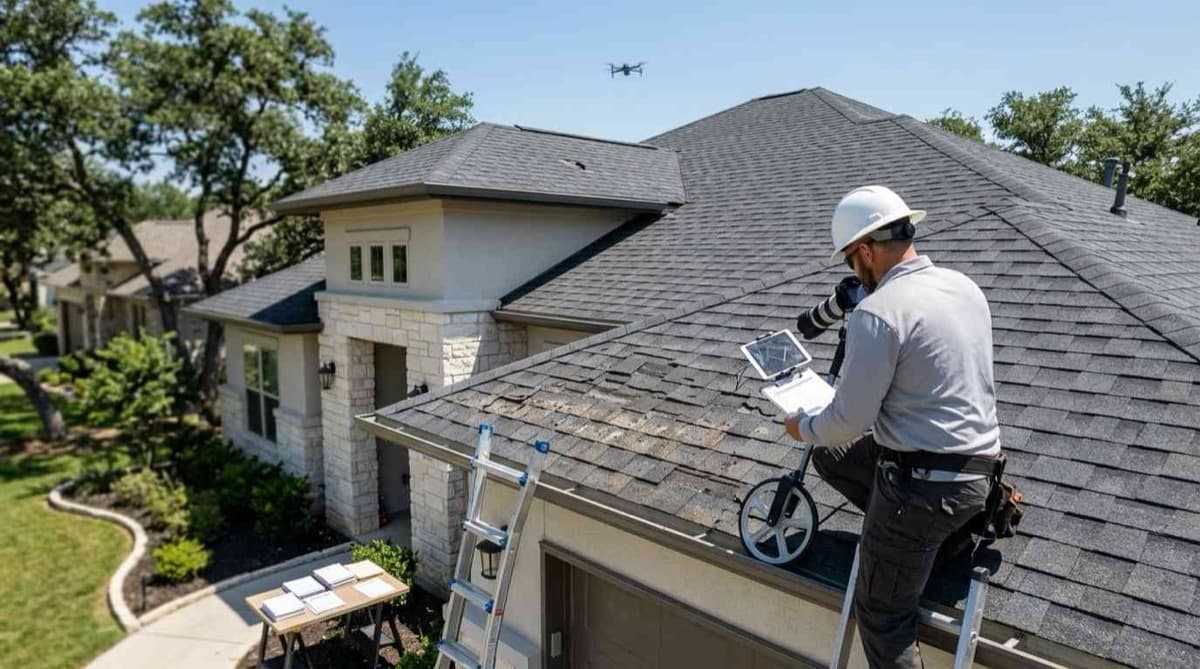
The crew starts by stripping the existing roofing material down to the decking. Every square foot gets inspected for rot, soft spots, or structural damage.

Any damaged decking gets replaced before installation begins. This step cannot be skipped  installing new shingles over compromised decking is one of the most common causes of premature roof failure.

Day 2 (If Needed)  Installation and Flashing

On most standard asphalt jobs, installation happens on Day 1 after the tear-off. On larger, more complex, or multi-material jobs, Day 2 is dedicated to completing the field installation and all flashing work.

Flashing around chimneys, vents, skylights, and valleys is where most leaks originate when it is done poorly. A quality crew takes the time to do it right.

Final Walkthrough and Cleanup

Before the crew leaves, a supervisor walks the entire roof to check for missed nails, improper seating, and flashing gaps. A magnetic roller sweeps the yard and driveway for nails.

You should receive a completed job checklist and warranty documentation before the crew drives away. Do not let a crew leave without both.

How to Prepare Your Home Before the Roofing Crew Arrives

A little preparation on your end keeps the job moving without interruptions. Move vehicles out of the driveway the night before  the crew needs clear access and space for the dumpster or debris pile.

Clear fragile items from your attic if possible. The vibration from tear-off and nailing is significant, and anything stored loosely can shift or fall.

Let your neighbors know the day before. A roofing crew starting at 7 a.m. is loud, and a heads-up goes a long way toward keeping the peace.

Frequently Asked Questions

Can a 2,000 sq ft roof be replaced in one day?

Yes, in most cases. A standard asphalt shingle replacement on a 2,000 sq ft home with a straightforward roofline and a single existing layer is a one-day job for an experienced crew of four to six roofers.

How many roofers does it take to replace a 2,000 sq ft roof?

Most roofing contractors send a crew of four to six for a job this size. Smaller crews of two to three can handle it, but the job typically stretches to two days.

Does roof complexity add days to the job?

It does. Hip roofs, multiple valleys, dormers, skylights, and steep pitches all add time. A complex 2,000 sq ft roof can take a full day longer than a simple gable roof of the same size.

How long does a roof replacement take with permits in Austin?

The physical installation timeline does not change with permits. Permit processing in Austin typically adds one to three business days before work can begin, so factor that into your overall project schedule.

What slows down a roofing job the most?

Rain is the biggest delay factor. Wet decking stops installation entirely. After weather, the next biggest slowdowns are unexpected decking damage, double-layer tear-offs, and complex rooflines that require extra cutting and flashing time.

Conclusion

A 2,000 sq ft roof replacement is a one-to-two day job for most Austin homeowners. The variables pitch, material, crew size, and weather  determine exactly where your project lands in that range.

Understanding the timeline before the crew arrives puts you in control of the process. You know what to expect, what to prepare, and what questions to ask.

At Tarrytown Roofing, we give every homeowner a clear project timeline before we start. Reach out today and let us walk you through exactly what your roof replacement will look like from day one.

WHY WAIT! GET A FREE ESTIMATE & CONSULTATION