How to Know if a Roofer Is Good

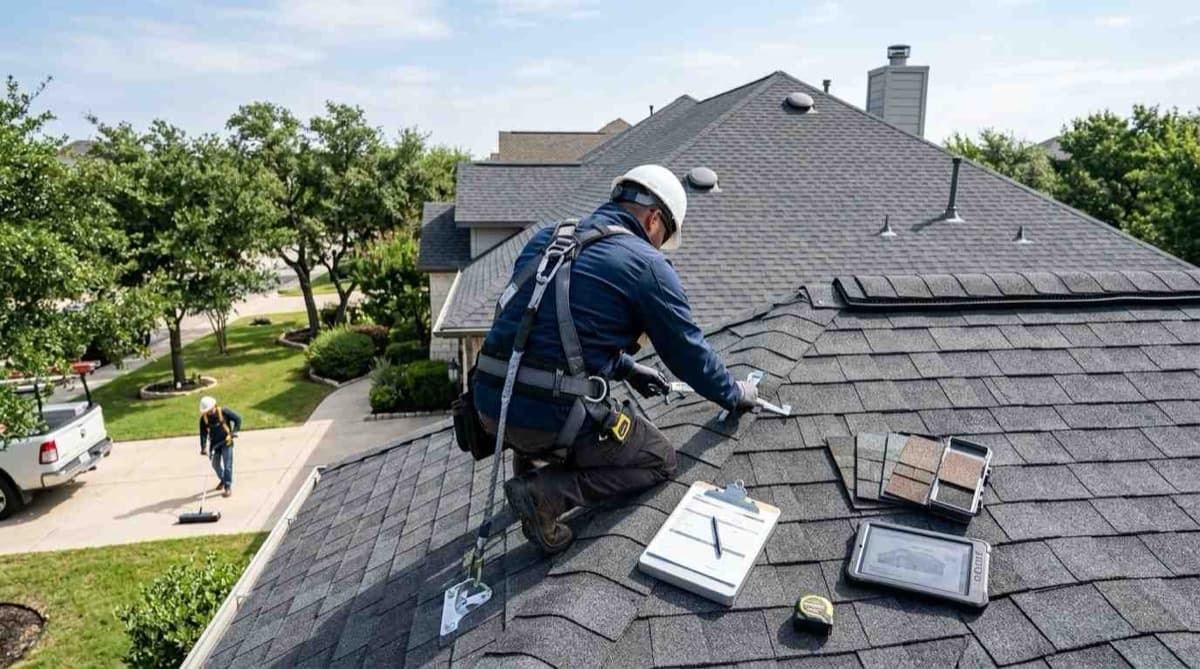
Professional roofing contractor inspecting a residential roof with safety equipment and organised documentation, illustrating the qualities of a trustworthy and experienced roofer.A good roofer shows up with a license, carries real insurance, puts everything in writing, and backs their work with a warranty you can actually use. Those four things alone eliminate most of the bad actors before a single shingle gets touched.

Hiring the wrong roofer costs Austin homeowners thousands in repairs, voided warranties, and legal headaches that never needed to happen.

I put this guide together to walk you through exactly what separates a trustworthy roofing contractor from one you’ll regret calling. By the end, you’ll know what to look for, what to ask, and what to walk away from.

They Have Verifiable Licensing and Insurance

The first thing I check on any roofer is whether they’re licensed and insured. Not because I assume the worst, but because legitimate contractors have no reason to hesitate when you ask.

A good roofer hands over their credentials without blinking. A bad one changes the subject.

What Licensing Looks Like in Texas

Texas doesn’t require a statewide roofing license the way some states do, but that doesn’t mean anything goes. Roofing contractors in Austin who pull permits  which any reputable one will  must be registered with the Texas Department of Licensing and Regulation. The City of Austin also requires contractors to hold a local contractor registration before pulling a building permit.

Ask your roofer directly: “Are you registered with TDLR, and will you pull the permit for this job?” A contractor who says permits aren’t necessary on a full replacement is either uninformed or cutting corners. Either way, that’s your answer.

Why Insurance Protects You, Not Just Them

General liability insurance and workers’ compensation aren’t just boxes a roofer checks for their own benefit. They protect you. If a crew member gets hurt on your roof without workers’ comp coverage, you can be held liable as the property owner.

Ask for a certificate of insurance before work starts. Call the insurance provider listed on the certificate to confirm it’s active. This takes five minutes and it’s one of the most important five minutes you’ll spend on a roofing project.

Their Reputation Is Easy to Verify

A roofer’s reputation isn’t hard to find. It’s sitting right there in their Google Business Profile reviews, their BBB rating, and the references they’re willing to give you. The question is whether you take ten minutes to look.

I always look. And what I find tells me almost everything.

Where to Look for Real Reviews

Google reviews are my first stop because they’re the hardest to fake at scale and the easiest to read quickly. Look at the overall rating, but pay more attention to how the contractor responds to negative reviews. A roofer who handles complaints professionally in public is showing you exactly how they’ll handle problems on your job.

The Better Business Bureau is worth checking too, specifically for complaint history and resolution patterns. Angi and Houzz carry verified reviews tied to completed projects, which adds another layer of credibility. Look for recency  a contractor with 50 reviews from five years ago and nothing recent is a different story than one with consistent activity.

What References Actually Tell You

Ask for two or three references from jobs completed in the last year. Then actually call them. Ask whether the crew showed up when promised, whether the final cost matched the estimate, and whether they’d hire the same contractor again.

Request photos of completed work too. A roofer proud of their craftsmanship keeps a portfolio. One who can’t produce a single before-and-after photo from a recent job is telling you something.

They Give You a Detailed Written Estimate

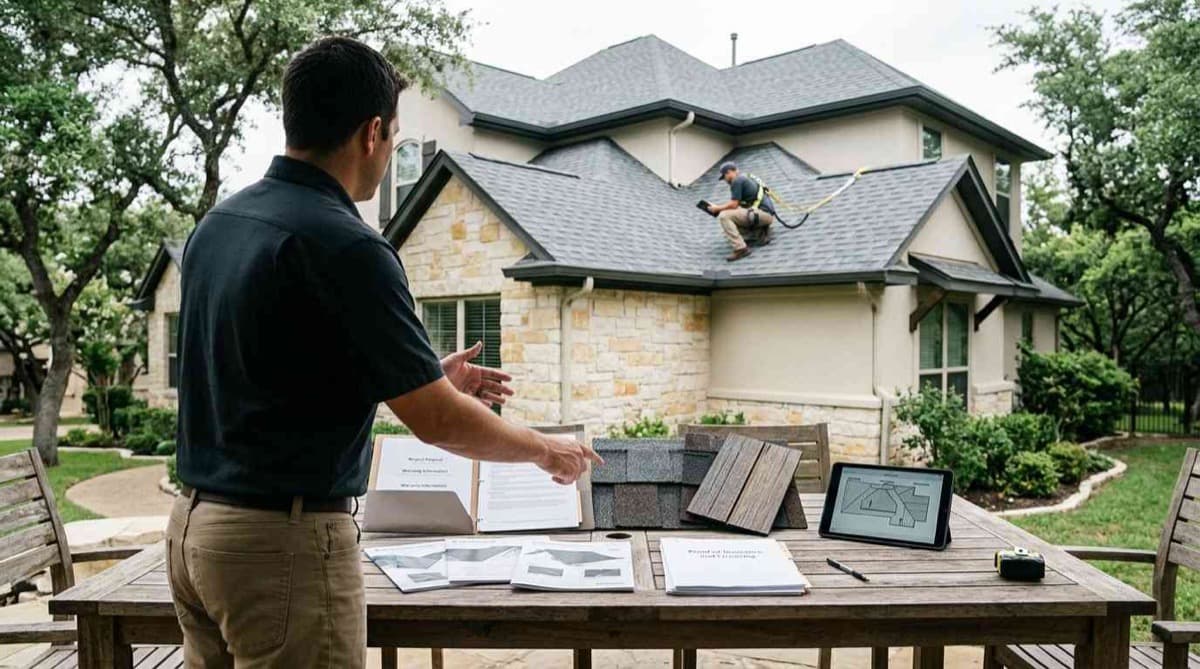
A verbal quote is not an estimate. It’s a number with no accountability attached to it. Every good roofer puts their pricing in writing, and that written estimate tells you a lot about how they operate.

The detail level in an estimate reflects the detail level in the work itself.

Red Flags in a Roofing Quote

A solid roofing estimate breaks down material costs by line item  shingles, underlayment, ice and water shield, flashing, ridge cap, ventilation components  along with labor, permit fees, and disposal. It specifies the brand and grade of materials being used. It includes a project timeline and payment schedule.

What you don’t want to see: a single lump-sum number with no breakdown, a quote delivered only by text or verbally, or a price so far below every other estimate that it doesn’t make sense. Lowball bids almost always mean something is getting skipped  usually the materials or the labor quality that makes a roof last.

They Communicate Clearly and Show Up on Time

Professionalism in roofing isn’t just about the finished product. It shows up in how a contractor handles the entire process  from the first call to the final walkthrough.

A roofer who goes quiet after giving you an estimate, shows up two hours late on day one, or leaves your yard covered in debris at the end of the day is showing you their standard. That standard doesn’t improve once the check clears.

Signs of a Contractor Who Respects Your Time

Good contractors return calls and emails within a reasonable window. They give you a named point of contact  not just a general office number  so you always know who to reach. They tell you when the crew will arrive and they arrive then.

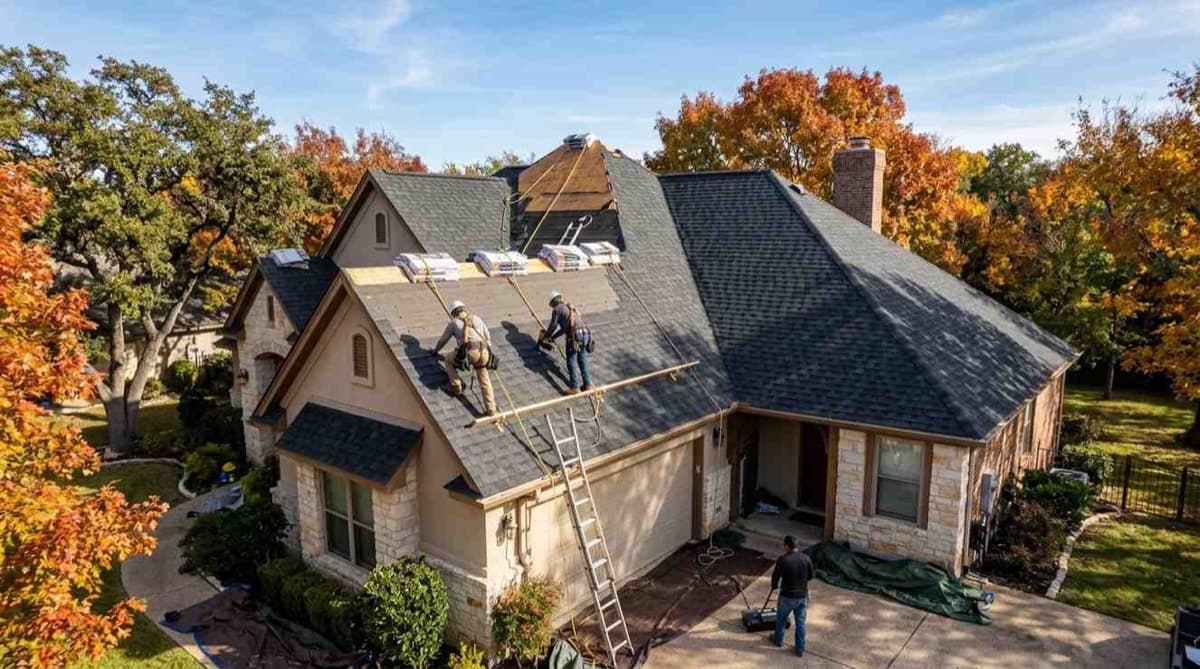
They also clean up after themselves. A professional roofing crew protects your landscaping, uses magnetic nail sweepers on the driveway, and leaves the property in better shape than they found it. These aren’t extras. They’re the baseline.

They Use Quality Materials and Stand Behind Their Work

The materials going on your roof matter as much as the labor installing them. A good roofer specifies the brand and product line in writing and uses manufacturers they’re certified to install  because that certification is what unlocks the best warranty coverage.

Cheap materials installed by an uncertified crew is a combination that costs you twice: once when you pay for it, and again when it fails early.

Understanding Workmanship Warranties

There are two warranties on every roofing job: the manufacturer’s product warranty and the contractor’s workmanship warranty. The product warranty covers material defects. The workmanship warranty covers installation errors  and that one comes entirely from your contractor.

Certified installers from manufacturers like GAF, Owens Corning, and CertainTeed can offer extended system warranties that cover both materials and labor together, sometimes for 25 to 50 years. Ask your roofer what warranty they offer on their workmanship specifically, how long it lasts, and whether it transfers to a new owner if you sell the home. A contractor who can’t answer those questions clearly hasn’t thought much about standing behind their work.

Warning Signs of a Bad Roofer

Knowing what a good roofer looks like is half the picture. The other half is recognizing the patterns that show up consistently with contractors you should avoid.

Most of the worst roofing experiences I’ve seen follow the same script.

Storm Chasers and Door-to-Door Pressure

After a major hail or wind event in Austin, out-of-state roofing crews flood the area. They knock on doors, offer free inspections, and push homeowners to sign contracts on the spot before the insurance adjuster has even visited. These are storm chasers, and the pressure they apply is a deliberate tactic.

A legitimate local roofer doesn’t need to knock on your door the day after a storm. They have a reputation, a local address, and a full schedule of customers who called them by choice. Be especially cautious of any contractor who asks for a large cash payment upfront, refuses to provide a written contract, or can’t give you a local business address you can verify. Those aren’t quirks. They’re warnings.

Conclusion

A good roofer is licensed, insured, transparent with pricing, professional in their communication, and committed to quality materials backed by a real warranty. Those signals are consistent and verifiable before you sign anything.

Your roof is one of the most important investments protecting your home. Getting this decision right means decades of durability instead of years of problems.

At Tarrytown Roofing, we bring all of it  credentials, communication, quality materials, and warranties you can count on. Call us and let’s talk about your roof.

Frequently Asked Questions

How do I verify a roofer’s license in Texas?

Search the contractor’s name or business on the Texas Department of Licensing and Regulation website. You can also check with the City of Austin’s Development Services Department to confirm local contractor registration. Both searches are free and take under two minutes.

What insurance should a roofer carry?

A roofer needs at minimum general liability insurance and workers’ compensation coverage. Ask for a certificate of insurance and call the provider to confirm the policy is active before any work begins. Expired or fake certificates are more common than most homeowners expect.

How many estimates should I get before hiring a roofer?

Get at least three written estimates from licensed, insured contractors. Three quotes give you a realistic price range and make it easier to spot a bid that’s suspiciously low or unusually high. Compare the scope of work, not just the bottom-line number.

What does a workmanship warranty cover?

A workmanship warranty covers installation errors made by the roofing crew  things like improper flashing, poor nail patterns, or inadequate underlayment. It’s separate from the manufacturer’s product warranty. Ask your contractor how long their workmanship warranty lasts and whether it transfers if you sell the home.

Are door-to-door roofers trustworthy?

Most door-to-door roofers who appear immediately after a storm are storm chasers  out-of-state crews looking for quick work before moving to the next market. Some are legitimate, but the high-pressure tactics and lack of local accountability make them a higher risk. A reputable local roofer doesn’t need to solicit door to door.

What questions should I ask a roofer before hiring them?

Ask about their license and insurance, who pulls the permit, what materials they use and why, what their workmanship warranty covers, and how they handle unexpected damage found mid-project. How a contractor answers those questions  and how quickly  tells you a great deal about how they operate.

How long does a roof replacement take?

Most residential roof replacements in Austin take one to three days depending on the size of the home, the pitch of the roof, and the materials being installed. Weather delays happen. A good contractor gives you a realistic timeline upfront and communicates any changes before they affect your schedule.

WHY WAIT! GET A FREE ESTIMATE & CONSULTATION