How to Scare an Insurance Adjuster (Legally)

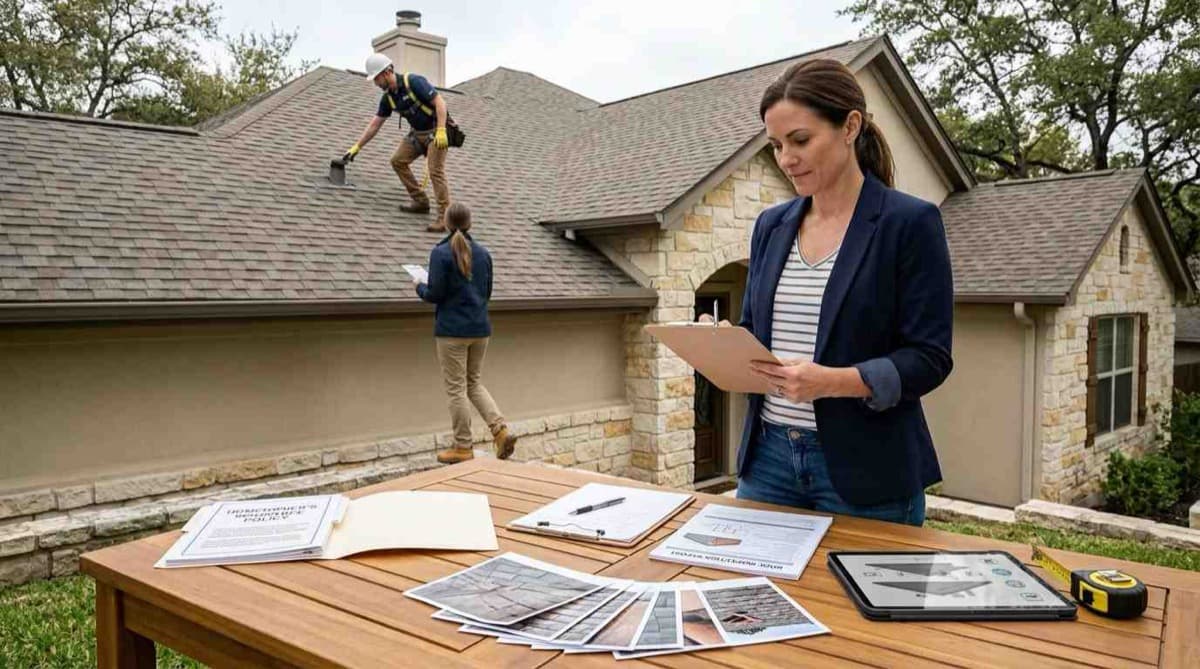
Homeowner preparing documentation for a roof insurance inspection with an independent roofing contractor and insurance adjuster, illustrating how to strengthen an insurance claim through proper evidence and preparation.The single most effective thing you can do before an insurance adjuster sets foot on your property is show up more prepared than they are. Adjusters work for the insurance company, not for you, and their job is to settle your claim as efficiently as possible  which often means as low as possible. That is not a conspiracy. It is just how the system works.

Knowing that changes everything about how you approach a roof claim. It turns a passive process into an active one where you hold real leverage.

We put this guide together to walk you through every step  from documentation to dispute  so you protect your claim, your roof, and your money.

What Insurance Adjusters Actually Do

Most homeowners treat the adjuster visit like a formality. They let the adjuster walk the roof, nod along, and wait for a number. That approach costs people thousands of dollars every year.

An adjuster is a trained professional whose job is to assess damage and assign a dollar value to it. They are good at their job. The question is whether their assessment reflects the full scope of your damage  or a conservative interpretation of it.

Who They Work For (And Why That Matters)

Staff adjusters are employees of your insurance company. Independent adjusters are contractors hired by the insurer to handle overflow claims. Either way, their paycheck traces back to the same source  the company writing your settlement check.

That does not make them dishonest. It does mean their training, their software, and their incentives are all calibrated around the insurer’s interests. Understanding that is the foundation of everything else in this guide.

How Adjuster Settlements Are Calculated

Most adjusters use estimating software  Xactimate is the industry standard  to price out repairs. The software pulls regional labor and material rates and generates a line-item estimate. The problem is that software-generated estimates often miss items a contractor would catch on a physical inspection, like improper flashing, deteriorated underlayment, or code-required upgrades.

A number that looks precise is not always a number that is complete.

Document Everything Before They Arrive

This is where most homeowners lose ground before the claim even starts. By the time the adjuster arrives, your documentation should already tell a complete story of the damage.

Do not wait for the adjuster to find things. Find them first and put them on record.

Photo and Video Evidence That Holds Up

Walk your property immediately after a storm or when you first notice damage. Photograph every affected area from multiple angles  close-up shots of individual shingles, wide shots showing the full roof plane, and ground-level shots showing any debris or impact marks.

Video walkthroughs are even more powerful because they capture context that still photos miss. Date-stamp everything. Your phone’s metadata does this automatically, but a quick verbal timestamp in the video adds a second layer of documentation that is hard to dispute.

Written Records and Timestamped Notes

Keep a running written log from the moment you notice damage. Note the date, what you observed, who you spoke to, and what was said. If you call your insurance company, write down the representative’s name, the time of the call, and a summary of the conversation.

This log becomes critical if your claim is disputed or delayed. Adjusters and insurers deal with hundreds of claims. You are dealing with one. Your notes will be sharper than their records.

Get an Independent Roof Inspection First

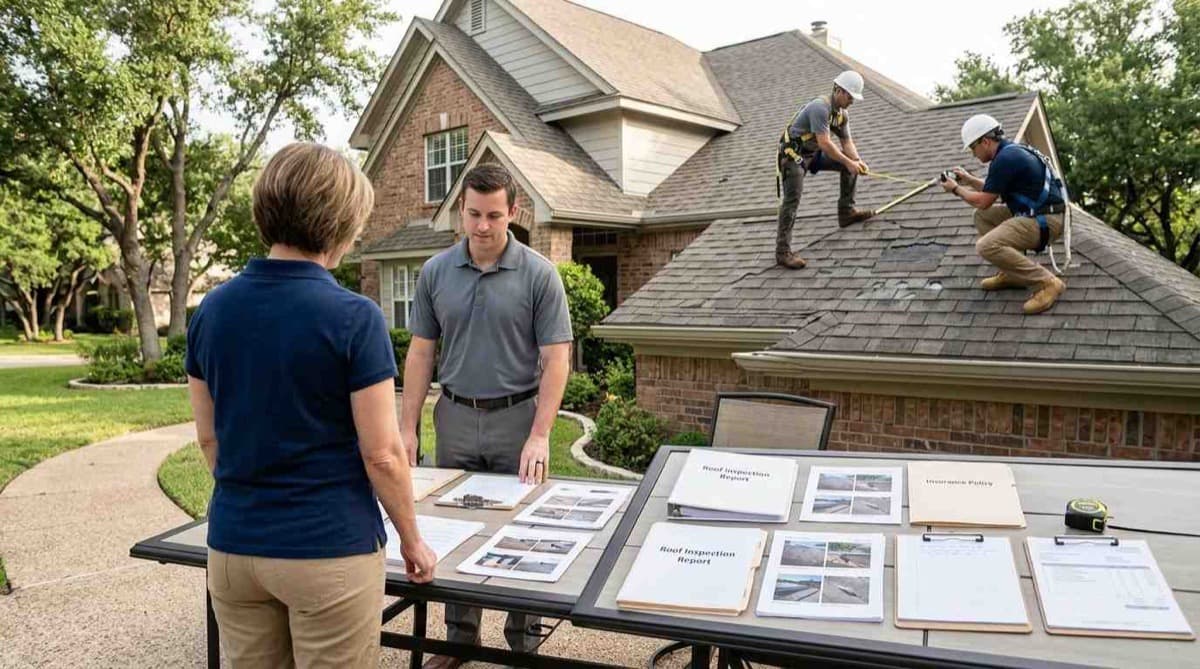
One of the most powerful moves you can make is having a licensed roofing contractor inspect your roof before the adjuster arrives. This gives you an independent, professional assessment of the damage  in writing  before the insurance company sets the narrative.

A contractor’s report is not just a second opinion. It is leverage.

What a Contractor’s Report Should Include

A thorough contractor inspection report should document every area of damage with photos, identify the cause of damage, list all affected materials, and provide a line-item repair or replacement estimate. It should also note any code-compliance items that a repair would trigger  things like drip edge requirements or decking standards that the adjuster’s software may not automatically include.

When you hand that report to the adjuster, you are not arguing. You are presenting documented evidence from a licensed professional. That changes the dynamic of the entire conversation.

At Tarrytown Roofing, we provide detailed inspection reports that give homeowners exactly this kind of documentation before the adjuster ever shows up.

Know Your Policy Before the Adjuster Knocks

Reading your homeowners insurance policy is not exciting. Doing it before a claim, though, is one of the highest-value hours you will spend as a homeowner. The details buried in that document determine how much money you actually receive.

Pull it out. Read the roof coverage section specifically.

ACV vs. RCV  The Number That Changes Everything

Your policy pays out under one of two methods. Actual Cash Value (ACV) pays the depreciated value of your roof  what it is worth today, not what it costs to replace. Replacement Cost Value (RCV) pays what it actually costs to replace the roof with comparable materials at current prices.

The difference between these two numbers on an older roof can be tens of thousands of dollars. If your policy is ACV and you did not know that, you may be expecting a check that covers a fraction of your actual repair cost.

Covered Perils vs. Exclusions on Roof Claims

Most standard homeowners policies cover sudden, accidental damage from wind, hail, fire, and falling objects. They typically exclude damage from wear and tear, lack of maintenance, and age-related deterioration. Adjusters are trained to identify and document conditions that support an exclusion argument.

Know what your policy covers before the adjuster arrives so you can recognize when an exclusion is being applied correctly  and when it is not.

Be Present and Ask the Right Questions

Never let an adjuster inspect your roof without you present. This is not about distrust. It is about making sure nothing gets missed and that you have a firsthand account of what was and was not examined.

Walk the inspection with them. Take your own notes and photos as they work.

Questions That Put Adjusters on the Record

Asking direct questions during the inspection does two things: it forces the adjuster to be specific, and it creates a verbal record of their findings. Ask them to identify every area they are documenting. Ask them to explain how they are categorizing each type of damage. Ask them what the next steps in the process are and what the timeline looks like.

You are not interrogating them. You are participating in a process that directly affects your financial outcome. That is your right as the policyholder.

Dispute a Low Estimate the Right Way

You receive the adjuster’s estimate and it is lower than your contractor’s report. This happens regularly, and it is not the end of the road. You have formal options, and using them correctly is how you close the gap.

Start by comparing the two estimates line by line.

Supplemental Claims and Re-Inspections

A supplemental claim is a formal request to add items to your original settlement that were missed or undervalued. You submit it with supporting documentation  your contractor’s report, photos, and a written explanation of the discrepancy. Many claims are resolved at this stage without escalation.

If the gap is significant and the insurer is unresponsive, you can request a re-inspection. Bring your contractor to that re-inspection. Having a licensed professional present to walk the adjuster through the documented damage point by point is far more effective than a written dispute alone.

When to Bring in a Public Adjuster

A public adjuster is a licensed professional who works exclusively for policyholders  not for insurance companies. They assess your damage independently, negotiate directly with the insurer, and are paid a percentage of the final settlement. Understanding the difference between a public adjuster and a staff adjuster is worth knowing before you decide whether to hire one.

For large, complex claims where the gap between your estimate and the insurer’s offer is substantial, a public adjuster can be worth every dollar of their fee.

What Never to Do During a Roof Insurance Claim

Knowing what to avoid is just as important as knowing what to do. A few common mistakes can seriously weaken your position before the claim is even settled.

Do not start repairs before the adjuster inspects the damage. Emergency tarping to prevent further damage is fine and often required by your policy  but full repairs before an inspection give the adjuster no damage to assess. Do not sign anything that releases the insurer from further liability until you are certain the settlement covers the full scope of work. And do not let a contractor who approaches you unsolicited after a storm  a storm chaser  file your claim on your behalf or sign an Assignment of Benefits without understanding exactly what you are agreeing to.

Your claim is yours to manage. Keep it that way.

Conclusion

A roof insurance claim does not have to be a process where the insurer holds all the cards. Document your damage thoroughly, get an independent inspection before the adjuster arrives, know your policy, and participate actively in every step of the process.

The homeowners who get fair settlements are the ones who show up prepared. Preparation is the only legal leverage you need.

We are here to help at every stage. Contact Tarrytown Roofing for an independent roof inspection before your adjuster visit  and go into your claim with documentation that speaks for itself.

Frequently Asked Questions

Can I negotiate with an insurance adjuster?

Yes. The first estimate is not a final offer. You have the right to present your own documentation, request a re-inspection, and file a supplemental claim if items were missed or undervalued.

What if the adjuster misses damage on my roof?

Document the missed damage with photos and a contractor’s written report, then file a supplemental claim. If the insurer is unresponsive, request a formal re-inspection and bring your contractor to walk the damage with the adjuster.

How long does a roof insurance claim take?

Most states require insurers to acknowledge a claim within 10 to 15 days and issue a decision within 30 to 45 days. Complex claims or disputes can extend that timeline significantly depending on your state’s regulations.

Should I get multiple contractor estimates?

One thorough, detailed estimate from a licensed contractor is more useful than several surface-level ones. Depth of documentation matters more than the number of estimates when you are building a case for your claim.

What is a supplemental claim on a roof?

A supplemental claim is a formal request to add missed or undervalued items to your original insurance settlement. It is submitted with supporting documentation and is one of the most effective tools for closing the gap between a low adjuster estimate and actual repair costs.

Does filing a roof claim raise my premiums?

It can. Whether a claim affects your premium depends on your insurer, your state, your claims history, and the type of damage. Weather-related claims are treated differently than claims from neglect or accidents in many states.

WHY WAIT! GET A FREE ESTIMATE & CONSULTATION