
Blog
New Roof Installation Timeline and Project Phases
Published 2026-07-01T00:00:00+00:00
New Roof Installation Timeline and Project Phases A new roof installation in Austin, TX typically takes one to three days for a standard single-family home, though the full project from first inspection to final cleanup spans one to three weeks when you include pre-installation preparation, material ordering, permitting, and post-installation documentation. Knowing what happens at…
A new roof installation in Austin, TX typically takes one to three days for a standard single-family home, though the full project from first inspection to final cleanup spans one to three weeks when you include pre-installation preparation, material ordering, permitting, and post-installation documentation. Knowing what happens at each stage helps you plan around the work, ask the right questions, and avoid the frustration that comes from unexpected delays or surprises mid-project.
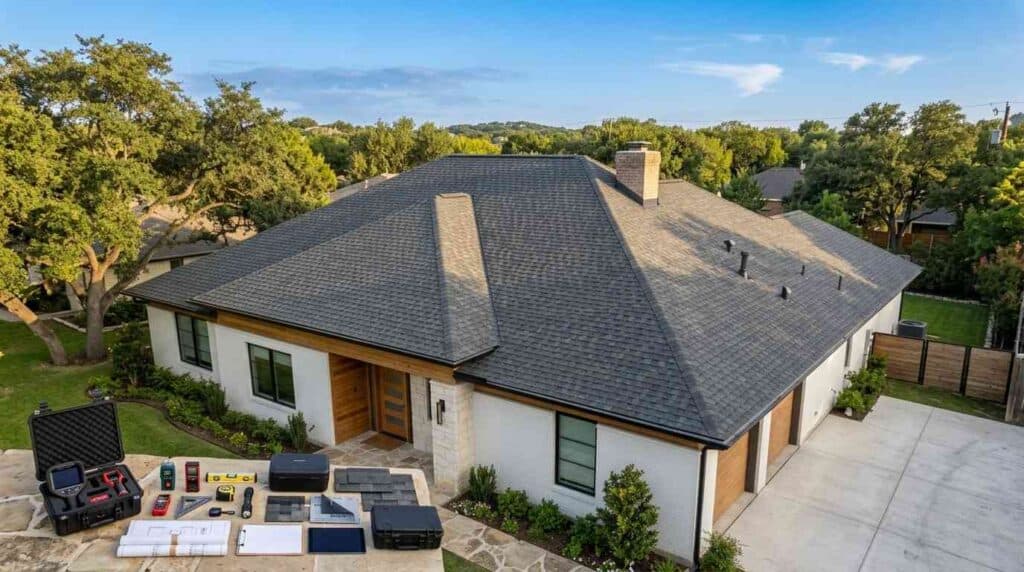
This guide walks through every phase of a new roof installation what each step involves, how long it takes, and what your contractor should be doing at each stage to protect your home. What to Expect Before Your New Roof Installation Begins The work that happens before a single shingle is removed is often what separates a smooth project from a stressful one. Pre-installation preparation sets the foundation for everything that follows, and understanding what goes into a new roof installation from the first inspection through final closeout helps homeowners set realistic expectations and avoid costly surprises before work begins. Initial Roof Inspection and Project Assessment Before any work is scheduled, a qualified roofing contractor will conduct a thorough inspection of your existing roof. This assessment covers the condition of your current shingles or roofing material, the state of the underlying deck, the integrity of flashing around chimneys, vents, and skylights, and the condition of gutters and fascia boards.
The inspection determines whether a full replacement is warranted, identifies any structural concerns that need to be addressed before installation begins, and gives the contractor the information needed to provide an accurate project estimate. In Austin's climate, inspectors also look for heat-related material degradation and signs of storm damage that may have gone unnoticed.
This phase typically takes two to four hours for a standard residential roof. Material Selection, Ordering, and Permit Approval Once the inspection is complete and you have agreed on a scope of work, your contractor will help you select roofing materials asphalt shingles, metal panels, tile, or another system based on your budget, home style, and performance goals.
Material orders are placed immediately after selection. Lead times vary by product and supplier availability, but most standard asphalt shingle orders arrive within two to five business days. Specialty materials like metal roofing or concrete tile can take one to three weeks.
Simultaneously, your contractor will pull the required building permit from the City of Austin. Permit approval timelines vary, but residential roofing permits in Austin are typically processed within three to seven business days. Work cannot legally begin until the permit is issued, so this step runs in parallel with material ordering to minimize delays. Phase 1 Roof Tear-Off and Deck Preparation With materials on-site and permits in hand, the physical installation begins. Phase 1 is the most disruptive part of the project for homeowners it is loud, generates significant debris, and requires full crew access to your property. Removing the Old Roofing Materials Tear-off involves stripping all existing roofing material down to the roof deck. For a standard asphalt shingle roof, this means removing shingles, underlayment, and any deteriorated flashing. The crew works in sections, loading debris into dump trailers or dumpsters positioned in your driveway or along the curb.
A full tear-off on a 2,000-square-foot roof typically takes four to eight hours with a full crew. Larger or more complex roofs with multiple planes, steep pitches, or difficult access may take a full day.
Some contractors offer overlay installations applying new shingles directly over existing ones but this approach is not recommended for most homes. It adds weight to the structure, prevents proper deck inspection, and can void manufacturer warranties on new materials. Inspecting and Repairing the Roof Deck Once the old material is removed, the crew inspects every square foot of the roof deck the plywood or OSB sheathing that forms the structural base of your roof system. This is one of the most important steps in the entire project.
If the decking shows signs of rot, soft spots, or water damage during tear-off, your contractor will address any necessary roof deck repair before new materials are applied a step that protects the entire system from the inside out. Damaged sections are cut out and replaced with matching sheathing, and all repairs are documented before the next phase begins.
Deck repairs add time and cost to the project, but skipping them creates a compromised foundation that shortens the life of your new roof significantly. Phase 2 Underlayment, Flashing, and Weatherproofing With a clean, solid deck in place, the crew installs the weatherproofing layers that protect your home before and after the primary roofing material goes on. This phase is critical to long-term performance and is often where quality differences between contractors become most visible. Installing Underlayment and Ice and Water Shield Underlayment is a water-resistant or waterproof layer installed directly over the roof deck before shingles or other primary materials are applied. It serves as a secondary barrier against wind-driven rain, condensation, and any moisture that penetrates the outer roofing layer.
In Austin, most residential roofs use synthetic underlayment, which is lighter, more durable, and more resistant to UV exposure during installation than traditional felt paper. In valleys, eaves, and around penetrations, a self-adhering ice and water shield is applied for additional protection against water infiltration.
Choosing the right underlayment is one of the most important weatherproofing decisions in any roofing project our guide to underlayment types and installation breaks down the differences between felt, synthetic, and self-adhering options so you know exactly what is going beneath your shingles. Flashing Installation Around Penetrations and Edges Flashing is thin metal typically galvanized steel or aluminum installed at every point where the roofing surface meets a vertical structure or changes direction. This includes chimney bases, pipe boots, skylight frames, roof-to-wall transitions, and along the eaves and rakes.
Properly installed flashing is one of the most reliable indicators of roofing quality. Poorly sealed or improperly overlapped flashing is the leading cause of roof leaks in otherwise sound roofing systems. Your contractor should use step flashing at wall intersections, counter flashing at chimneys, and pre-formed pipe boots at all penetrations.
This phase typically takes two to four hours on a standard residential roof, longer on homes with multiple chimneys, skylights, or complex roof geometry. Phase 3 Shingle or Roofing Material Installation With weatherproofing complete, the primary roofing material goes on. This is the most visible phase of the project and the one most homeowners associate with "the roof being installed." Laying the Primary Roofing Material For asphalt shingle roofs the most common residential roofing system in Austin installation begins at the eave and works upward in overlapping rows. Each shingle is nailed according to the manufacturer's specified nailing pattern, which is critical to wind resistance ratings and warranty compliance.
The material you choose directly affects installation time, labor complexity, and long-term performance our roofing materials guide covers every major option available to Austin homeowners, from asphalt shingles to metal and tile. A standard 2,000-square-foot asphalt shingle roof takes a full crew approximately four to eight hours to install. Metal roofing and tile systems take longer due to the precision required for panel alignment, fastening, and sealing.
Throughout installation, the crew works in a consistent pattern to ensure proper overlap, alignment, and coverage. Quality contractors perform visual checks at each course to catch misalignment or improper nailing before it is covered by the next row. Ridge Cap, Ventilation, and Final Roofing Details The ridge cap the row of shingles or specialized cap material that covers the peak of the roof is one of the last components installed. It seals the highest point of the roof against wind and water infiltration and gives the finished roof a clean, finished appearance.
Roof ventilation is installed or verified during this phase as well. Proper ventilation a balanced system of intake at the soffits and exhaust at or near the ridge is essential for managing attic heat and moisture in Austin's climate. Inadequate ventilation accelerates shingle deterioration, increases cooling costs, and can void manufacturer warranties.
Your contractor should confirm that the ventilation system meets local building code requirements and manufacturer specifications before the project moves to final inspection. Phase 4 Final Inspection, Cleanup, and Project Closeout The final phase of a new roof installation is as important as any of the installation phases. A thorough closeout process protects your investment and gives you the documentation you need for warranty claims, insurance purposes, and future resale. Post-Installation Roof Inspection After installation is complete, a thorough roof inspection process confirms every component was installed correctly and gives homeowners documented proof of workmanship before the crew leaves the property. Your contractor should walk the entire roof, checking shingle alignment, flashing seals, ridge cap installation, ventilation, and all penetration boots.
Many contractors also conduct a ground-level inspection to verify the roofline is straight, the drip edge is properly installed, and the finished appearance meets expectations. If your municipality requires a final building inspection, your contractor coordinates that appointment and ensures the permit is properly closed out. Site Cleanup, Debris Removal, and Warranty Documentation A professional roofing crew leaves your property in the same condition they found it or better. Cleanup includes removing all torn-off material, sweeping the roof surface and gutters, running a magnetic roller across the yard and driveway to collect roofing nails, and hauling away all debris.
Before the crew departs, your contractor should provide you with a complete warranty package. This includes the manufacturer's material warranty typically 25 to 50 years for premium asphalt shingles and the contractor's workmanship warranty, which covers installation-related issues for a specified period. Keep these documents in a safe place. They are required for warranty claims and are often requested during home sales. How Long Does a New Roof Installation Take in Austin, TX For most single-family homes in Austin, the physical installation tear-off through final shingle takes one to two days. The full project timeline, including pre-installation preparation and closeout, typically runs one to three weeks.
Here is a general timeline breakdown for a standard residential roof replacement in Austin: Initial inspection and estimate: 1 to 2 days after first contact Material selection and ordering: 2 to 5 business days (standard materials) Permit approval: 3 to 7 business days Scheduled installation date: 1 to 2 weeks after contract signing Physical installation: 1 to 2 days Final inspection and permit closeout: 1 to 3 days after installation Total project duration: 2 to 4 weeks from first contact to closeout These timelines assume standard conditions. Complex roofs, specialty materials, or high contractor demand during peak season can extend the schedule.
Timeline and budget are closely connected decisions understanding your roof replacement cost in Austin helps you plan the full scope of the project, not just the installation days. Factors That Can Affect Your Roof Installation Timeline Several variables can extend or compress your project timeline. Understanding them helps you plan realistically and respond quickly when adjustments are needed. Weather delays are the most common cause of schedule changes. Rain, high winds, and extreme heat can halt installation mid-project. Austin's spring storm season and summer heat create real scheduling pressure for roofing crews. Severe weather events are one of the most common reasons installation timelines shift unexpectedly if your project follows a storm, our storm damage roof repair page explains how insurance claims and emergency assessments affect scheduling. Deck damage discovered during tear-off adds time for repairs and material sourcing. Contractors cannot always predict the extent of deck damage before the old material is removed. Material availability affects projects involving specialty products. Standard architectural shingles are almost always in stock locally, but premium metal systems, concrete tile, and certain designer shingle lines may require longer lead times. Permit processing delays occasionally occur during high-volume periods. Your contractor should submit permit applications as early as possible to avoid holding up the installation date. Roof complexity steep pitches, multiple valleys, dormers, skylights, and chimneys increases both installation time and the precision required at each phase.
For homeowners weighing all the variables that go into a full project from material lead times to contractor scheduling our complete roof replacement guide covers every decision point from first call to final inspection. Conclusion A new roof installation moves through a clear sequence of phases inspection, preparation, tear-off, weatherproofing, material installation, and closeout each one building on the last. Understanding that sequence helps you know what your contractor should be doing at every stage and what questions to ask when something seems off.
In Austin's climate, the quality of each phase matters as much as the speed. A roof installed correctly the first time protects your home for decades and holds its warranty value through every season.
At Tarrytown Roofing , we walk every homeowner through the full installation process before work begins so you know exactly what to expect, when to expect it, and who to call if anything changes. Frequently Asked Questions How many days does it take to install a new roof on a typical Austin home? Most standard residential roofs in Austin are installed in one to two days. Larger homes, complex roof designs, or specialty materials like metal or tile may require two to three days for the physical installation phase alone. Do I need to be home during my roof installation? You do not need to be home for the entire installation, but you should be available at the start of the project for a walkthrough and at the end for the final inspection. Your contractor should have a clear way to reach you if unexpected issues arise during tear-off or deck inspection. What happens if rain is in the forecast during my scheduled installation? Reputable contractors monitor weather closely and will reschedule if significant rain is expected. If rain arrives unexpectedly mid-installation, the crew will cover exposed areas with tarps to protect the deck until work can safely resume. Your contractor should communicate any weather-related delays promptly. Can a new roof be installed over my existing shingles? While overlay installations are technically possible, most roofing professionals and most manufacturers recommend a full tear-off. Installing over existing shingles prevents proper deck inspection, adds structural weight, and can void the manufacturer's warranty on new materials. What warranty documentation should I receive after my roof is installed? You should receive two separate warranty documents: the manufacturer's material warranty covering the shingles or roofing product, and the contractor's workmanship warranty covering installation quality. Both should be in writing, clearly state the coverage period and terms, and include contact information for filing a claim. How do I know if my roof deck needs repair before installation? Your contractor will identify deck damage during tear-off. Signs that often indicate deck issues include soft or spongy areas when walking the roof, visible staining or discoloration on the underside of the sheathing in the attic, and areas where the old roofing material showed persistent leaking. A thorough pre-installation inspection reduces but does not eliminate the chance of discovering deck damage mid-project. Does Tarrytown Roofing handle the permit process for new roof installations in Austin? Yes. Tarrytown Roofing manages the permit application and coordination with the City of Austin on behalf of homeowners. We submit the required documentation, track approval status, and schedule the final building inspection after installation is complete.
Related
Blog
Underlayment Systems for New Roof Installations
Underlayment Systems for New Roof Installations Roofing underlayment is the protective layer installed directly on your roof deck beneath the shingles and choosing the right system is one of the most important decisions in any new roof installation. Most homeowners focus on shingle color or material, but underlayment is what stands between your home and…
Blog
Warranty Coverage for Roof Replacement Materials and Labor
Warranty Coverage for Roof Replacement Materials and Labor Most roof replacement warranties split into two separate coverages: one from the manufacturer protecting the materials, and one from your contractor protecting the installation work. Knowing what each covers, how long each lasts, and what can void them is essential before you sign any roofing contract. When…
Blog
Signs That a Roof Needs Full Replacement Rather Than Repair
Signs That a Roof Needs Full Replacement Rather Than Repair Not every roofing problem can be fixed with a patch. When damage is widespread, structural, or tied to a roof that has simply reached the end of its service life, repairs become a short-term solution to a long-term problem and the costs add up fast….
Ready for the next step?
Free inspection, real answers, no pressure.