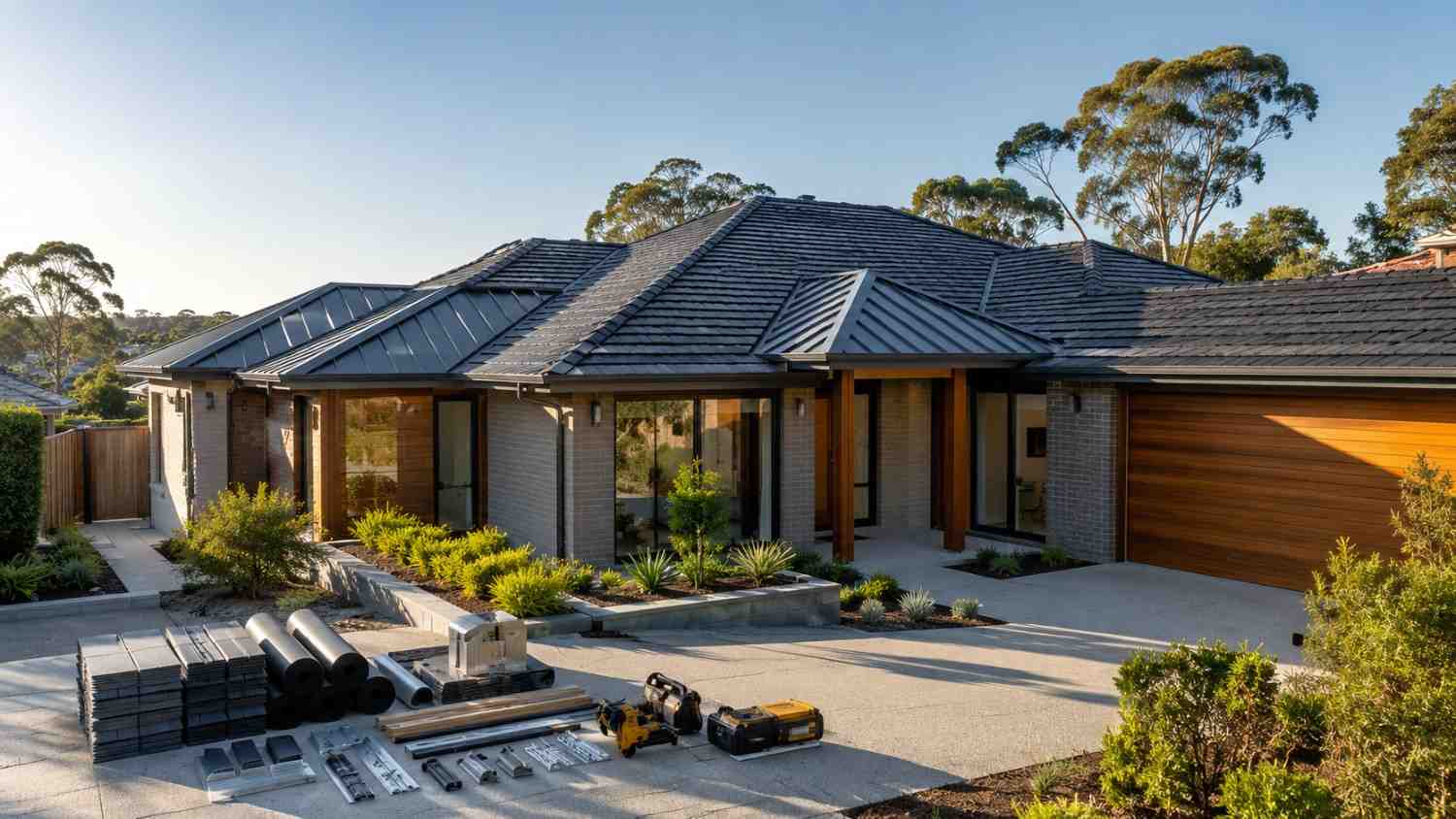
Premium Australian home with a professionally installed new roof system featuring architectural shingles, standing seam metal accents, seamless gutters, roof ventilation, and expert craftsmanship.
A new roof is one of the most significant investments a homeowner makes , and one of the most consequential decisions for the long-term safety, value, and performance of your property. Roof installation is the process of designing, selecting, and constructing a complete roofing system on a residential structure, encompassing material selection, structural preparation, waterproofing layers, and finished surface installation. In Austin, TX, where intense summer heat, seasonal hail, and unpredictable storm activity place real demands on roofing systems, getting this decision right matters more than most homeowners realize. Choosing the wrong material, hiring an unqualified contractor, or misunderstanding what your installation includes can cost thousands of dollars in premature repairs, voided warranties, or failed insurance claims. This guide covers every dimension of residential roof installation , from roofing materials and cost factors to the installation process, permits, warranties, insurance, contractor selection, and long-term maintenance , giving you the orientation you need to make confident, informed decisions about your home.

What Is Roof Installation?

Roof installation is the construction of a complete roofing system on a residential structure. It is not simply the placement of shingles , a properly installed roof is a layered system that includes the structural deck, underlayment, insulation, flashing, ventilation components, and the finished surface material working together to protect your home from weather, moisture, and heat. The term “roof installation” applies to two distinct scenarios: new construction, where a roof is built on a structure for the first time, and full roof replacement, where an existing roofing system is removed and rebuilt from the deck up. Both involve the same core components and installation standards, though replacement projects add the step of tear-off and deck inspection before new materials are applied.

New Roof vs. Roof Replacement: What’s the Difference?

A new roof installation on new construction begins with a bare structural deck , there is no existing system to remove, and the contractor builds the full roofing assembly from scratch. A roof replacement, by contrast, involves removing the existing roofing materials down to the deck, inspecting and repairing the deck as needed, and then installing a complete new system. For most homeowners in Austin, the relevant scenario is replacement. The vast majority of roofing projects involve an aging or damaged roof that has reached the end of its serviceable life and needs to be fully rebuilt rather than patched.

When Does a Roof Need to Be Replaced?

Most asphalt shingle roofs have a functional lifespan of 20 to 30 years under normal conditions. In Austin’s climate, where UV exposure is intense and summer temperatures regularly exceed 100°F, shingles can degrade faster than in cooler regions. Common indicators that a roof has reached replacement threshold include widespread granule loss, curling or buckling shingles, persistent leaks that recur after repairs, visible sagging in the deck, and significant storm damage that affects a large portion of the roof surface. A professional roof inspection is the most reliable way to determine whether your roof needs repair or full replacement , and understanding that distinction before contacting a contractor can save you from both unnecessary replacements and costly under-repairs. Our guide to roof repair vs. full replacement decisions walks through the key diagnostic criteria, cost comparison framework, and decision factors that help homeowners determine the right path forward for their specific situation.

Roofing Materials: Which System Is Right for Your Home?

The roofing material you choose determines your roof’s lifespan, performance in Austin’s climate, energy efficiency, maintenance requirements, and total cost of ownership. No single material is right for every home , the best choice depends on your roof’s pitch and structure, your budget, your aesthetic preferences, and how long you plan to stay in the property. There are four primary roofing systems used in Austin residential construction, each with distinct performance profiles.

Asphalt Shingles

Asphalt shingles are the most widely installed roofing material in the United States, and they dominate Austin’s residential market for good reason. They offer a strong balance of affordability, availability, and performance, with three-tab shingles providing basic protection at lower price points and architectural (dimensional) shingles offering enhanced durability, wind resistance, and visual depth. Impact-resistant asphalt shingles, rated Class 3 or Class 4 by Underwriters Laboratories, are particularly relevant in Austin given the region’s hail exposure , and many insurance carriers offer premium discounts for homes with Class 4 rated roofing.

Metal Roofing

Metal roofing systems , including standing seam steel and aluminum panel systems , have grown significantly in popularity among Austin homeowners due to their exceptional heat reflectivity, longevity, and low maintenance requirements. A properly installed metal roof can last 40 to 70 years, compared to 20 to 30 years for standard asphalt shingles. The higher upfront cost is offset over time by reduced maintenance, lower cooling costs, and longer replacement cycles. Metal roofing is particularly well-suited to Austin’s solar intensity and is increasingly specified on energy-efficient new construction.

Tile and Slate Roofing

Concrete tile, clay tile, and natural slate roofing systems offer exceptional longevity , slate roofs can last 75 to 100 years with proper maintenance , and provide a distinctive aesthetic that complements many Austin architectural styles. These materials are heavier than asphalt or metal, which means the home’s structural framing must be evaluated before installation to confirm it can support the added load. Tile and slate are premium-tier investments with higher installation costs, but they deliver unmatched lifespan and curb appeal for homeowners who plan to stay in their property long-term.

Flat and Low-Slope Roofing Systems

Flat and low-slope roofs require entirely different materials and installation methods than pitched roofs. Common systems include TPO (thermoplastic polyolefin), EPDM (ethylene propylene diene monomer), and modified bitumen membranes. These systems are designed to manage water drainage on nearly horizontal surfaces and require specific maintenance protocols to prevent ponding water and membrane degradation. Flat roofing is common on modern architectural homes, additions, and commercial-residential hybrid structures in Austin. Choosing the right roofing system depends on your home’s structure, your budget, and Austin’s climate demands , our complete guide to roofing materials for Austin homes breaks down every major material option, including performance ratings, cost comparisons, and long-term durability data to help you make a confident decision.

How Much Does Roof Installation Cost in Austin, TX?

Roof installation cost in Austin varies widely depending on the size of your home, the material you choose, the complexity of your roof’s design, and current labor market conditions. According to HomeAdvisor’s 2024 roofing cost data, the national average for a full roof replacement ranges from $5,700 to $16,000, with Austin-area projects typically falling in the $8,000 to $20,000+ range depending on material grade and roof complexity. Understanding what drives roofing costs is essential before you request your first quote , it prevents sticker shock, helps you evaluate bids accurately, and ensures you are comparing equivalent scopes of work across contractors.

Key Factors That Affect Roofing Costs

Several variables directly influence what you will pay for a new roof installation in Austin: Roof size and complexity. Roofing is priced by the square (100 square feet of roof surface). A larger home costs more, and a roof with multiple valleys, dormers, skylights, or steep pitches requires more labor and material waste allowance, increasing cost per square. Material selection. Three-tab asphalt shingles are the most affordable option. Architectural shingles cost more but deliver better performance and aesthetics. Metal roofing, tile, and slate carry significantly higher material costs but offer longer lifespans that reduce lifetime cost per year. Tear-off and disposal. Removing and disposing of existing roofing materials adds cost to any replacement project. Some contractors offer re-roofing (installing new shingles over existing ones), but this practice is generally not recommended and may not be permitted under local building codes. Deck repairs. Once the old roofing is removed, the structural deck is inspected. Damaged, rotted, or soft decking must be repaired or replaced before new materials are installed. Deck repair costs are typically quoted separately and can add $500 to $2,000+ to a project depending on the extent of damage. Permits and inspections. Austin requires permits for roof replacement projects, and permit fees are a legitimate line item in any honest contractor’s bid.

Average Cost Ranges by Material

Material Estimated Cost per Square Typical Lifespan
3-Tab Asphalt Shingles $350–$500 15–20 years
Architectural Asphalt Shingles $450–$700 25–30 years
Impact-Resistant Shingles (Class 4) $600–$900 25–35 years
Metal Roofing (Standing Seam) $900–$1,600 40–70 years
Concrete Tile $700–$1,200 40–50 years
Natural Slate $1,500–$3,000+ 75–100 years
Understanding what drives roofing costs requires more than a single number , our detailed breakdown of roof replacement cost in Austin covers every pricing variable, from material grades and roof pitch to labor rates and permit fees, so you can budget accurately before getting your first quote.

The Roof Installation Process: What to Expect

Understanding what happens during a roof installation helps you evaluate contractor proposals, set realistic expectations for your project timeline, and identify whether the work being done meets professional standards. A properly executed roof installation follows a defined sequence of steps , and skipping or shortcutting any of them creates vulnerabilities that can lead to leaks, premature failure, or voided warranties.

Step 1: Roof Inspection and Assessment

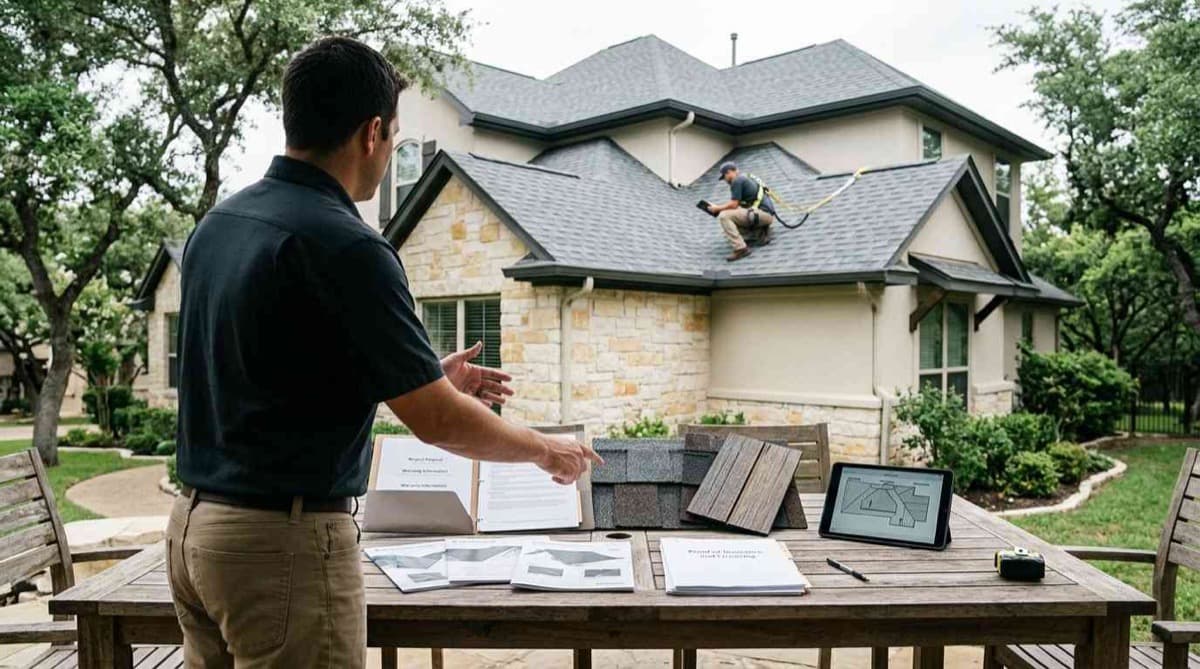
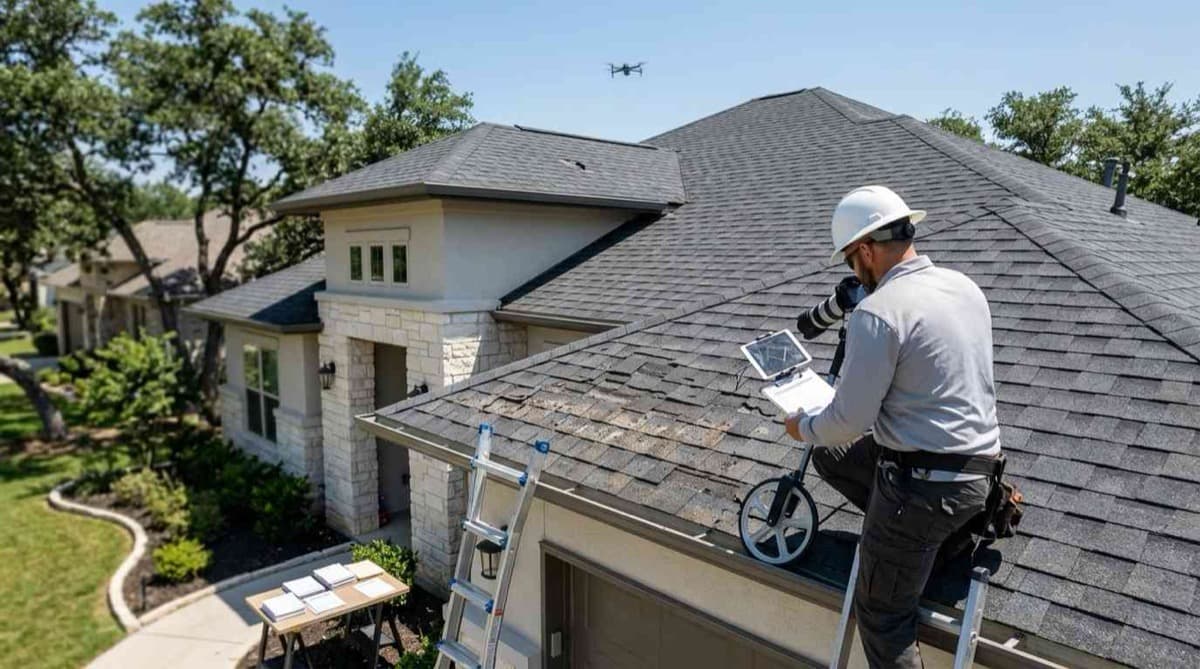
Before any materials are ordered or work begins, a qualified roofing contractor performs a thorough inspection of the existing roof system. This includes evaluating the condition of the current surface material, inspecting the deck for soft spots, rot, or structural damage, checking flashing around penetrations and valleys, and assessing ventilation adequacy. The inspection findings determine the full scope of work, including whether deck repairs will be needed and what material specifications are appropriate for the structure.

Step 2: Material Selection and Ordering

Once the scope is confirmed, materials are specified and ordered. This includes the primary surface material (shingles, metal panels, tile), underlayment, ice and water shield for vulnerable areas, ridge cap material, flashing components, and fasteners. Professional contractors order materials with appropriate waste factors built in to ensure the project is not delayed by material shortages mid-installation.

Step 3: Tear-Off and Deck Preparation

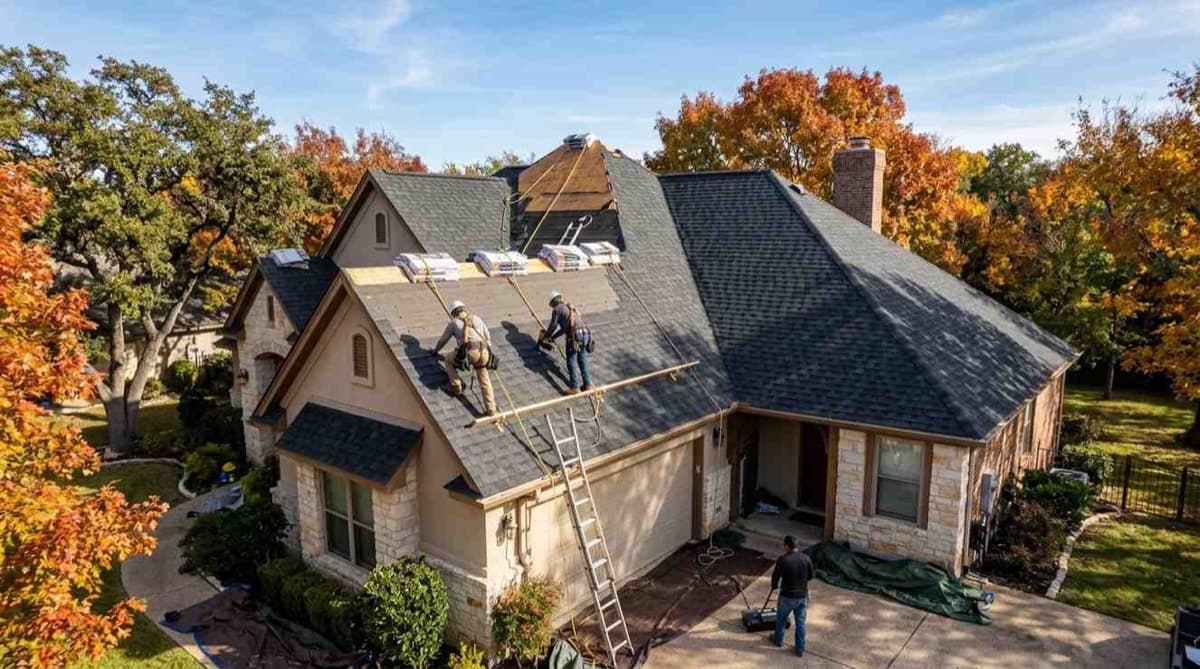
On the day installation begins, the crew removes all existing roofing material down to the structural deck. The deck is then inspected in detail , any damaged, rotted, or structurally compromised decking is replaced before new materials are applied. This step is critical: installing new roofing over a compromised deck is one of the most common causes of premature roofing failure and is a red flag in any contractor’s proposal.

Step 4: Installation, Flashing, and Final Inspection

With a clean, sound deck confirmed, the installation sequence begins: underlayment is applied first as a secondary moisture barrier, followed by ice and water shield in vulnerable areas (valleys, eaves, around penetrations), then the primary surface material. Flashing is installed at all roof penetrations, valleys, and wall intersections , flashing failure is the leading cause of roof leaks, making this step one of the most skill-dependent in the entire process. After installation is complete, a final inspection is conducted to verify that all components meet manufacturer specifications and local building code requirements. Every homeowner benefits from knowing what happens on their property during a roofing project , our step-by-step guide to the full roof installation process walks through every phase from initial tear-off to final inspection, including what questions to ask your contractor at each stage.

Roof Installation Timeline: How Long Does It Take?

For most Austin homeowners, a standard residential roof replacement is completed in one to three days. A straightforward single-story home with an uncomplicated roof design and asphalt shingles can often be completed in a single full workday by an experienced crew. Larger homes, complex roof geometries, multi-story structures, or premium materials like tile or metal panels typically require two to four days of installation time. Several factors can extend a project timeline beyond the initial estimate. Deck repairs discovered after tear-off add time that cannot be predicted before work begins. Material delivery delays, permit processing timelines, and weather interruptions , particularly relevant in Austin during spring storm season , can all push completion dates. A reputable contractor will communicate these variables clearly in the project proposal and provide realistic scheduling expectations rather than overpromising a one-day completion on a complex project. The timeline for a new roof varies significantly based on home size, material type, and weather conditions , our dedicated resource on how long roof installation takes explains typical project durations for every major roofing system and what factors can extend or compress your schedule.

Roofing Permits and Code Requirements in Austin, TX

Roof replacement in Austin requires a building permit from the City of Austin Development Services Department. This is not optional , unpermitted roofing work can create significant problems at the time of home sale, may void your homeowners insurance coverage for related claims, and leaves you without the protection of a city inspection confirming the work meets code. The permit requirement applies to full roof replacements. Minor repairs , replacing a small number of damaged shingles, for example , typically do not require a permit, but any project involving removal and replacement of the entire roofing system does. Austin’s building code references the International Residential Code (IRC) for roofing standards, including requirements for underlayment, fastener patterns, flashing installation, and ventilation ratios. A professional roofing contractor handles the permit application process on your behalf as part of the project scope. If a contractor proposes to skip the permit to reduce cost or speed up the timeline, this is a significant red flag , it shifts legal liability to the homeowner and eliminates the independent inspection that protects your investment. Pulling the correct permits before work begins protects your home’s resale value and ensures your installation meets local building codes , our guide to Austin roofing permit requirements explains exactly which permits are needed, how the approval process works, and what happens if work is done without them.

Roof Warranties: What’s Covered and What’s Not

A new roof installation comes with two distinct types of warranty coverage, and understanding the difference between them is essential for protecting your investment. Many homeowners assume their new roof is fully covered for decades , only to discover after a problem arises that the specific failure mode falls outside the scope of either warranty.

Manufacturer Warranties

Manufacturer warranties cover defects in the roofing materials themselves , shingles that fail prematurely due to manufacturing defects, for example. These warranties are issued by the material manufacturer (GAF, Owens Corning, CertainTeed, and others) and typically range from 25 years to lifetime coverage depending on the product line. However, manufacturer warranties are often prorated, meaning the coverage value decreases over time, and they may be voided by improper installation, inadequate ventilation, or installation by a non-certified contractor. Some manufacturers offer enhanced warranty programs , such as GAF’s System Plus or Golden Pledge warranties , that provide broader coverage and longer terms, but these require installation by a manufacturer-certified contractor using a complete system of that manufacturer’s components.

Contractor Workmanship Warranties

Workmanship warranties are issued by the roofing contractor and cover installation errors , improper flashing, inadequate fastening, incorrect underlayment application, and similar installation-related failures. These warranties vary significantly between contractors, ranging from one year to ten years or more. A contractor who offers only a one-year workmanship warranty on a major installation project is providing minimal protection; reputable contractors typically offer five to ten years of workmanship coverage. Not all roofing warranties offer the same protection, and the differences between manufacturer coverage and contractor workmanship guarantees can significantly affect your long-term costs , our guide to roofing warranty coverage explained breaks down what each warranty type covers, what voids coverage, and what to look for before signing.

Roof Installation and Homeowners Insurance

Homeowners insurance plays a significant role in many Austin roof replacement projects , particularly given the region’s exposure to hail storms, high winds, and severe weather events. Understanding how insurance intersects with roof installation helps you navigate the claims process effectively and avoid leaving legitimate coverage on the table.

When Insurance Covers Roof Replacement

Homeowners insurance typically covers roof replacement when the damage is caused by a sudden, accidental event , a hailstorm, wind event, falling tree, or fire. It does not cover damage caused by normal wear and tear, aging, lack of maintenance, or gradual deterioration. The distinction matters because insurance adjusters are trained to identify the cause of damage, and claims that mix storm damage with pre-existing wear are frequently disputed. In Austin, hail is the most common trigger for insurance-covered roof replacements. The Insurance Information Institute reports that wind and hail damage accounts for approximately 45% of all homeowners insurance claims in the United States , and Texas consistently ranks among the highest-claim states due to its severe weather frequency.

How to File a Roof Insurance Claim

The claims process begins with documenting the damage , photographs, dates, and a professional inspection report from a licensed roofing contractor. Your contractor submits a detailed scope of work and cost estimate to your insurance carrier, and an insurance adjuster inspects the property to determine the extent of covered damage. If the adjuster’s assessment and the contractor’s scope differ significantly, a public adjuster or supplemental claim process may be warranted. Navigating a homeowners insurance claim for roof damage is one of the most confusing parts of the replacement process , our complete guide to the roof insurance claim process explains when damage qualifies for coverage, how to document your claim, and how to work with your adjuster to get a fair settlement.

How to Choose a Roofing Contractor in Austin, TX

The quality of your roof installation depends more on the contractor you hire than on any other single factor. The best materials installed incorrectly will fail prematurely. A qualified, experienced contractor using standard materials will consistently outperform an unqualified contractor using premium products. Contractor selection is not a step to rush , it is the most consequential decision in the entire roofing process.

Licensing, Insurance, and Credentials

In Texas, roofing contractors are not required to hold a state-issued roofing license, which means the barrier to entry is low and the quality range among contractors is wide. However, legitimate professional contractors carry general liability insurance (minimum $1 million per occurrence is standard) and workers’ compensation coverage for their employees. Verifying these credentials before signing any contract is non-negotiable , if a worker is injured on your property and the contractor lacks proper coverage, you may be exposed to liability. Additional credentials to look for include manufacturer certification programs (GAF Master Elite, Owens Corning Preferred Contractor), membership in the National Roofing Contractors Association (NRCA), and a verifiable local business presence with a physical address and established Austin-area reputation.

Questions to Ask Before Signing a Contract

Before committing to any roofing contractor, ask these questions directly:
  • Are you licensed and insured? Can you provide certificates of insurance?
  • Will you pull the required permits for this project?
  • What warranty do you offer on your workmanship, and what does it cover?
  • Who will be on-site supervising the installation , your employees or subcontractors?
  • How do you handle deck damage discovered after tear-off?
  • What is your process for protecting my property during installation?
A contractor who hesitates on any of these questions, or who pressures you to sign before you have reviewed the contract in full, is demonstrating the kind of behavior that leads to poor outcomes. Hiring the wrong contractor is the single most preventable cause of roofing failures , our guide to choosing a qualified roofing contractor in Austin covers every vetting step, from verifying licensing and insurance to evaluating bids, reading contracts, and spotting red flags before work begins.

Roof Maintenance After Installation

A new roof is not a maintenance-free investment. Every roofing system , regardless of material , requires periodic inspection and minor maintenance to perform at its rated lifespan. Neglecting routine maintenance is one of the most common reasons roofs fail years before their expected replacement date, and it can also void manufacturer warranty coverage if the failure is attributed to lack of care. The core elements of a residential roof maintenance program include annual professional inspections (ideally in the fall before winter weather and in the spring after storm season), clearing debris from valleys and gutters, inspecting and resealing flashing around penetrations, checking for granule loss or surface damage after major storms, and addressing minor repairs promptly before they develop into larger failures. In Austin’s climate, UV degradation, thermal cycling from extreme temperature swings, and hail impact are the primary stressors on roofing systems. A proactive maintenance approach extends roof life, protects warranty coverage, and gives you early warning of developing issues before they become emergency repairs. A new roof is a long-term investment that requires consistent care to reach its full lifespan , our residential roof maintenance schedule outlines the seasonal inspection tasks, minor repair priorities, and professional service intervals that keep your roof performing at its best for decades.

Conclusion

Roof installation is a multi-dimensional process that encompasses material selection, structural preparation, installation execution, permitting, warranty protection, insurance coordination, and long-term maintenance , each component directly affecting the performance and longevity of your roofing system. The spoke resources linked throughout this guide go deeper into each dimension, from cost breakdowns and material comparisons to contractor vetting and insurance claims, giving you a complete knowledge base for every stage of the roofing process. When you are ready to move forward with a new roof installation in Austin, contact Tarrytown Roofing for a professional inspection, honest assessment, and a detailed proposal built around your home’s specific needs.

Frequently Asked Questions

How long does a new roof installation take?

Most residential roof replacements in Austin are completed in one to three days. Simple single-story homes with standard asphalt shingles can often be finished in a single workday, while larger or more complex roofs may require two to four days.

What is the best roofing material for Austin, TX?

Architectural asphalt shingles and impact-resistant Class 4 shingles are the most practical choices for most Austin homeowners, balancing cost, performance, and hail resistance. Metal roofing is an excellent long-term option for homeowners prioritizing energy efficiency and longevity.

How much does it cost to install a new roof in Austin?

Roof installation in Austin typically ranges from $8,000 to $20,000 or more depending on home size, material selection, and roof complexity. Architectural asphalt shingles are the most common mid-range option, while metal and tile systems carry higher upfront costs.

Does homeowners insurance cover roof replacement?

Homeowners insurance covers roof replacement when damage is caused by a sudden event such as hail, wind, or fire. It does not cover damage from normal aging, wear and tear, or lack of maintenance. Documentation and a professional inspection report are essential for a successful claim.

What is the difference between a roof repair and a full replacement?

A roof repair addresses localized damage , replacing a section of shingles, resealing flashing, or patching a leak. A full replacement removes the entire existing roofing system and rebuilds it from the deck up. The right choice depends on the age of the roof, the extent of damage, and the cost comparison between repair and replacement.

How do I know if my roof needs to be replaced?

Key indicators include widespread granule loss, curling or buckling shingles, recurring leaks that return after repairs, visible sagging in the deck, and a roof age of 20 or more years. A professional inspection provides the most reliable assessment of whether repair or replacement is the appropriate course of action.

What warranty should I expect on a new roof?

A new roof installation should come with two warranties: a manufacturer’s material warranty (typically 25 years to lifetime depending on the product) and a contractor workmanship warranty (five to ten years from a reputable contractor). Review both documents carefully before signing any contract.

WHY WAIT! GET A FREE ESTIMATE & CONSULTATION