Roof Replacement: Everything Homeowners Need to Know

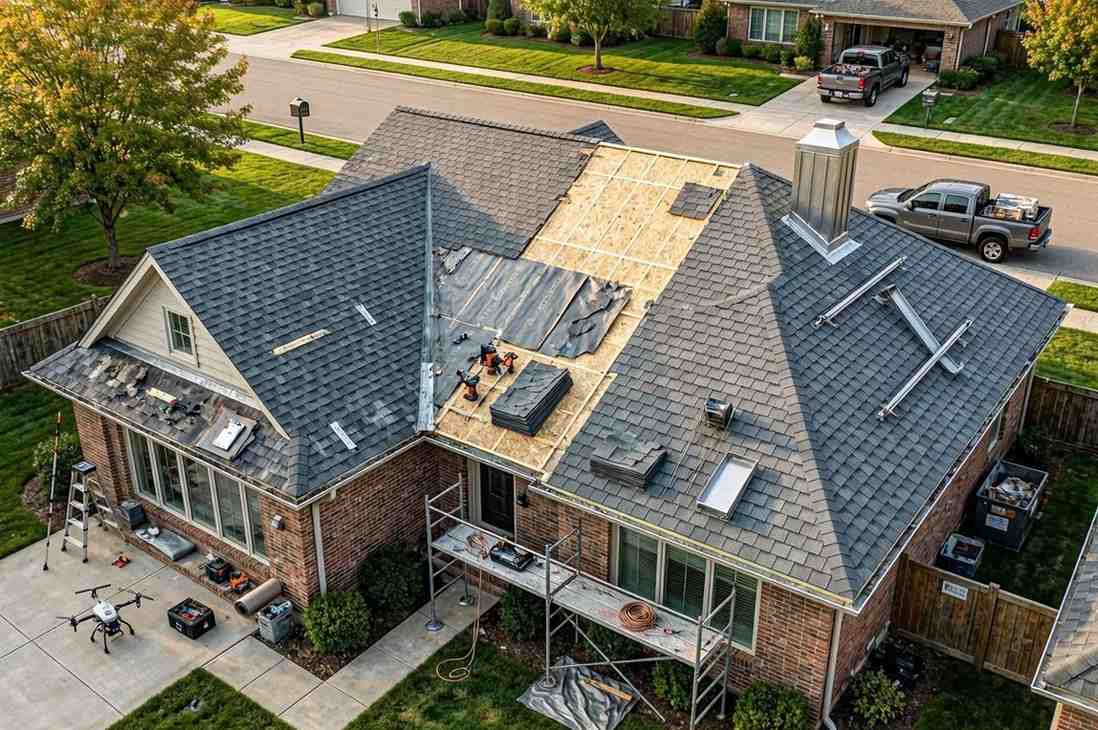
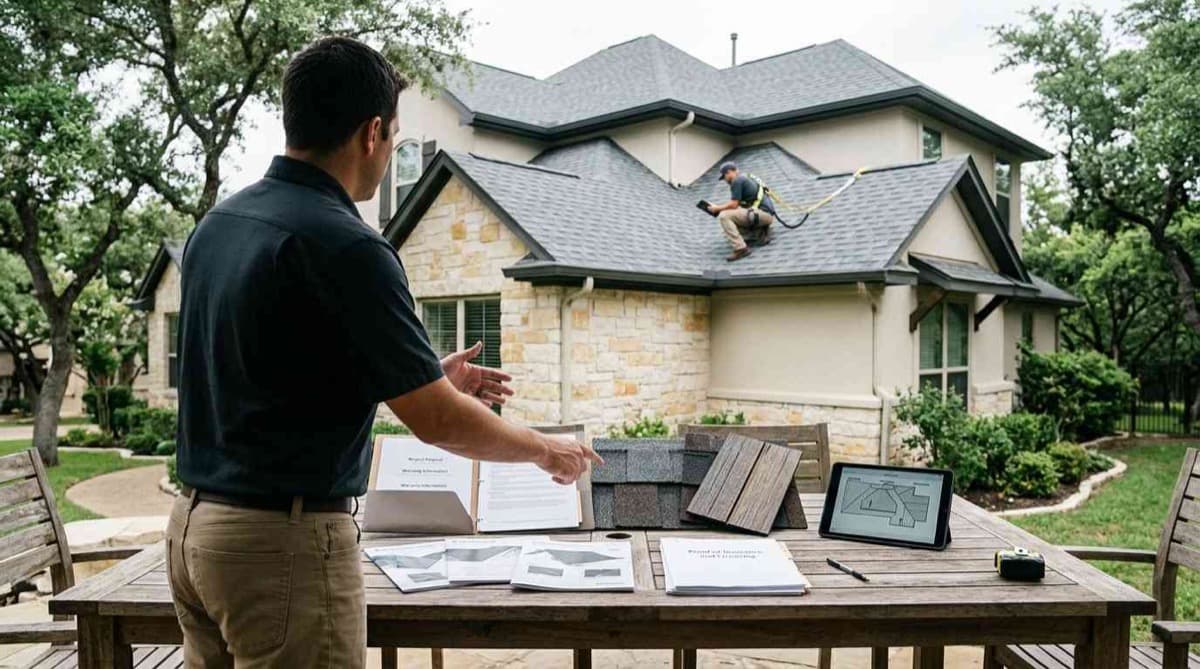
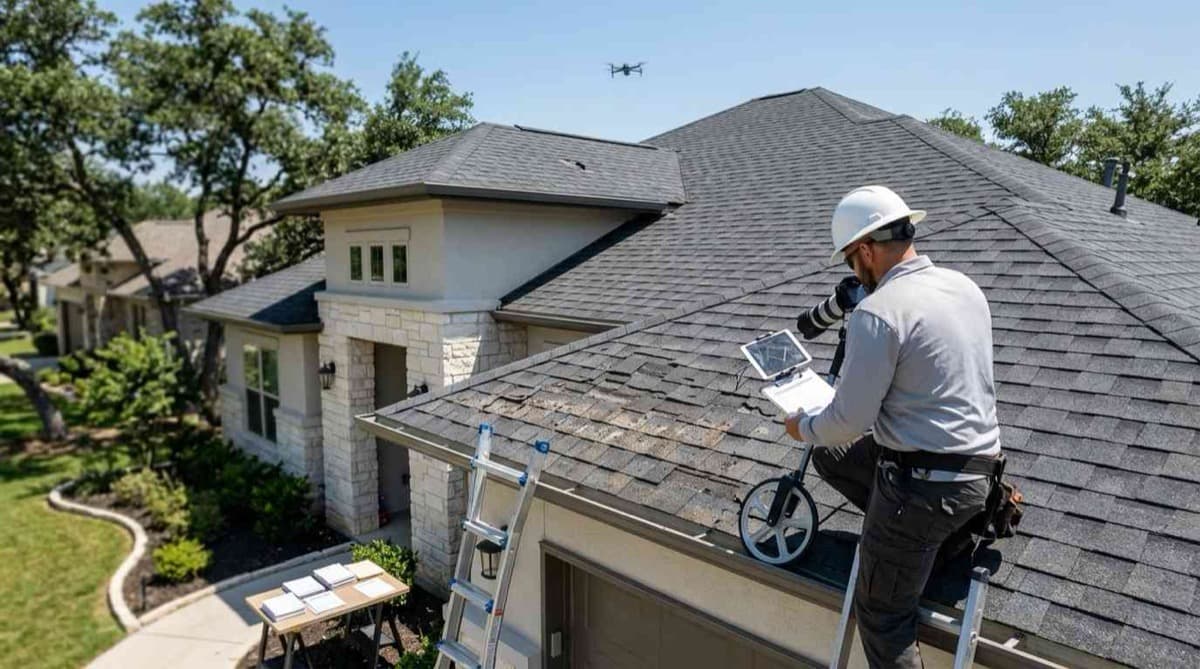
complete residential roof replacement process showing roof inspection installation and finished premium roofing system on a modern home without people
Roof replacement is one of the largest home improvement investments a homeowner will make  a full-system overhaul that protects your property’s structure, interior, and long-term value. Understanding what drives the cost, which materials last longest, and how the process works from start to finish puts you in control of a decision that affects your home for the next 20 to 50 years. Skipping that understanding is expensive. Homeowners who go into a roof replacement without knowing what to expect often overpay, choose the wrong material, or hire a contractor who cuts corners on installation  problems that compound over time and cost far more to fix than the original replacement. This guide covers everything you need to know: when replacement is the right call, what it costs in Austin, which materials perform best, how the process unfolds, what insurance covers, how to choose a contractor, and how to protect your investment once the new roof is in place.

What Is Roof Replacement and When Do You Actually Need One?

Roof replacement is the complete removal of your existing roofing system  shingles, underlayment, and in many cases damaged decking  followed by the installation of an entirely new system from the substrate up. It is distinct from a roof repair, which addresses isolated damage without replacing the full system. Most roofs in Austin are built with asphalt shingles rated for 20 to 30 years. When a roof approaches or exceeds that lifespan, or when damage is widespread enough that repairs no longer make economic sense, replacement becomes the right call. The challenge for most homeowners is knowing where that line is. The most common triggers for roof replacement include age-related deterioration, widespread granule loss on shingles, persistent leaks that recur after repairs, visible sagging or soft spots in the decking, and significant storm damage from hail or high winds. Interior signs  water stains on ceilings, mold in the attic, or daylight visible through the roof boards  often indicate that damage has already progressed beyond what repairs can address.

Repair vs. Replacement  The Key Distinction

A repair addresses a specific, localized problem: a few missing shingles, a failed flashing seal, or a small section of damaged decking. A replacement addresses the system as a whole when the cumulative condition of the roof no longer justifies continued patching. The general industry benchmark is that when repair costs exceed 50% of the cost of a full replacement, replacement is the more economical long-term choice. Age is the other critical variable  a 25-year-old roof that needs a $3,000 repair may still be better served by replacement, because the underlying system is near the end of its rated lifespan regardless of the repair. Knowing when to replace rather than repair comes down to recognizing specific warning signals in your home  our complete guide to the signs you need a roof replacement walks through every indicator, from granule loss and sagging decking to interior water stains and age-related deterioration, so you can make a confident call before small problems become structural ones.

How Much Does Roof Replacement Cost in Austin, TX?

Roof replacement costs in Austin typically range from $8,000 to $25,000 for a standard single-family home, with most projects falling between $10,000 and $18,000 depending on roof size, pitch, material selection, and the condition of the existing decking. According to Remodeling Magazine’s 2024 Cost vs. Value Report, the national average for a midrange asphalt shingle roof replacement is approximately $29,136, though Austin’s labor market and material costs position most projects below that national benchmark.

What Drives Roof Replacement Costs

Several variables determine where your project lands within that range. Roof size  measured in roofing squares, where one square equals 100 square feet  is the most direct cost driver. A 1,500-square-foot home with a simple gable roof will cost significantly less than a 2,800-square-foot home with multiple valleys, dormers, and a steep pitch. Pitch matters because steeper roofs require more labor, specialized safety equipment, and longer installation time. Material selection is the second major variable  asphalt shingles are the most affordable option, while metal, tile, and slate carry higher material and installation costs. Decking condition is a wildcard: if the existing plywood or OSB decking is rotted or structurally compromised, replacement adds cost that is not visible until the old shingles are removed. Labor rates in Austin have increased steadily alongside the city’s construction market growth. Contractor overhead, warranty terms, and the quality of underlayment and flashing systems also affect final pricing.

Average Cost Ranges by Roof Size and Material

Roof Size Asphalt Shingles Metal Roofing Tile Roofing
1,000–1,500 sq ft $7,000–$11,000 $12,000–$18,000 $15,000–$22,000
1,500–2,500 sq ft $10,000–$16,000 $18,000–$28,000 $22,000–$35,000
2,500–3,500 sq ft $15,000–$22,000 $26,000–$40,000 $32,000–$50,000
These ranges reflect standard pitch roofs with no significant decking replacement. Steep-pitch roofs, complex geometry, and decking repairs can add 15% to 30% to the base estimate. For homeowners who want a full breakdown of every pricing variable  from square footage and pitch to material grade and labor rates  our detailed roof replacement cost guide for Austin covers average price ranges, contractor markup factors, and how to evaluate competing estimates so you know exactly what a fair price looks like in this market.

Roofing Materials  Which One Is Right for Your Home?

The material you choose for your roof replacement determines not just the upfront cost but the lifespan, maintenance requirements, energy performance, and aesthetic character of your home for decades. In Austin’s climate  characterized by intense summer heat, UV exposure, periodic hail, and occasional severe storms  material selection carries real performance consequences.

Asphalt Shingles

Asphalt shingles are the most widely installed roofing material in the United States, accounting for approximately 70% of all residential roofing according to the National Association of Home Builders. Their dominance comes from a combination of affordability, ease of installation, and a wide range of aesthetic options. Standard three-tab shingles carry a 20 to 25-year rated lifespan. Architectural (dimensional) shingles  the more common choice for full replacements today  are rated for 25 to 30 years and offer better wind resistance and a more textured appearance. Premium impact-resistant shingles, rated Class 4 by UL standards, are increasingly popular in Austin because they can qualify homeowners for insurance premium discounts.

Metal Roofing

Metal roofing has grown significantly in the Texas residential market due to its exceptional durability, energy efficiency, and storm resistance. Standing seam metal roofs carry rated lifespans of 40 to 70 years and reflect solar heat more effectively than asphalt, which can reduce cooling costs in Austin’s long summers. The upfront cost of metal is higher  typically 2 to 3 times the cost of asphalt shingles  but the extended lifespan and reduced maintenance requirements make the long-term cost per year competitive. Metal roofing also performs well against hail, which is a meaningful consideration in Central Texas.

Tile and Slate Roofing

Concrete and clay tile roofing offers exceptional longevity  50 years or more with proper maintenance  and is well-suited to Austin’s Spanish and Mediterranean architectural styles. Tile is heavy, however, and requires a structural assessment to confirm the home’s framing can support the added load before installation. Natural slate is the most durable roofing material available, with lifespans exceeding 100 years, but it carries the highest material and installation costs and is typically reserved for high-value properties.

Flat and Low-Slope Roofing Options

Flat and low-slope roofs require entirely different systems than pitched roofs. TPO (thermoplastic polyolefin), EPDM (ethylene propylene diene monomer), and modified bitumen are the most common materials for flat roof applications. Each has different performance characteristics, installation requirements, and cost profiles. Choosing the right material involves weighing lifespan, cost, energy performance, and aesthetic fit against your home’s structure and your local climate  our roofing materials comparison guide breaks down every major option side by side, including cost per square, expected lifespan, and which material performs best in Central Texas heat and storm conditions.

The Roof Replacement Process  What to Expect From Start to Finish

Understanding the sequence of a roof replacement helps homeowners set realistic expectations, ask the right questions, and recognize when a contractor is cutting corners. A properly executed replacement follows a consistent process regardless of material type.

Inspection and Estimate

Every replacement begins with a thorough inspection of the existing roof  not just the surface, but the decking, flashing, gutters, ventilation, and attic space. A credible contractor will document existing damage, identify any structural concerns, and provide a written estimate that itemizes materials, labor, disposal, and any anticipated decking repairs. Be cautious of contractors who provide estimates without inspecting the attic or who quote a price over the phone without seeing the roof. These are indicators of a contractor who is pricing to win the job rather than to do it correctly.

Material Selection and Scheduling

Once you have selected a material and accepted an estimate, the contractor will order materials and schedule the installation date. Lead times vary by material  asphalt shingles are typically available within days, while specialty materials like metal panels or tile may require two to four weeks. Most reputable contractors will pull the required building permit before work begins. In Austin, a permit is required for full roof replacements, and work should not start without one.

Installation, Cleanup, and Final Walkthrough

On installation day, the crew removes the existing roofing material down to the decking, inspects and replaces any damaged boards, installs new underlayment, and applies the new roofing system. Flashing around chimneys, vents, and valleys is replaced or resealed as part of a complete installation. Cleanup  including magnetic nail sweeps of the yard and driveway  should be completed the same day. A final walkthrough with the contractor gives you the opportunity to inspect the work, confirm that all penetrations are properly flashed, and receive your warranty documentation. If you want to understand exactly what happens from the first inspection call to the final cleanup walkthrough, our roof replacement process guide covers every phase in detail  including what questions to ask your contractor, how material delivery works, what the installation sequence looks like, and what a proper post-installation inspection should include.

How Long Does a Roof Replacement Take?

For most single-family homes in Austin, a full roof replacement takes one to three days from start to finish. A straightforward 2,000-square-foot home with an asphalt shingle replacement and no significant decking damage can typically be completed in a single day by an experienced crew. Larger homes, complex roof geometries, or specialty materials extend that timeline.

Factors That Affect Roof Replacement Timeline

Roof pitch is one of the most significant timeline variables  steep roofs require more careful footing and slower installation pace, which adds time. Decking repairs discovered during tear-off add hours or days depending on the extent of damage. Material type matters as well: metal roofing installation is more labor-intensive than asphalt shingles and typically takes two to four days for a standard home. Weather is the variable no contractor can fully control. Rain, high winds, and extreme heat can delay or pause installation. Austin’s spring storm season is the most common source of weather-related delays. A reputable contractor will communicate proactively about weather impacts and will not install shingles in wet conditions, which can trap moisture and void manufacturer warranties. Timeline expectations vary significantly based on roof size, material type, crew size, and weather conditions  our dedicated guide on how long roof replacement takes explains typical completion windows for different project types and what factors can extend or compress your schedule so you can plan accordingly.

Does Homeowners Insurance Cover Roof Replacement?

Whether your homeowners insurance covers a roof replacement depends on the cause of the damage, the age and condition of your roof, and the specific terms of your policy. Understanding these variables before you file a claim can significantly affect your payout.

Storm Damage and Insurance Claims

Most standard homeowners insurance policies cover roof replacement when the damage is caused by a sudden, accidental event  hail, wind, falling trees, and fire are the most common covered perils. Austin sits in a region with high hail frequency; the Insurance Institute for Business and Home Safety identifies Central Texas as one of the most hail-active regions in the country, which is why storm damage claims are among the most common roof insurance claims in this market. When storm damage occurs, the process begins with documenting the damage thoroughly  photographs, dates, and a written contractor assessment  before contacting your insurer. The insurance company will send an adjuster to inspect the damage and determine the scope of the covered loss.

What Insurance Typically Does and Does Not Cover

Insurance covers sudden damage from covered perils. It does not cover damage caused by age, wear and tear, lack of maintenance, or pre-existing conditions. If your roof is 20 years old and shows signs of general deterioration alongside hail damage, the adjuster may attribute a portion of the damage to age-related wear rather than the storm event  a process called depreciation that reduces your net payout. Actual Cash Value (ACV) policies pay the depreciated value of the roof at the time of loss. Replacement Cost Value (RCV) policies pay the full cost of replacement with a comparable new roof. The difference between these two policy types can amount to thousands of dollars on a single claim. Navigating the insurance side of a roof replacement is one of the most confusing parts of the process for most homeowners  our guide to the roof replacement insurance claim process explains how to document storm damage, what adjusters look for, how depreciation affects your payout, and what steps to take if your claim is denied or underpaid.

How to Choose the Right Roofing Contractor in Austin

The contractor you hire has more impact on the outcome of your roof replacement than the material you choose. A high-quality material installed poorly will fail prematurely. A standard material installed correctly by an experienced crew will perform at or beyond its rated lifespan. In Austin’s active construction market, the number of roofing contractors  including out-of-state storm chasers who follow severe weather events  makes contractor vetting a critical step.

Red Flags to Watch For When Hiring a Roofer

Several warning signs indicate a contractor who is unlikely to deliver a quality installation. Demanding full payment upfront before work begins is a significant red flag  reputable contractors typically require a deposit of 10% to 30% with the balance due upon completion. Contractors who cannot provide proof of general liability insurance and workers’ compensation coverage expose homeowners to significant financial liability if a worker is injured on their property. Pressure tactics  “this price is only good today” or “I can start tomorrow if you sign now”  are common among storm chasers who prioritize volume over quality. Legitimate contractors have full schedules and do not need to pressure homeowners into same-day decisions. Always verify that a contractor is licensed with the Texas Department of Licensing and Regulation and carries manufacturer certification for the materials they install. Manufacturer certification is required for the highest-tier warranty coverage on most shingle and metal roofing systems. The contractor you hire has more impact on the outcome of your roof replacement than almost any other decision  our guide to choosing a qualified roofing contractor covers every vetting step, from verifying licensing and insurance to reading contracts, understanding warranty terms, and identifying the red flags that separate professional roofers from storm chasers.

Roof Replacement vs. Roof Repair  How to Decide

The decision between repairing and replacing your roof is one of the most consequential choices a homeowner faces, and it is rarely as simple as the visible damage suggests. Both the extent of the current damage and the underlying condition of the full roofing system need to be evaluated together.

The 50% Rule and Other Decision Benchmarks

The most widely used benchmark in the roofing industry is the 50% rule: if the cost of repairing the damage exceeds 50% of the cost of a full replacement, replacement is the more economical long-term choice. This rule accounts for the reality that a roof requiring expensive repairs is typically a roof that will require additional repairs in the near future. Age is the second critical benchmark. A roof that is within five years of its rated lifespan is generally a poor candidate for significant repair investment. The underlying system  decking, underlayment, flashing  ages alongside the surface material, and repairing the visible damage does not address the deterioration of those components. A third consideration is warranty coverage. Repairs to an aging roof typically do not extend or restore the manufacturer’s warranty. A new roof comes with a fresh warranty on both materials and, when installed by a certified contractor, on labor. The decision between repairing and replacing your roof depends on a combination of age, damage extent, repair cost relative to replacement value, and long-term ownership plans  our in-depth comparison of roof repair vs. full replacement walks through every decision factor, including the industry-standard benchmarks contractors use to make this call.

How to Extend the Life of Your New Roof

A new roof is a significant investment, and its lifespan is not fixed  it is directly influenced by how well the roof is maintained after installation. Asphalt shingles rated for 30 years can fail in 18 to 20 years without proper maintenance. The same shingles, properly maintained, can reach or exceed their rated lifespan.

Routine Maintenance Tasks That Prevent Premature Replacement

The most impactful maintenance task is keeping gutters clean and free-flowing. Clogged gutters cause water to back up under the roofline, saturating the fascia and decking and creating the conditions for rot and mold. Gutters should be cleaned at minimum twice per year  in late fall after leaves have dropped and in early spring before storm season. Annual roof inspections  ideally performed by a professional after each hail or wind event  allow small problems to be identified and repaired before they escalate. Flashing around chimneys, skylights, and vents is the most common point of failure on an otherwise sound roof, and early detection of flashing failures prevents interior water damage. Attic ventilation is a less visible but equally important factor. Inadequate ventilation traps heat and moisture in the attic space, which accelerates shingle deterioration from the underside and can void manufacturer warranties. A properly ventilated attic extends shingle life and reduces cooling costs. A new roof is a long-term investment that pays off only when it is properly maintained  our roof maintenance schedule for homeowners outlines every seasonal task, from gutter cleaning and flashing inspections to attic ventilation checks and post-storm assessments, so your roof reaches its full rated lifespan.

Roof Replacement and Home Value  Is It Worth It?

For homeowners weighing the cost of a roof replacement against the financial return, the data is consistently positive. A new roof is one of the highest-return exterior improvements a homeowner can make, both in terms of resale value and buyer confidence.

ROI on Roof Replacement for Austin Homeowners

According to Remodeling Magazine’s 2024 Cost vs. Value Report, a midrange asphalt shingle roof replacement returns approximately 61% of its cost at resale nationally. In high-demand markets like Austin, where buyers are acutely aware of deferred maintenance and the cost of post-purchase repairs, a new roof can be a decisive factor in both sale price and time on market. Beyond resale, a new roof reduces the risk of a failed home inspection derailing a sale. Buyers and their agents routinely flag aging or damaged roofs as negotiating points, and sellers with older roofs frequently face requests for price reductions or repair credits that exceed the cost of proactive replacement. For homeowners who are not planning to sell, the value calculation shifts to risk reduction and cost avoidance. A failing roof that is not replaced will eventually cause interior water damage  to insulation, drywall, framing, and personal property  that costs far more to remediate than the replacement itself. Understanding the financial return on a roof replacement helps homeowners weigh the cost against long-term equity gains and resale positioning  our analysis of new roof return on investment covers national resale data, Austin-specific market factors, and how buyers and appraisers factor roof condition into property valuations.

Conclusion

Roof replacement touches every dimension of homeownership  structural integrity, energy efficiency, insurance coverage, resale value, and long-term cost management. Understanding the cost drivers, material options, process sequence, and contractor selection criteria gives you the foundation to make a confident, informed decision. The spoke resources linked throughout this guide go deeper into each dimension  from insurance claims and financing to material comparisons and maintenance schedules  so you have a clear path to the specific information you need at every stage of the process. When you are ready to take the next step, the team at Tarrytown Roofing is here to provide an honest assessment, a transparent estimate, and the expertise to protect your home for decades to come.

Frequently Asked Questions

How do I know if I need a full roof replacement or just a repair?

If damage is localized to a small area and your roof is under 15 years old, a repair may be sufficient. When damage is widespread, the roof is near the end of its rated lifespan, or repair costs exceed 50% of replacement cost, replacement is typically the better long-term investment.

How long does a roof replacement take in Austin?

Most standard single-family roof replacements in Austin are completed in one to three days. Larger homes, steep pitches, specialty materials, or significant decking damage can extend the timeline. Weather delays during Austin’s spring storm season are the most common source of schedule changes.

What roofing material lasts the longest?

Natural slate has the longest rated lifespan  over 100 years  but carries the highest cost. Metal roofing lasts 40 to 70 years and is the most durable practical option for most Austin homeowners. Architectural asphalt shingles, the most common choice, are rated for 25 to 30 years with proper maintenance.

Does homeowners insurance cover roof replacement in Texas?

Homeowners insurance typically covers roof replacement when damage is caused by a covered peril such as hail, wind, or fire. Damage from age, wear and tear, or lack of maintenance is generally excluded. Policy type  Actual Cash Value vs. Replacement Cost Value  significantly affects the payout amount.

How much does a roof replacement cost in Austin, TX?

Most roof replacements in Austin range from $10,000 to $18,000 for a standard single-family home with asphalt shingles. Larger homes, steeper pitches, premium materials, and decking repairs can push costs higher. Getting three written estimates from licensed contractors is the best way to establish a fair price for your specific project.

What should I look for when hiring a roofing contractor in Austin?

Verify that the contractor is licensed with the Texas Department of Licensing and Regulation, carries general liability and workers’ compensation insurance, and holds manufacturer certification for the materials they install. Avoid contractors who demand full payment upfront, cannot provide references, or use high-pressure sales tactics.

How can I make my new roof last longer?

Keep gutters clean and free-flowing, schedule annual professional inspections, address flashing failures promptly, and ensure your attic has adequate ventilation. These four maintenance practices have the greatest impact on extending shingle lifespan and preventing premature deterioration from moisture and heat buildup.

WHY WAIT! GET A FREE ESTIMATE & CONSULTATION