
Blog
Roof Replacement Project Duration and Scheduling Factors
Published 2026-07-04T00:00:00+00:00
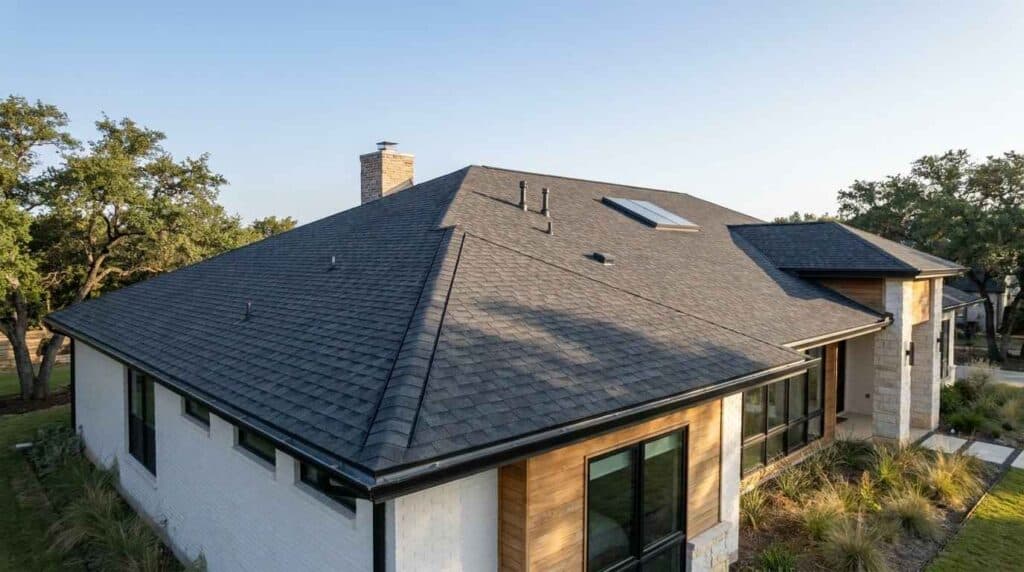
Roof Replacement Project Duration and Scheduling Factors Most residential roof replacements in Austin, TX take one to three days to complete but the actual timeline depends on roof size, material type, structural complexity, weather conditions, and contractor availability. Knowing what drives that timeline helps you plan around your schedule, avoid costly delays, and set realistic…
Most residential roof replacements in Austin, TX take one to three days to complete but the actual timeline depends on roof size, material type, structural complexity, weather conditions, and contractor availability. Knowing what drives that timeline helps you plan around your schedule, avoid costly delays, and set realistic expectations before work begins. Scheduling a roof replacement without understanding these variables often leads to surprise delays, budget overruns, and unnecessary stress for homeowners. This guide covers every major factor that affects how long your project takes, from material selection and seasonal weather to permits and crew scheduling in Austin.
For most Austin homeowners, a standard asphalt shingle replacement on a single-story home takes one to two full working days. Larger homes, steeper roofs, or more complex materials can extend that to three to five days or longer. Understanding how long a project takes starts with knowing what a full roof replacement actually involves our guide covers every stage of the process, from initial inspection through final cleanup, so you know exactly what to expect before work begins. The timeline begins before the first shingle is removed. Material ordering, permit applications, and crew scheduling all happen in the weeks leading up to installation day. From the moment you sign a contract to the moment your new roof passes final inspection, the total project window including pre-work and post-installation steps typically runs two to four weeks for most residential jobs in the Austin area.
These estimates apply to standard asphalt shingle installations with a single-layer tear-off and no significant structural repairs. Any deviation from those conditions adds time.
Day one typically covers tear-off of the existing roofing material, inspection of the decking underneath, and installation of the underlayment and any necessary decking repairs. Day two covers shingle installation, flashing around penetration points, ridge cap application, and initial cleanup. On larger or more complex roofs, a third day handles finishing details, final inspections, and debris removal.
Material choice is one of the most direct variables in your project timeline. Asphalt shingles install faster than almost any other roofing material, which is one reason they remain the most common choice for residential roofs in Austin. The material your contractor installs is one of the biggest variables in your project timeline our breakdown of roofing material options walks through the durability, cost, and installation demands of every major material type so you can match your choice to your schedule and budget.
Asphalt shingles are the fastest material to install. A standard three-tab or architectural shingle roof on a 2,000-square-foot home can typically be completed in one to two days by an experienced crew. Metal roofing whether standing seam panels or metal shingles requires more precise measurement, cutting, and fastening. The same 2,000-square-foot roof in metal typically takes three to five days, and that estimate assumes no custom fabrication is needed. The tradeoff is longevity. Metal roofs routinely last 40 to 70 years, while asphalt shingles average 20 to 30 years depending on the product grade and local climate conditions. If you are weighing a faster installation against a longer-lasting material, that decision should factor into your overall project planning.
Clay tile, concrete tile, and natural slate are the most time-intensive materials to install. These products are heavy, require reinforced decking in many cases, and demand precise placement to maintain both structural integrity and visual alignment. A tile or slate roof on a standard Austin home can take five to ten days or more, depending on roof complexity. These materials also have longer lead times for ordering, which can push your project start date back by several weeks.
Austin's climate creates specific scheduling challenges that homeowners in other regions may not face. Summer heat, spring storm season, and occasional winter freezes all affect when roofing work can safely and effectively be performed. Seasonal timing in Austin affects more than just scheduling it directly influences labor availability and pricing, and our overview of roof replacement costs in the Austin market explains how demand cycles, storm seasons, and contractor availability all factor into what you pay.
Fall September through November is generally the best window for roof replacement in Austin. Temperatures are moderate, rainfall is lower than spring averages, and contractor availability tends to be better than the post-storm rush that follows spring hail season. Spring is the busiest period for roofing contractors in Central Texas because hail and wind events drive a surge in insurance claims and emergency replacements, which compresses scheduling availability across the board. Summer is workable but demanding. Crews start early to avoid peak afternoon heat, which can slow installation pace and affect adhesive performance on certain shingle products. Winter is generally mild enough in Austin to allow roofing work, but cold snaps below 40 degrees Fahrenheit can affect shingle flexibility and adhesive bonding, which responsible contractors account for in their scheduling.
Active rain stops roofing work entirely. Wet decking cannot be covered safely, and wet shingles do not seal properly. A single rain day mid-project can push completion back by one to two days, depending on how quickly the decking dries and whether the crew can return to your job site immediately. High winds above 25 to 30 miles per hour also halt installation because shingles cannot be placed or secured safely in those conditions. Austin's spring storm season makes weather delays a realistic planning factor for any project scheduled between March and June.
A simple gable roof with a moderate pitch installs faster than almost any other configuration. As roof complexity increases more angles, steeper pitch, multiple levels, or structural damage underneath installation time increases proportionally. Contractors account for this complexity in their initial estimates, but homeowners benefit from understanding which specific factors drive those additional days.
Roof pitch the steepness of the slope directly affects how quickly a crew can work. Steeper roofs require safety equipment, slower movement, and more careful material handling. A low-slope roof (4:12 pitch or less) installs significantly faster than a steep roof (8:12 pitch or greater). If your existing roof has two or more layers of shingles, those additional layers must be torn off before new material can be installed, which adds a full day or more to the project depending on roof size. Decking condition is the biggest wildcard. Rotted, warped, or water-damaged decking boards must be replaced before installation can continue, and the extent of that damage is not always visible until tear-off is complete.
Every penetration point on a roof chimney, skylight, vent pipe, or HVAC unit requires custom flashing work. Flashing is the metal material that seals the junction between the roofing material and the penetration, and it must be installed precisely to prevent water intrusion. Each penetration adds time to the project. A roof with four or five skylights and a large chimney can add half a day to a full day of labor compared to a clean roof with only standard vent pipes.
Even when weather cooperates and your roof is structurally straightforward, contractor availability determines when your project actually starts. In Austin's active roofing market, lead times between contract signing and project start date typically run two to six weeks during normal demand periods. Before any crew can be scheduled, a thorough assessment of your existing roof is essential our roof inspection process page explains what a professional inspection covers, what red flags contractors look for, and how inspection findings shape the scope and timeline of your replacement project.
After major hail or wind events in the Austin area, contractor backlogs can stretch to eight to twelve weeks or longer. Roofing companies prioritize emergency repairs and active insurance claims during these periods, which pushes standard replacement projects further out. If your roof is not actively leaking or storm-damaged, you may have flexibility to schedule during off-peak periods which often means faster scheduling and more focused crew attention on your project.
Before committing to a contractor, ask specifically about crew size, whether they use subcontractors, and how many active jobs they are running simultaneously. A larger crew on a single job completes work faster than a small crew splitting time across multiple sites. Ask for a written project schedule that includes the estimated start date, installation days, and the process for weather delays. A contractor who cannot provide a clear schedule is a contractor who has not planned your project adequately.
Most full roof replacements in Austin require a building permit through the City of Austin Development Services Department. Permit requirements vary based on project scope a simple like-for-like shingle replacement may qualify for a simplified permit, while structural repairs or material changes may require a full review. Understanding the replacement permit process ahead of time helps you avoid the scheduling gaps that catch many homeowners off guard during an otherwise well-planned project. Permit processing times in Austin currently run three to ten business days for standard residential roofing permits, though that window can extend during high-volume periods following storm events. After installation, a final inspection must be scheduled and passed before the project is officially closed. Inspection scheduling typically adds two to five business days to the overall project timeline. Homeowners should factor permit and inspection time into their total project window not just the installation days themselves.
Preparation on the homeowner's side reduces delays and protects your property during installation. Move vehicles out of the driveway and away from the home the night before work begins roofing crews need clear access and debris falls unpredictably. Remove or cover items in the attic that could be damaged by vibration, including fragile storage, loose insulation, and anything stored directly below the roof deck. Warn neighbors about the project, particularly if shared driveways or close property lines are involved. Once your replacement is complete, protecting your investment with a consistent roof maintenance schedule is the most reliable way to extend the life of your new roof and avoid the disruption of another full replacement sooner than necessary. Confirm with your contractor that they will place protective tarps over landscaping, pool equipment, and HVAC units before tear-off begins. Ask about their debris removal process and confirm that a final site walkthrough with a magnet roller used to collect roofing nails from the yard is included in the project scope.
Roof replacement timelines in Austin depend on a combination of material choice, roof complexity, weather conditions, contractor availability, and permit processing. Most standard residential projects run one to three installation days, with a total project window of two to four weeks from contract to completion. Planning around Austin's seasonal demand cycles and understanding the structural factors that extend timelines gives homeowners a realistic picture before committing to a schedule. At Tarrytown Roofing , we walk every homeowner through a clear project timeline before work begins contact us to schedule your inspection and get a schedule built around your home and your timeline.
Most standard residential roof replacements in Austin take one to three days of active installation. The total project window, including permitting and inspection, typically runs two to four weeks from contract signing to project close.
Fall September through November is generally the best time for roof replacement in Austin. Temperatures are moderate, rainfall is lower, and contractor availability is better than during the spring storm season rush.
Yes. Steeper roofs require more safety equipment and slower crew movement, which extends installation time. A steep roof (8:12 pitch or greater) can take 30 to 50 percent longer to install than a low-slope roof of the same square footage.
Standard residential roofing permits through the City of Austin typically process in three to ten business days. High-demand periods following storm events can extend that window. Final inspection scheduling adds another two to five business days after installation is complete.
Yes. Removing a second layer of existing shingles adds a full day or more to the project, depending on roof size. Contractors are required to remove all existing layers before installing new roofing material in most cases.
A single rain day mid-project can push completion back by one to two days, depending on drying time and crew availability. Austin's spring storm season makes weather delays a realistic planning factor for projects scheduled between March and June.
Ask about crew size, whether subcontractors are used, how many jobs are running simultaneously, and whether you will receive a written project schedule. A clear schedule with defined start dates, installation days, and a weather delay policy is a sign of a well-organized contractor.
Related

Blog
Underlayment Systems for New Roof Installations
Underlayment Systems for New Roof Installations Roofing underlayment is the protective layer installed directly on your roof deck beneath the shingles and choosing the right system is one of the most important decisions in any new roof installation. Most homeowners focus on shingle color or material, but underlayment is what stands between your home and…
Blog
Warranty Coverage for Roof Replacement Materials and Labor
Warranty Coverage for Roof Replacement Materials and Labor Most roof replacement warranties split into two separate coverages: one from the manufacturer protecting the materials, and one from your contractor protecting the installation work. Knowing what each covers, how long each lasts, and what can void them is essential before you sign any roofing contract. When…
Blog
Signs That a Roof Needs Full Replacement Rather Than Repair
Signs That a Roof Needs Full Replacement Rather Than Repair Not every roofing problem can be fixed with a patch. When damage is widespread, structural, or tied to a roof that has simply reached the end of its service life, repairs become a short-term solution to a long-term problem and the costs add up fast….
Ready for the next step?
Free inspection, real answers, no pressure.